Before You Say Yes to Any Restaurant or Caterer

Restaurant Hiring Red Flags You Should Not Ignore

Whether you are booking a simple group dinner or full-service catering, a few early warning signs can tell you a lot about how the meal or event will go. This guide walks through common red flags customers overlook—and what to do about them—so you can hire a restaurant provider with clear expectations instead of crossed wires.

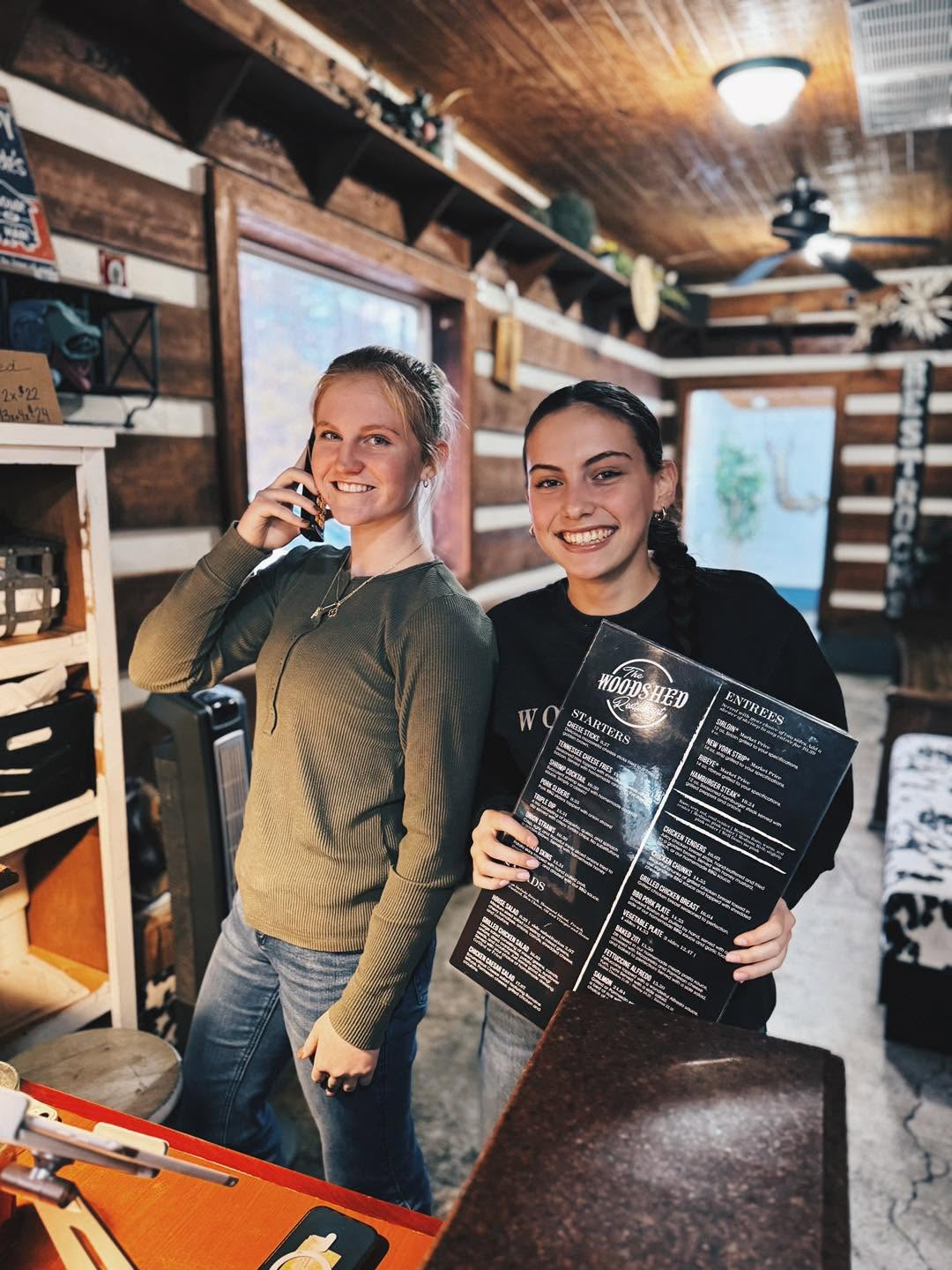
Woodshed staff members with a restaurant menu
The short answer

What matters most

Common red flags when hiring a restaurant or catering provider include a vague or shifting scope of service, little or no proof they have handled similar meals or events, high-pressure tactics to decide quickly, unrealistic promises that ignore your budget or logistics, unclear division of responsibilities, incomplete or confusing pricing, and no explained process for handling changes or problems. If you notice several of these warning signs together, pause and ask direct questions in writing before you commit, or consider other providers who communicate more clearly.

Vague scope, shifting promises, and missing written details are among the biggest red flags when hiring a restaurant or catering provider.
Weak or unrelated proof of experience increases your risk, especially for larger or more complex events such as weddings or corporate gatherings.
High-pressure tactics and resistance to written proposals often signal deeper communication or reliability issues down the road.
In and around Newport, it is important to understand how travel distance, timing, and multi-event days affect what a provider can realistically do.
Use red flags as prompts for precise questions; a strong provider will welcome the chance to clarify, while a weak one may resist or deflect.
The Woodshed team ready to help with catering
A useful way to think about it

A Clear Guide to Restaurant and Catering Red Flags

Most people focus on the menu and the date. The bigger risks hide in the fine print, side comments, and what never gets written down. Use this section to understand what each red flag looks like in real life and what you can ask in response.

1. Vague scope and fuzzy promises

A strong restaurant or catering agreement spells out what is actually being provided. Trouble starts when the scope is cloudy. You might hear phrases like “We will take care of everything” without any detail, or receive a one-line estimate that just says “Food for 75” with no menu, service style, or timing. Ask for specifics in writing: which dishes are included, how they will be served, what time setup starts, and what teardown involves. If answers keep changing or never get written down, that is a red flag. A provider who cannot describe the work they will do is more likely to overlook key pieces, show up underprepared, or expect you to handle last-minute details yourself.

2. Missing or weak proof of experience

Every provider starts somewhere, but for important gatherings—weddings, reunions, corporate events—you should be able to see proof they have successfully handled something similar. Red flags include vague claims of experience without examples, no recent reviews, or references that do not match the size or type of your event. Reasonable proof can take many forms: public reviews, photos, sample menus from past events, or clear stories about how they managed timing and logistics. If a provider deflects when you ask for any kind of proof, or only offers general praise unrelated to your needs, pause. That does not prove they are unreliable, but it does mean you will carry more risk and may need tighter written expectations before you book.

3. High-pressure sales and rushed decisions

Needing a prompt answer for a busy date is normal. Pressure that leaves you with no time to read or compare is not. Be cautious if someone pushes you to pay a deposit “today only,” will not send anything in writing until you commit, or dismisses your questions as unnecessary. A confident restaurant or caterer can explain why a date is in demand, outline what happens if you wait, and still give you space to think and review documents. If your gut says you are being rushed past the details, listen to that. Ask to see a sample agreement or proposal before you pay anything. If they refuse or become defensive, that behavior is itself a useful piece of information about how future conversations may go.

Decision guide

How to Respond if You Spot Red Flags

Seeing one concern does not mean you must walk away. It does mean you should slow down and get clarity. These decision-focused sections show how to weigh what you are seeing, what to ask next, and how to decide whether to move forward or keep looking.

Turn red flags into questions, not arguments

Spotting a red flag does not require a confrontation. It calls for precise questions. Turn general concerns into concrete requests, such as, “Can you send a written outline of what is included in this quote?” or “Who will be on-site at my event, and when will they arrive?” If the provider responds by clarifying, adjusting, or putting things in writing, you have reduced your risk and learned something about their professionalism. If they dodge, contradict themselves, or make you feel unreasonable for asking, that pattern matters more than the original red flag. Your decision is not just about the food; it is about whether you can solve problems together if something changes.

Balancing risk, budget, and how much the event matters

Not every meal carries the same weight. A casual lunch for a small group may not need the same level of proof and documentation as a once-in-a-lifetime wedding reception. As you weigh red flags, think about how much is at stake if things go wrong. For lower-stakes gatherings, you might accept some uncertainty if the price and convenience are right, while still getting key details in writing. For milestone events or business functions, treat repeated red flags as a sign to keep looking, even if a quote seems attractive. Build in time to compare at least two providers so you can see whose answers feel complete and whose leave you with more questions than you had when you started.

What a healthier provider conversation feels like

A more reliable restaurant or caterer will usually welcome your questions. They explain what they can do and what they cannot, tell you where they need more information, and acknowledge tradeoffs between menu, budget, and timing. The tone feels collaborative rather than defensive. You should come away with a clearer picture after each conversation, not more confused. Look for providers who volunteer details about logistics, staffing, and next steps instead of making you drag each answer out. If you leave the discussion with fewer worries, not just a lower price, that is a strong sign you are moving toward an arrangement that can handle real-world bumps on the road to your event.

How The Woodshed fits into these decisions

The Woodshed Restaurant & Catering in Newport focuses on generous local favorites in the restaurant and dependable catering for weddings, private events, and corporate or community gatherings in Newport and the surrounding Gatlinburg and Pigeon Forge area. Use the same red-flag checklist with them that you would apply anywhere else. Ask how they approach travel to your venue, what past events resemble yours, and how communication works from booking to event day. Their answers will help you see how their strengths line up with what you need.

Evidence and expectations

Examples of Healthier Restaurant Relationships

While this page focuses on what can go wrong, it also helps to see what stronger signals can look like in practice. This section uses verified information about a Newport restaurant and catering team to illustrate concrete signs that a provider may be easier to work with.

Years of service and community ties

One sign that can reduce risk for many customers is staying power. The Woodshed Restaurant & Catering notes that it has been serving East Tennessee since 2016 and had reached its ten-year mark at the time its About Us information was written. They also highlight that many front-of-house team members are high school or college students or teachers, and that former staff have moved into careers such as nursing, radiography, maintenance, utility work, and education. Several team members have even met spouses while working there and now have what they describe as “Woodshed grandbabies.” This emphasis on people development and long-term connection shows a deeper investment in staff and community.

A detailed 5-star guest review

Customer reviews are one of the few public signals you can check on your own. A 5-star Google review highlighted in the available evidence comes from a guest who was not local and initially had trouble locating the restaurant entrance. A staff member directed them up the hill to the restaurant. The guest described everything as delicious and well seasoned, and said dessert topped off the meal. They ended by saying they would be back when they are in the area. Any single review is just one experience, but specific details like staff helping a confused guest and someone planning to return can offer clues about how a provider treats visitors and handles small problems.

Clear basic information and ways to connect

Another practical signal is how easy it is to find basic information about a provider. The Woodshed publishes its address at 2593 Cosby Highway in Newport, Tennessee, its main phone number, and posted restaurant hours. Their site also lists links where you can learn about the business, view the menu, book an event, and contact the team. That level of visible structure does not describe every aspect of their catering process, but it does mean you are not guessing about how to get in touch or whether the restaurant is open. As you evaluate any provider, favor those who make it simple to find hours, directions, and a direct way to start a booking conversation.

The Woodshed team serving generous catered meals
Main website image
Local context · Newport, TN

Local Watchpoints Around Newport and Nearby Communities

Guests planning meals or events around Newport and nearby areas such as Gatlinburg, Pigeon Forge, Sevierville, Cosby, and surrounding mountain communities face a few extra moving parts. Travel distance, changing road and weather conditions, and the mix of in-town and out-of-town guests can strain even a solid restaurant provider if expectations are not clear. If your venue is outside Newport, ask specific questions about drive times from the restaurant to your location, whether the provider has served events there before, and how they plan arrival and setup so food is ready when guests expect it. Ask what happens if traffic, weather, or a road issue slows the team down. For busier dates and weekends, ask how many events or large groups they typically handle in a single day and whether the same kitchen or staff are responsible for both the restaurant and off-site catering. If you are booking from out of town, request written confirmation of scope, timing, and service area rather than relying only on a quick phone call. The more travel and coordination involved, the more any small red flag in communication can grow into a larger problem on the day of your meal or event.

Questions worth asking

Restaurant Hiring Red Flags: Common Questions

As people plan dinners, weddings, reunions, and work events, a few questions about risk come up again and again. These answers cover issues that have not yet been explained elsewhere on the page and give you concrete steps you can take before you sign or pay.

Is it a red flag if a restaurant or caterer will not give me a written proposal?

Yes, hesitation around putting details in writing is a serious concern. Even a simple group dinner or basic catering order can benefit from a short written summary covering date, time, guest count, menu, service style, responsibilities, and how cost is calculated. If a provider says they never use written proposals, or insists that a verbal agreement is enough, you lose a key reference point if memories differ later. You can lower friction by offering to start the draft yourself based on what you discussed and asking them to confirm or correct it. If they still avoid committing anything to writing, consider that a strong sign to keep looking, especially for larger or more important events.

What restaurant hiring red flags matter most for weddings?

For weddings, timelines are tight and emotions are high, so certain red flags carry extra weight. Pay close attention to shifting promises about setup and serving times, unclear responsibilities for linens, tableware, and cleanup, and a lack of specific experience with events your size. Also watch for providers who do not ask detailed questions about your venue, power access, or coordination with other vendors. You should be able to see a written outline of the wedding-day schedule, including when staff arrive, when food is ready, and how they will handle delays in the ceremony or photos. If a provider brushes off these details with “We always figure it out,” tread carefully, because weddings leave little room for improvisation.

Are low prices always a red flag when hiring a caterer?

A lower quote is not automatically a problem, but you should understand how it was reached. Sometimes a restaurant or caterer can charge less because they use familiar menus, efficient preparation, or work close to their home base. Other times, a low bid hides smaller portions, fewer staff, extra travel fees, or add-ons that will appear later. Instead of focusing on the number alone, compare what is included: menu variety, portion sizes, service style, staff count, travel, and cleanup. Ask each provider to explain what tradeoffs were made to reach their price. A trustworthy team will be able to describe, in plain language, how they balanced quality, quantity, and cost.

How can I spot communication red flags before booking from out of town?

If you are planning an event near Newport or nearby communities while living elsewhere, pay close attention to early communication patterns. Do emails receive clear replies, or just one-line answers? Does the provider respond within the timeframe they mention? Are phone calls returned at all? Ask for one main point of contact and a simple outline of next steps. Request that key details—date, time, venue, estimated guest count—be repeated back to you in writing to confirm. If communication is scattered or inconsistent before you pay a deposit, it is unlikely to be smoother closer to your event date.

What should I do if I have already booked and now see red flags?

If you have already signed or paid a deposit and start to notice troubling signs, act early and in writing. Calmly restate what was agreed upon and ask the provider to confirm key points, such as timing, headcount, menu, and staffing. If there are gaps or contradictions, address them now instead of waiting until the week of the event. Keep all communication organized and ask for updated documents if changes are made. If the provider responds constructively, you may be able to get the event back on solid ground. If they become unreachable or repeatedly break small commitments, you may need to explore backup options for critical parts of your event, such as dessert, beverages, or a simpler food plan that another provider can take on.
Your next step

Ready for Clear Answers About Your Meal or Event?

If you are planning a sit-down meal in Newport or a catered event around East Tennessee and want clear expectations instead of hidden surprises, reach out to The Woodshed Restaurant & Catering. You can browse the current menu, call the Cosby Highway location during posted hours, or use the online booking and contact forms to share your date, guest count, and location. From there, the Newport team can explain what they can realistically do for your gathering and what that would involve, so you can compare options with more confidence.

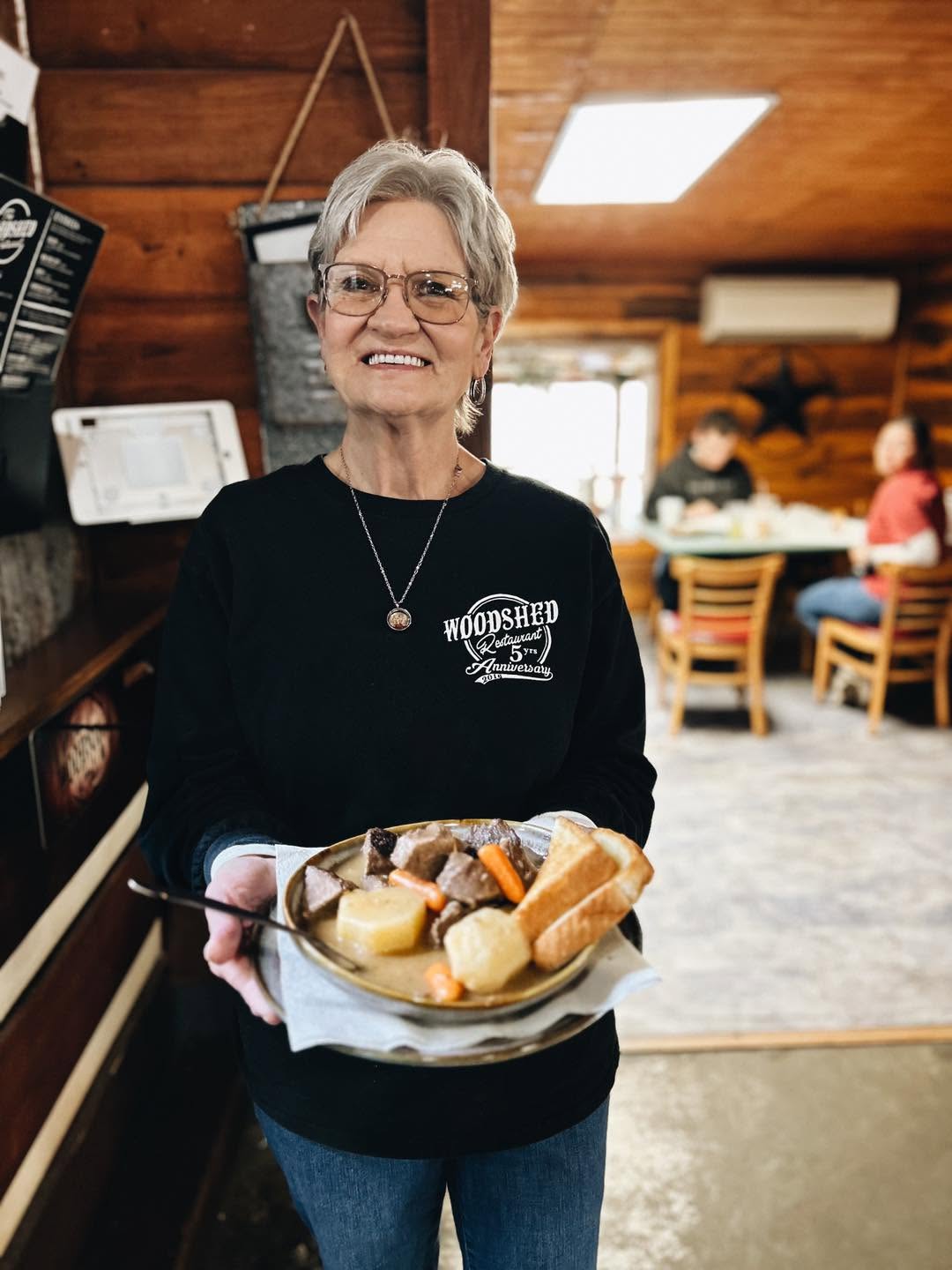
Woodshed staff member providing warm hospitality