Timing Your Next Meal Out

How Early to Plan a Restaurant Meal in Newport

Whether you are grabbing dinner on the way to the Smokies or organizing a birthday meal for twelve, timing your restaurant plans can feel like a guessing game. This guide walks through realistic planning windows, what to lock in early, and which details can wait so you arrive confident instead of rushed.

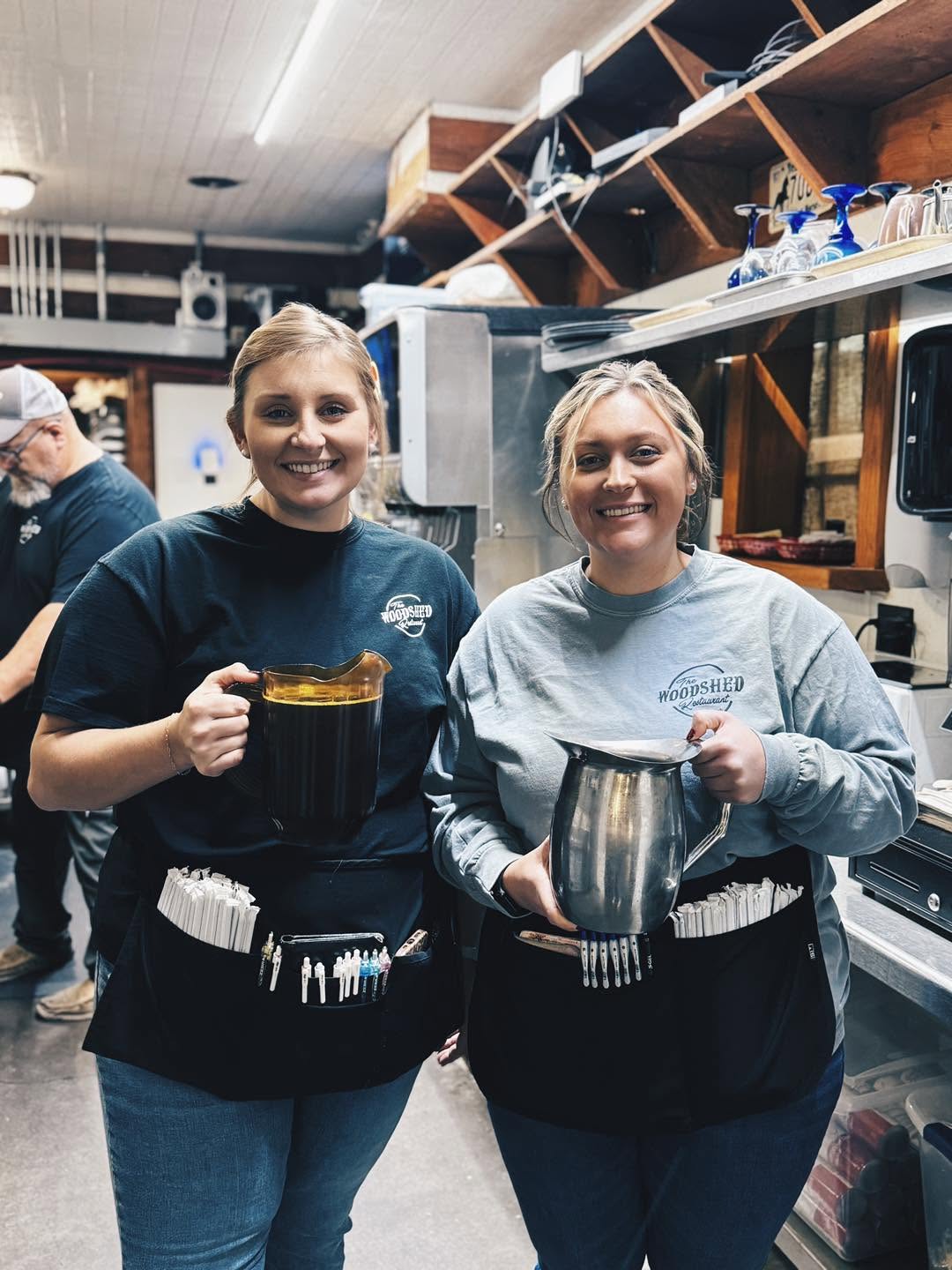
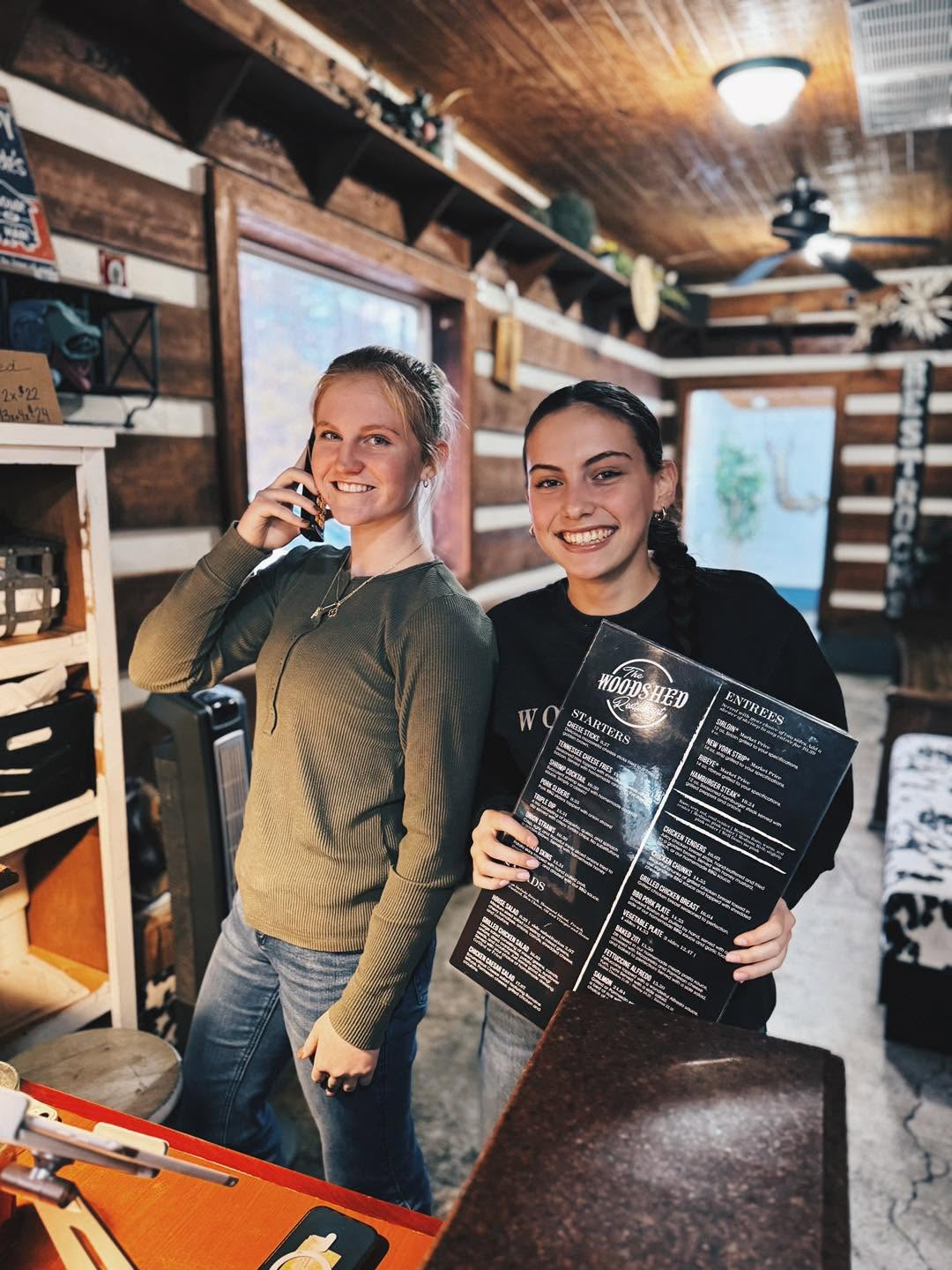
Woodshed staff members with a restaurant menu
The short answer

What matters most

Start planning restaurant dining early enough to confirm that the restaurant is open when you hope to visit, that they can seat your group, and that any special needs or requests are clear. For a typical meal with a small group, this may be as simple as checking hours and asking about wait times the day you plan to come. For larger parties, special occasions, or meals tied to travel plans around Newport and the Smokies, begin several days or more in advance so you can choose a time, share a headcount, and leave room to adjust if anything changes.

Match your planning timeline to the kind of meal you are having, from casual weeknight dinners to celebrations and travel‑day stops.
Same‑day planning can work for small, flexible groups, but special occasions, larger parties, and time‑sensitive travel around Newport call for several days or more of lead time.
When you reach out, share practical details like date, general time frame, headcount, and any specific needs so the restaurant can respond with clear, realistic guidance.
Newport’s location near Gatlinburg, Pigeon Forge, Cosby, Sevierville, and the Smokies means travel plans and traffic patterns should factor into when you schedule your meal.
Staying in touch as headcounts or schedules change helps you and the restaurant adjust smoothly, turning a rough idea into a relaxed, well‑timed visit.
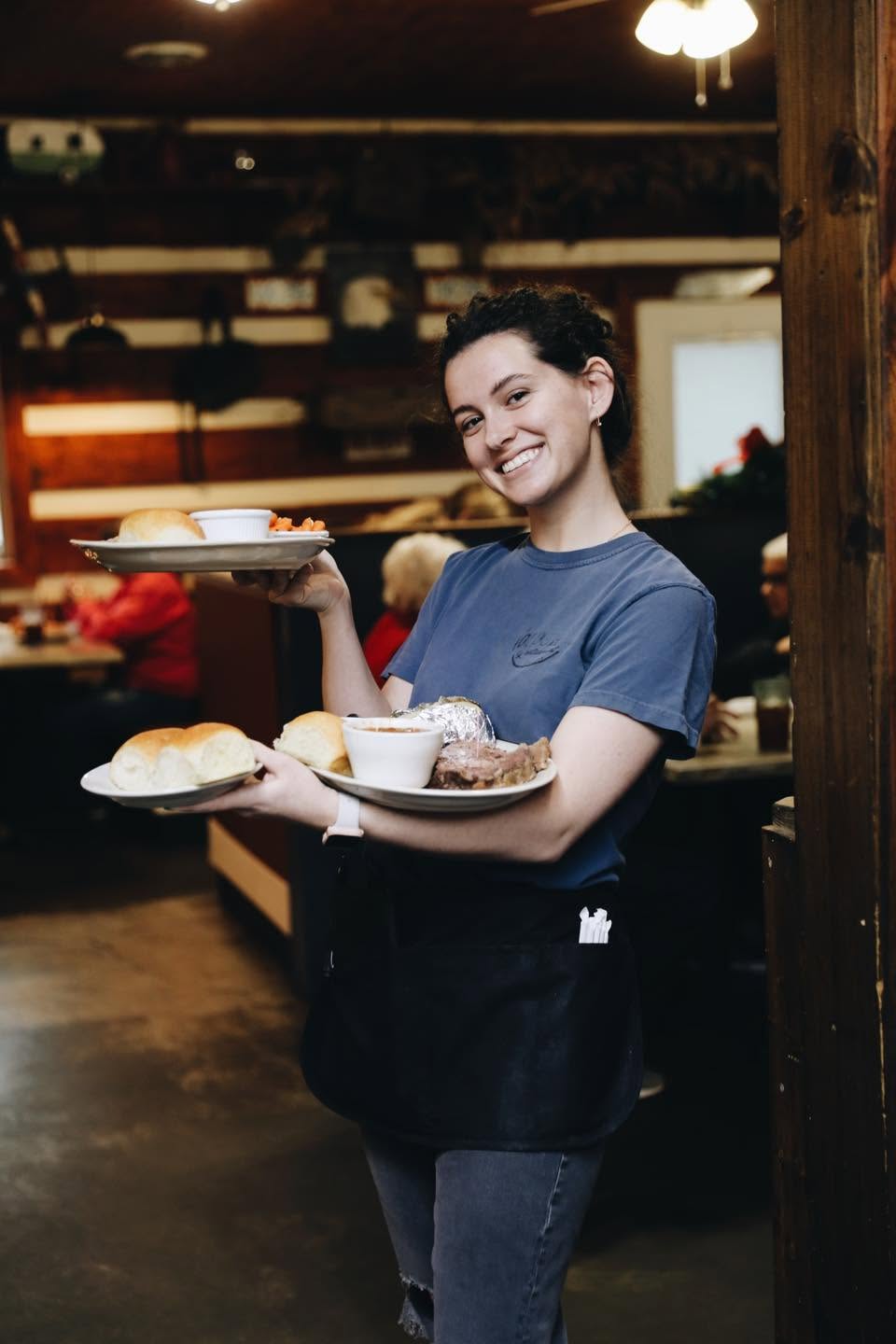
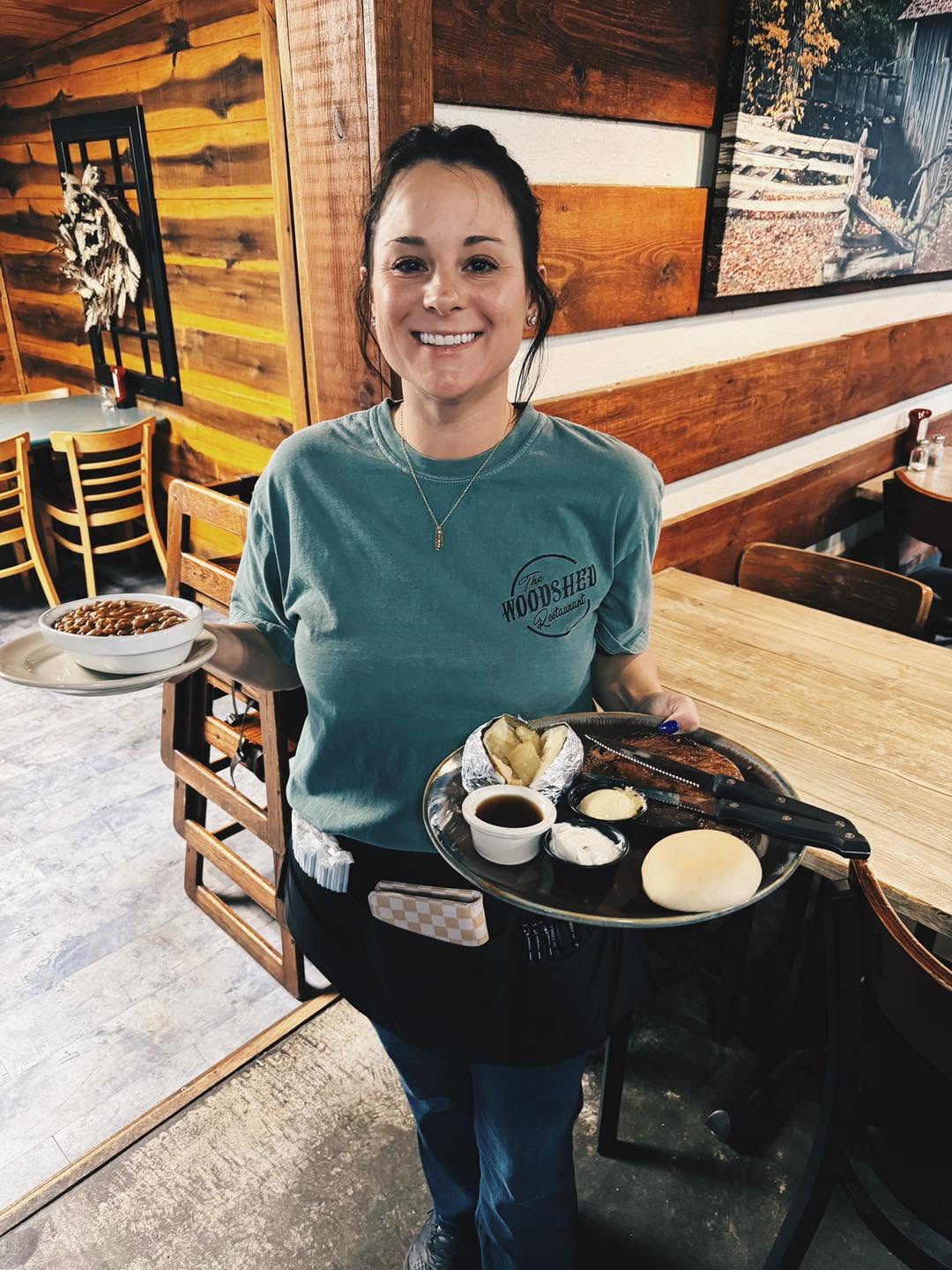
Woodshed server carrying two meals
A useful way to think about it

A Practical Timeline for Planning Restaurant Dining

Planning restaurant dining is easier when you match your timing to the kind of meal you are picturing. A casual Thursday dinner, a small celebration, and a stop on the way to the Smokies each call for a different lead time and level of detail. Use this section to decide roughly how early to start based on what your visit looks like.

Start by naming the kind of meal you want

Before you circle dates on a calendar, get specific about what this restaurant visit is for. A casual weeknight dinner for two, a small birthday gathering, and a meal on the way to or from the Smokies all place different demands on timing. Everyday dinners tend to be more flexible; you mainly need to be sure the restaurant is open and that you have a reasonable sense of when you will arrive. A visit that doubles as a celebration or a travel stop deserves more lead time so you can choose a window that makes sense and think through how long you will want to be at the table.

Same‑day planning for simple, flexible meals

For a typical visit with a small, flexible group, planning can often happen the same day. Look up the restaurant’s current hours and decide roughly when you would like to eat. If you are not familiar with the area, or if your evening has other commitments, call ahead to ask what the timing usually feels like for that kind of night and group size. Be ready to share how many people you expect and when you realistically think you can arrive. That quick check can help you avoid showing up just as the room fills or discovering that a particular day’s hours are different from what you assumed.

Planning several days ahead for small celebrations

If you are marking a birthday, graduation, or reunion meal at a restaurant, move your planning earlier. Starting a few days to a week ahead gives you time to pick a date, confirm that the restaurant is open then, and ask how they usually handle groups of your size. You can also mention preferences that matter to your guests, such as wanting to sit together, needing easy parking, or hoping to enjoy certain kinds of dishes. Reaching out with that information early gives the team time to respond with what is realistic and to let you know if certain evenings are likely to be especially busy.

Decision guide

Turning Your Timeline into Clear Next Steps

Once you know how early to plan, the next step is turning that timing into simple actions. This section focuses on what to say when you reach out, what information to gather from your group, and how to adjust if your plans shift before the meal.

Work backward from your must‑keep times

Instead of beginning with a vague sense that you should call “soon,” start with anything that cannot move. You may have to be on the road toward Gatlinburg or Pigeon Forge by a certain hour, meet up with family in Newport at a set time, or coordinate with guests driving in from Cosby or Sevierville. Once you know the time you need to be finished eating or ready to meet others, work backward to pick your ideal arrival window. From there, decide how many days in advance you should contact the restaurant, leaving more lead time for weekends, holidays, or larger groups.

What to share when you reach out

When you call or message a restaurant to firm up your plans, a few details help them give you clear guidance. Share the date you are considering, a general time frame rather than a single exact minute, and your best estimate of how many people may come. Mention anything that affects logistics, such as guests who may need easier access or a desire to keep the visit within a certain length of time. Then ask what is reasonable for that night and what they recommend. This turns a rough idea into a plan you and the restaurant both understand.

Adjusting when headcounts or timing change

Even with thoughtful planning, group size and schedules shift. If a few extra people join, someone backs out, or your travel time changes, treat those as signals to update your plan rather than to start over from scratch. As soon as you see the change, decide whether it affects your arrival time or just your headcount, then contact the restaurant to let them know. Giving an updated range for your group size or a slightly adjusted arrival window helps the team prepare and reduces stress when you walk in the door.

Knowing when a larger gathering needs earlier planning

As your group grows or your schedule becomes more fixed, you may reach a point where you need to plan further ahead than you would for a normal table visit. If you are inviting a large number of guests, are tied to a very specific time, or want a more structured experience, treat the meal more like an event and begin conversations earlier. Ask the restaurant what options they have for handling bigger groups, and be ready to talk through dates, timing, and how you picture the visit unfolding so you can decide together what makes sense.

Evidence and expectations

Why Planning Ahead Fits How This Newport Restaurant Operates

The Woodshed Restaurant & Catering has served Newport and nearby Smokies communities for years, welcoming both regulars and travelers. Their experience as a local favorite with a busy restaurant and active catering calendar shows how a little advance planning can make your visit smoother.

Serving Newport and Smokies guests for years

The Woodshed Restaurant & Catering has been serving East Tennessee since 2016 and, as of the About Us page publication, notes ten years in business. From its Newport location on Cosby Highway, the team hosts in‑restaurant diners and caters weddings, private celebrations, and corporate or community events for guests from Newport and the surrounding Gatlinburg and Pigeon Forge area. That mix of regular meal service and event work means they are accustomed to coordinating plans with both local residents and travelers heading to or from the Smokies.

A local favorite with generous, hearty meals

The Woodshed is described as a local favorite restaurant and catering spot in Newport, Tennessee, known for generous local favorites served in‑house and for dependable catering. Their menu ranges from steaks and seafood to burgers and hand‑pulled BBQ pork, with something for the whole table. Many guests stop in for a sit‑down meal in Newport, while others connect with the team to serve food at weddings, private parties, and organizational events across the area.

A team culture built on long‑term connections

Over a decade of operation, The Woodshed notes that many front‑of‑house team members have been high school or college students or teachers, reflecting a purpose of empowering youth and supporting educators. Some past team members have gone on to work as nurses, radiography technicians, nurse practitioners, maintenance workers, utility workers, and teachers. The restaurant describes its staff as family and shares that several former team members met their spouses while working together, with multiple “Woodshed grandbabies” now in the mix. That kind of continuity and connection underlines the emphasis they place on looking after the people who walk through their doors.

Woodshed server carrying two meals
Main website image
Local context · Newport, TN

Planning Restaurant Dining Around Newport and the Smokies

Newport sits on Cosby Highway, right up the road from Gatlinburg, Pigeon Forge, Cosby, Sevierville, and the Smokies. That location shapes how you plan a meal. Some diners are local regulars, while others are traveling to cabins, attractions, or events in nearby mountain communities. If you are timing a meal around check-in at a cabin, a show, or a drive through the mountains, give yourself extra space for traffic, weather, or slow stretches of road. Think about your route to Newport—whether you are coming in from Sevierville, Cosby, or the interstate—and work backward from the time you need to be at your next stop. When a schedule matters, contact the Newport restaurant you choose ahead of time and ask when you should arrive to eat without rushing. Local guests can often use their sense of town rhythms to pick a good time; visitors can get similar insight by calling and asking how busy a particular day or evening usually feels.

Questions worth asking

Questions About Planning Restaurant Dining

As people map out when to eat and how early to start planning, a few detailed questions tend to come up. These answers build on the main guidance and address edge cases so you can fine‑tune your timeline.

How far ahead should I plan a regular weeknight dinner?

For a typical weeknight visit with a small group, planning on the same day often works well. Check the restaurant’s current hours, think about when you prefer to eat, and consider whether you have any firm commitments afterward. If staying on schedule matters or you are unfamiliar with the area, call earlier in the day to ask how busy they expect to be and whether there is anything to know about your chosen time. Having a rough headcount ready helps them respond with advice that fits your situation.

What if my group size might change before we dine?

Group numbers commonly shift as plans come together. When you first reach out, share your best estimate and, if helpful, a realistic range rather than a single fixed number. Ask how much variation the restaurant can comfortably handle. Then set a simple check‑in point with your guests before the meal so you can give the restaurant an updated count. The aim is not to predict perfectly, but to keep the team from being surprised by a group that is much larger or smaller than they expected.

Do I need to plan differently if I am traveling through Newport?

Travel adds extra moving parts, especially around the Smokies. If Newport is a stop on the way to or from Gatlinburg, Pigeon Forge, Cosby, Sevierville, or nearby mountain communities, build in time for driving, possible traffic, and any check‑in or event times that follow your meal. Start planning earlier than you would for a simple local dinner, and touch base with the restaurant about typical busier windows on the day you expect to pass through. Leaving a buffer in your schedule helps you enjoy your meal without watching the clock.

How much extra time should I allow for older guests or young kids?

Meals that include young children or older adults usually benefit from both gentler timing and quieter windows. Consider aiming for earlier dinners, when people are less tired and rooms can feel calmer. When you contact the restaurant, mention strollers, high chairs, walkers, or a preference for seating that is easier to reach. Even a brief heads‑up a day or two ahead gives the team a chance to suggest a time and seating approach that will be more comfortable for everyone.

Can I plan ahead and still stay flexible?

You do not have to lock in every detail to benefit from planning. Focus on a few anchor points: the date, a general time frame, an approximate headcount, and any needs that could affect seating or timing. Share those with the restaurant and ask which pieces they need to be firm and which can stay flexible. For many visits, you can settle on an evening window instead of a precise minute or a range for your group size rather than a fixed count, which lets you adapt while still giving the restaurant enough clarity to prepare.

Your next step

Ready to Map Out Your Meal?

Take a minute now to sketch the basics of your visit: the date you have in mind, a general time frame, how many people may come, and whether your meal has to fit around travel or a special occasion. Then use the contact details or booking options on the restaurant’s site to compare your plan with their current hours and schedule. If you are considering The Woodshed in Newport, you can review the menu, reach out with questions, and confirm what works before you drive to Cosby Highway. A brief conversation or message now can spare you from last‑minute decisions in the parking lot later.

Woodshed server carrying two meals