Planning a meal for a crowd

Choosing the Right Catering Options

You know you need food for a gathering, but beyond that, the choices feel overwhelming. Buffet or plated meals? Restaurant pick‑up or full‑service catering? Local restaurant or another provider? This guide breaks down how to compare catering options in a clear, practical way so you end up with food that fits your event, your guests, and your stress level.

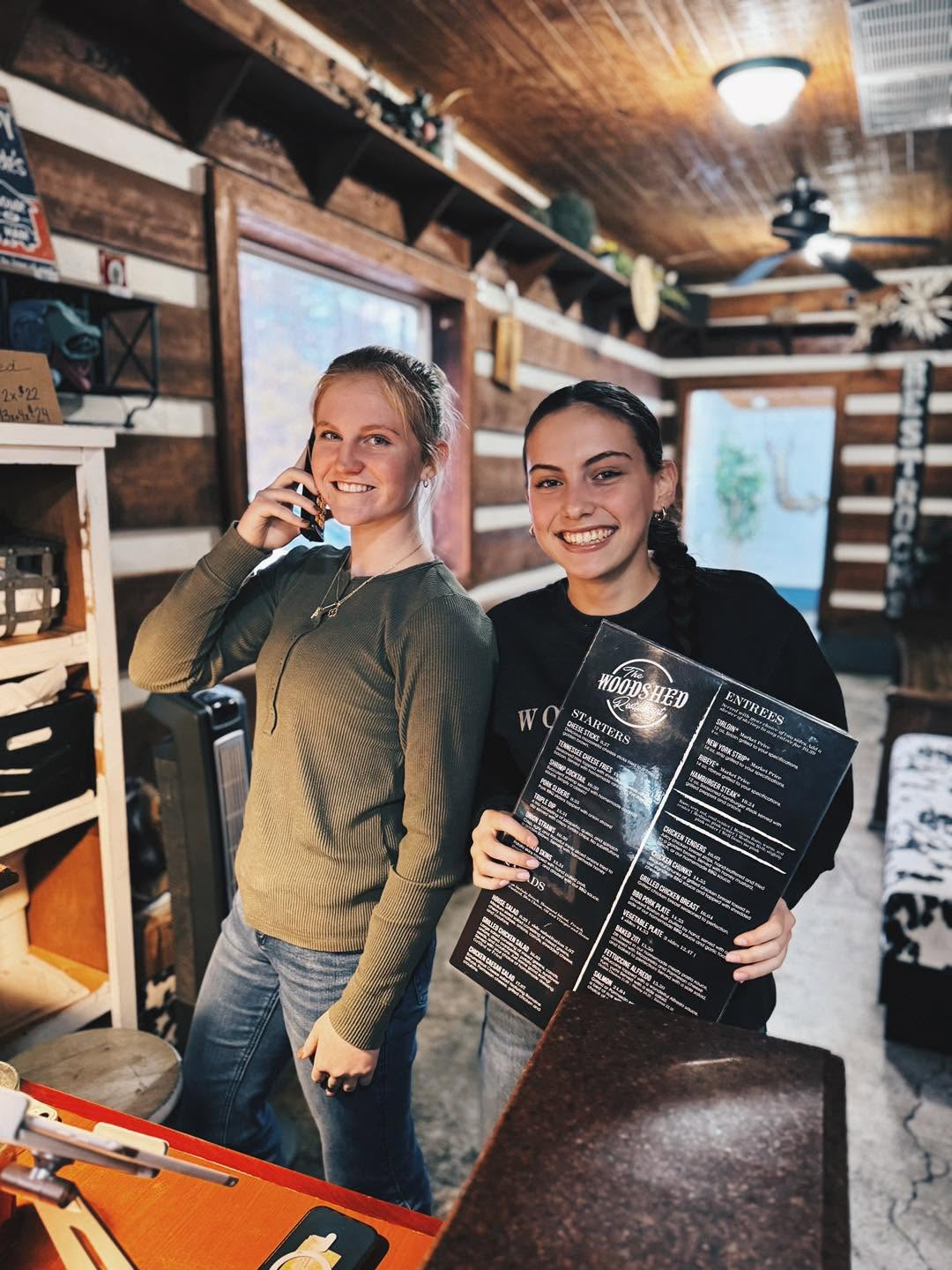
Woodshed staff members with a restaurant menu
The short answer

What matters most

To choose between catering options, first define what you need the food to accomplish: the purpose of the event, the guest experience you want, and any must‑have dishes or dietary needs. Then pin down the basics: date and time, location, and an estimated headcount so you know the quantity of food required. With that in place, compare providers on a few key factors: whether they regularly serve your type of event, what service style they offer, how their availability and timing match your schedule, which features are included in their proposal, and how the total price fits your budget. Finally, use reviews and your conversations with each provider to judge reliability and how confident you feel about the outcome they can deliver for your specific gathering.

Define the purpose, feel, and guest experience you want before comparing caterers or menus.
Use your guest count, venue layout, and preferred service style to narrow down realistic catering options.
Compare proposals based on what is included, not just the final number, and make sure they fit your budget boundaries.
Availability, communication, and flexibility with timing and dietary needs are as important as the menu itself.
In the Newport and Smokies region, factoring in where a caterer is based and where they regularly serve helps you choose an option that can reliably reach your event.
The Woodshed team ready to help with catering
A useful way to think about it

A clear framework for comparing catering options

Instead of starting with menus and getting lost in dish-by-dish choices, start with a framework. The more specific you are about what you need a caterer to solve, the easier it is to see which option actually fits. Use these steps to turn a vague idea of “getting food” into a concrete plan that works in real life.

Start with the purpose and feel of your event

Before you compare menus or prices, decide what kind of experience you are trying to create. A wedding reception, a milestone birthday, a work training, and a community fundraiser all call for different styles of food and service. Ask yourself whether this is formal or casual, seated or mostly mingling, short and focused or an all‑evening gathering. Decide whether you picture guests grabbing plates from a buffet, being served at their tables, or enjoying heavier appetizers while they socialize. Once you define the feel, you can quickly rule out options that do not match and focus on providers who clearly understand events like yours.
Match the catering approach to your guest count and space

Guest count and venue layout quietly shape almost every catering decision. A small dinner at home might work with platters picked up from a restaurant. A larger wedding or company event at a venue with limited kitchen space usually needs a caterer equipped for off‑site service, with enough staff and equipment to keep things running smoothly. Estimate how many adults, kids, and people with special dietary needs you expect. Then look at your space and picture where food will be set up, where lines might form, and how dishes will be cleared. Ask each caterer how they would handle your specific numbers and layout, including whether they provide serving staff, disposable supplies, or other essentials.

Choose a service style that fits how people will eat

Service style affects cost, pacing, and how comfortable guests feel. Buffets and stations usually allow guests to choose portions and return for seconds, which can work well for familiar, hearty menus. Plated meals can feel more formal but may require more staff. Self‑serve platters or drop‑off catering can reduce labor fees but put more setup and cleanup on you or your volunteers. As you compare options, ask which service styles each provider offers for your kind of event and what they recommend for your timeframe, venue, and guest mix.

Decision guide

Turning your short list into a confident choice

Once you have a few promising caterers or restaurant options in mind, your goal shifts from collecting ideas to confirming details. These decision checkpoints help you move from “maybe” to a clear yes or no with each provider.

Clarify availability, timing, and day‑of schedule

Reliability sits at the center of any good catering choice. For each provider on your list, confirm whether your date and time are open and whether they expect to serve any other events that same day. Ask when they would arrive to set up, how long they plan to serve, and when they expect to finish packing up. Pay attention to how clearly they explain their process for final headcounts and timing changes. A team that handles these questions in detail before you book is more likely to stay organized as your event approaches.

Compare what is included, not just the total price

Because many caterers provide custom quotes, you may not see a public price list. When proposals arrive, read beyond the total. Check what is covered: food only, or also delivery, setup, serving staff, drinks, desserts, and disposables. See whether gratuities or service charges are listed and whether there are extra fees for travel to your location. If one quote is significantly lower, check whether it also includes less, such as fewer choices, smaller quantities, or less support. Use your budget as a boundary, but weigh it against what you receive and how much work will still fall on you or your team.

Ask how they handle dietary needs and last‑minute shifts

Even with careful planning, guest lists change and special dietary needs surface late in the process. Before you commit, ask how each provider manages vegetarian, vegan, gluten‑free, and allergy‑friendly meals. Do they label dishes clearly or prepare separate plates if needed. Also ask about their policy for headcount adjustments in the final week and what happens if your event start time shifts. Specific, honest answers give you a clearer picture of how they respond when plans evolve.

Look for a partner, not just a food provider

The most useful catering relationships feel collaborative. As you speak with providers, notice who listens carefully, asks follow‑up questions, and offers suggestions that fit your event rather than forcing a standard package. Restaurant-based caterers such as The Woodshed in Newport combine experience from in‑house dining with off‑site catering for weddings, private events, and corporate or community gatherings across the Gatlinburg and Pigeon Forge area. That mix can help you think through pacing, quantities, and what guests in this region tend to enjoy. You want someone who seems invested in your guests having a good experience, not just in dropping off trays and leaving.

Evidence and expectations

How to use real‑world proof in your catering decision

Comments from past guests and the way a business describes itself can give you useful clues, as long as you read them with your own event in mind. Here is how to use real‑world proof as one part of your decision instead of the whole story.

Reviews that highlight consistency and staff quality

Real reviews can reveal how a business performs when it is simply serving guests. One guest described The Woodshed as a “great place” with “great prices” and “exceptional staff,” calling it a perfect halfway point between home and family in Kentucky. Another five‑star review from a visitor noted that “everything was delicious,” “very well seasoned,” and that dessert “topped it off,” with plans to return when they are in the area. Comments like these suggest consistent food quality and friendly service, which matter just as much at a catered event as in the dining room. When you read reviews for any caterer, look for patterns over time rather than focusing only on a single comment.

Evidence of long‑term local roots and community ties

Longevity and community connection can be meaningful signals when you are trusting someone with an important gathering. The Woodshed notes that it has been serving East Tennessee since 2016 and that it has been in business for ten years as of the publication of its About Us page. The owners describe the restaurant as a local favorite in Newport and refer to their staff as family, with some former team members now working as registered nurses, radiography techs, nurse practitioners, maintenance workers, utility workers, and teachers. Several met their spouses while working there, and there are now multiple “Woodshed grandbabies.” This kind of continuity points to a stable operation and a commitment to the people and places they serve. When evaluating any caterer, ask how long they have served your area and what kinds of events and organizations they regularly support.

Use proof to narrow your list, then return to your needs

Even strong reviews and heartfelt origin stories do not replace your own requirements. Think of social proof as a way to narrow your list, not to choose blindly. A local restaurant with generous, familiar dishes and loyal regulars may be an excellent option if you want comforting food for a reunion, wedding reception, or community event. But if you have highly specific needs, you should ask directly whether they can meet them. Use proof to confirm that a caterer is capable and trustworthy, then bring the conversation back to your event: your date, guest count, location, dietary needs, and the atmosphere you want to create.

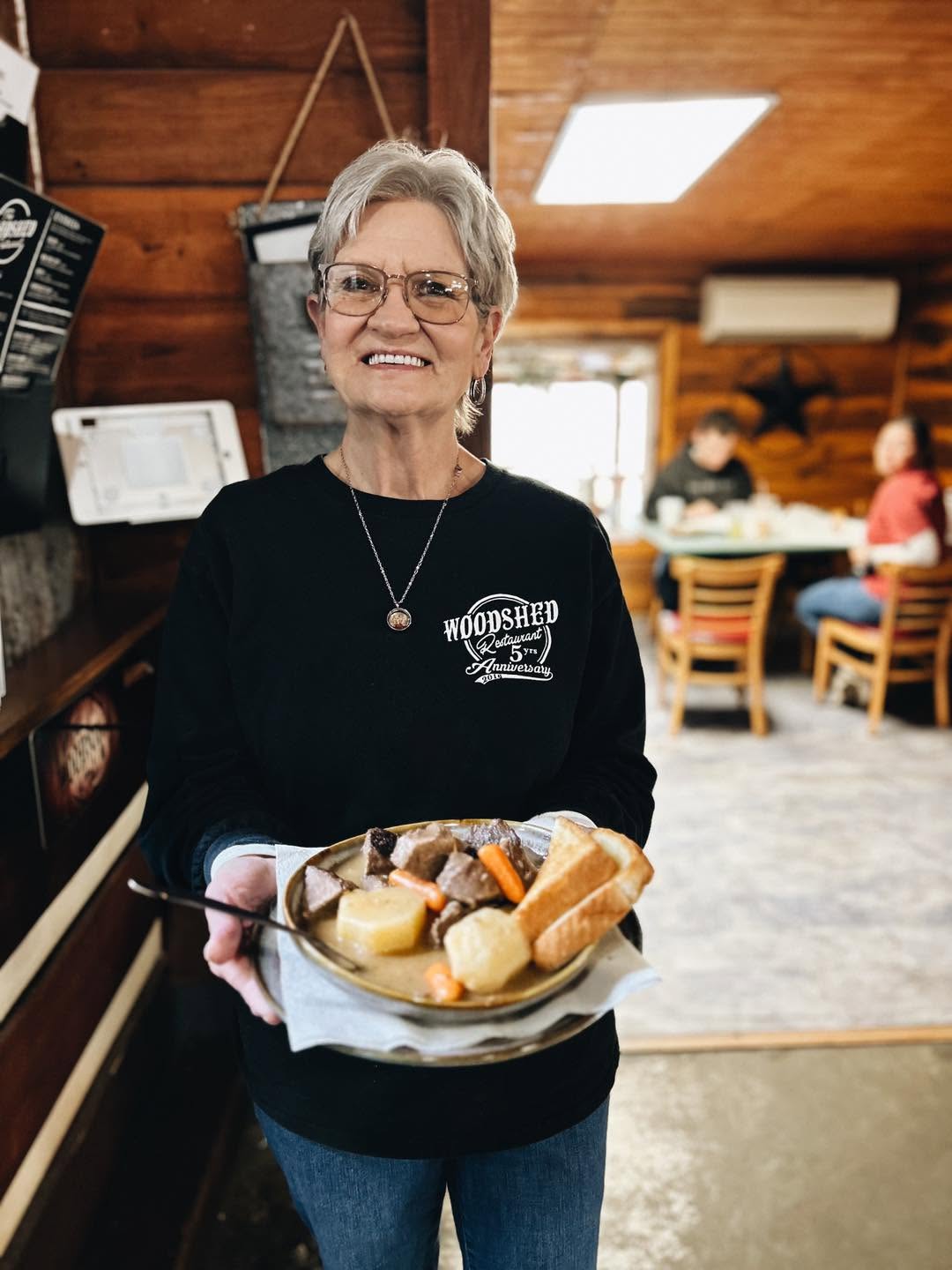
The Woodshed team serving generous catered meals
Main website image
Local context · Newport, TN

How local context shapes catering choices near Newport and the Smokies

In and around Newport, Tennessee, many events draw both local guests and people traveling in for weddings, reunions, or gatherings near the Smokies. That mix makes location and travel an important part of your catering choice. The Woodshed Restaurant & Catering operates on Cosby Highway in Newport and describes serving Newport and the surrounding Gatlinburg and Pigeon Forge area with in‑restaurant dining and catering for weddings, corporate events, private parties, and community gatherings. When you compare options for an event anywhere in this corridor, ask practical questions about where each caterer is based, which nearby towns or venues they already serve, and how they handle travel to your specific location. Confirm whether all event inquiries go through one central contact point, as they do with The Woodshed’s Newport location, and make sure you understand their booking process and how far in advance they recommend reserving your date. That way, your final choice reflects not only the menu but also how smoothly food, staff, and guests can come together between Newport, Gatlinburg, Pigeon Forge, and nearby communities.

Questions worth asking

Catering choice questions people often ask

Hosts who are new to planning catered events tend to worry about similar issues: not ordering enough, spending too much, or having details fall through at the last minute. These questions address those concerns with straightforward, practical answers so you can move ahead with more confidence.

How far in advance should I book a caterer?

Lead time depends on your date, size, and location, but for weddings and large events, starting inquiries several months ahead is common. Busy weekends in popular areas can fill even earlier. Smaller gatherings or weekday business events may be available with less notice, especially when you work with an established restaurant that already has kitchen and service staff in place. If your date is close, it is still worth reaching out and asking directly whether the caterer has openings and what they can realistically provide on your timeline.

What should I tell a caterer in my first message or call?

You will get clearer answers if you share a few basics up front: your event date or date range, approximate guest count, event type, venue and city, and whether you need full‑service catering or just food for pick‑up or delivery. Mention any must‑have menu ideas or dietary needs if you already know them. With that information, a provider can quickly say whether the date seems possible, which catering options might fit, and what next steps to take.

How do I avoid running out of food at a catered event?

Running out of food is a common fear, but good planning and clear communication make it unlikely. Share your best guest estimate with the caterer and update it as RSVPs come in. Ask how they calculate quantities for buffet or family‑style service and whether they build in a cushion for seconds. Clarify how close to the event you can adjust your headcount and what happens if more people attend than expected. Some restaurant-based caterers are known for generous portions, but you should still ask how they handle unexpectedly high appetites or extra guests.

Can one caterer handle more than one event for me, such as a rehearsal dinner and reception?

In many cases, yes. Some full‑service caterers and restaurant teams are able to support multiple events for the same host, such as a rehearsal dinner at the restaurant and a reception at an off‑site venue. The advantage is consistent food and one main contact for planning. The tradeoff is that you are placing more of your celebration in a single company’s hands. If you are considering this, ask whether they have handled multi‑event weekends before, how staffing works, and whether menus can be varied so your guests are not eating the same meal twice.

Is it better to use a local restaurant or a dedicated catering company?

Both can work well; the better choice depends on your event and priorities. A dedicated catering company may focus exclusively on off‑site events and bring specific equipment or staffing structures for very large or formal gatherings. A local restaurant with a strong catering arm, such as The Woodshed in Newport, offers proven recipes guests already enjoy in the dining room and extends that experience to weddings, private events, and corporate or community gatherings in the surrounding Gatlinburg and Pigeon Forge area. As you compare, focus on which option has clear experience with your type of event, can comfortably serve your headcount at your venue, and communicates in a way that makes you feel confident and supported.

Your next step

Ready to talk through your catering options?

If you are planning a wedding, private celebration, or corporate or community event in East Tennessee, you do not have to figure everything out alone. The team at The Woodshed Restaurant & Catering in Newport helps hosts match service style, menu, and logistics to the occasion, whether you need hearty local favorites for a family gathering or dependable meals for a business or community event. You can start the conversation with an online booking request through their event pages or by calling the Newport restaurant to outline your date, guest count, and location. From there, you can compare their proposal with other options and choose the fit that gives you the food, support, and peace of mind you need.

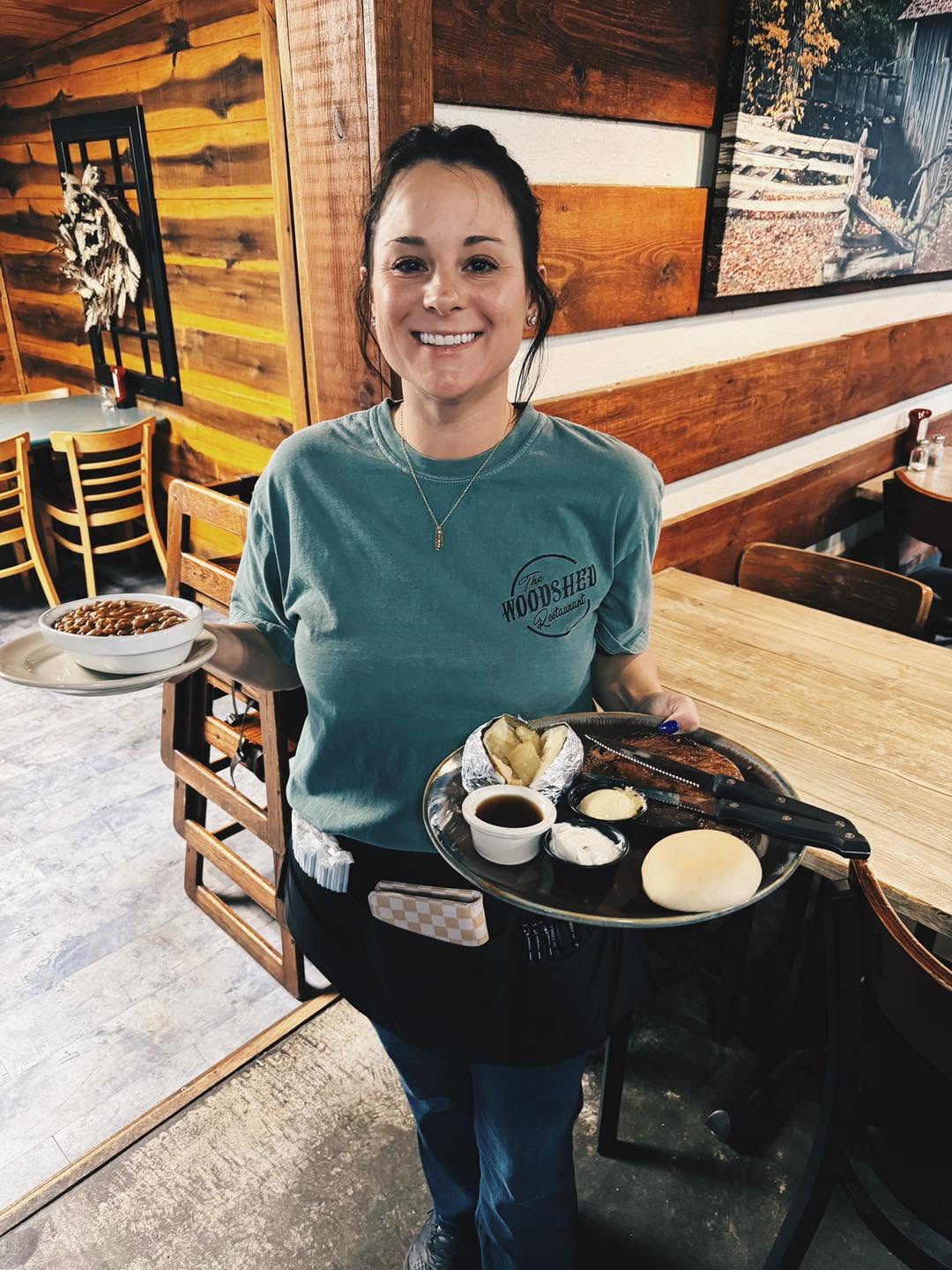
Woodshed server carrying two meals