Planning meals and events on a real timeline

How Long It Takes to Hire a Restaurant Provider

Hiring a restaurant or catering provider is more than picking a menu. There is a sequence: recognizing the need, researching options, sharing your details, reviewing recommendations or estimates, confirming the plan, and then preparing for the day itself. This page walks through those stages so you can estimate how long each one may take and approach your next meal or event with a realistic schedule in mind.

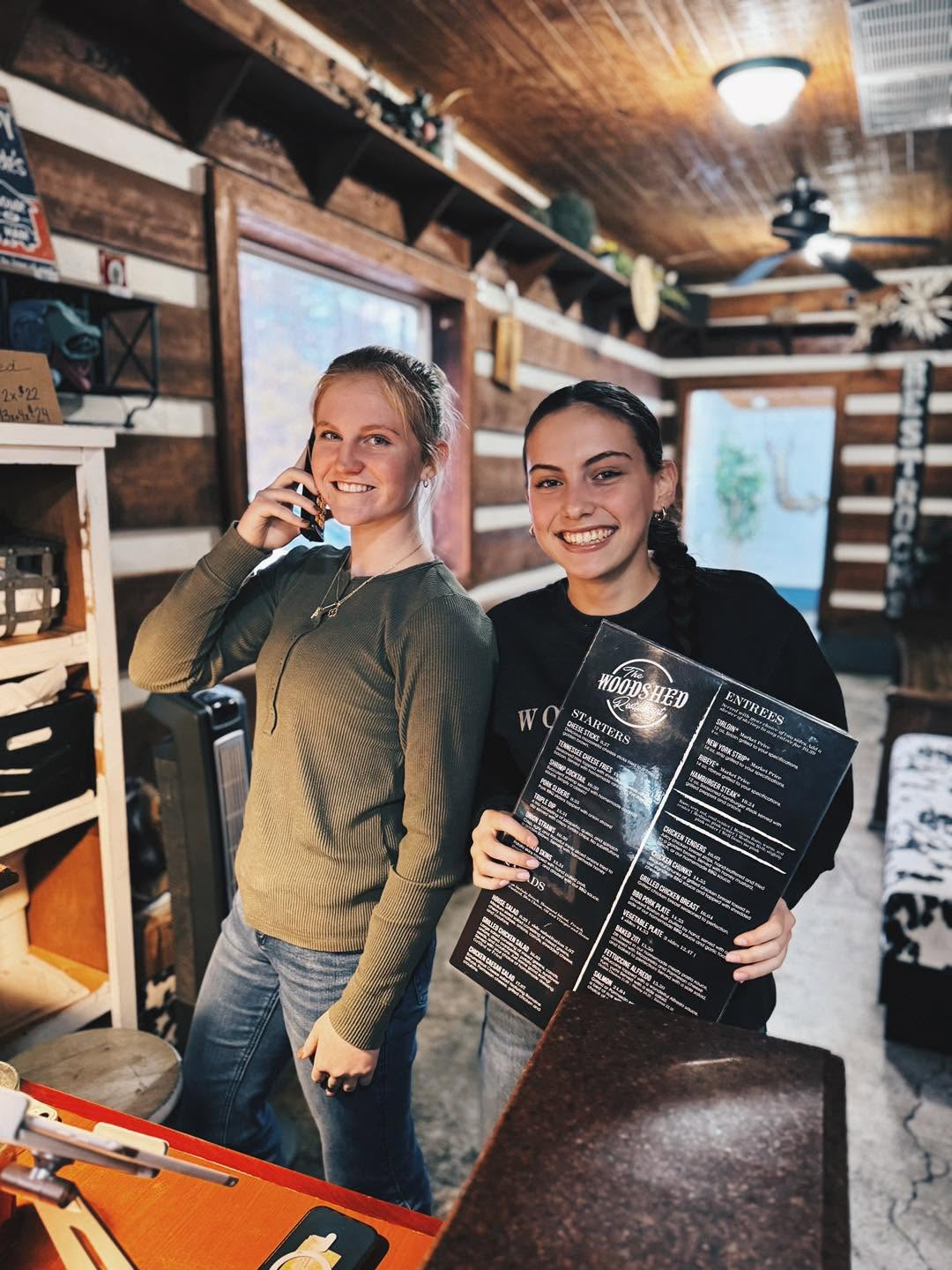
Woodshed staff members with a restaurant menu
The short answer

What matters most

Hiring a restaurant provider usually happens in stages. You first identify your need, then research providers and share basic information such as date, time, guest count, and location. The provider reviews what you send, offers recommendations or estimates, and answers questions so you can compare options. Once you confirm the scope of service, they schedule your visit or event, prepare food and staffing, complete the agreed work, and follow up as needed.

Hiring a restaurant provider follows a series of steps, from recognizing the need through research, first contact, estimates, booking, preparation, service, and follow-up.
The complexity of your plans and the size of your guest list have a direct impact on how early you should begin conversations with restaurants or caterers.
You can keep the process moving by sharing clear details early, asking specific timing questions, and responding promptly to follow-up from the provider.
In the Newport and Smokies area, coordinating a restaurant base in town with travel to nearby communities makes it especially important to factor geography and schedule into your timing.
Evidence from an established local provider’s history, guest reviews, and community ties can help you judge whether they are a good fit for the timing and responsibility you need.
The Woodshed team ready to help with catering
A useful way to think about it

From First Idea to Finished Service: The Typical Timeline

Different plans move at different speeds, but most follow the same basic path. A sit-down dinner at a restaurant, a birthday gathering, or a full wedding reception all pass through a series of steps from first idea to completed service. Understanding those steps helps you see where time is spent and what you can do to keep things moving.

1. Recognizing the need and outlining the basics

The timeline begins the moment you decide you want help with food. That could be realizing you want to meet friends for dinner instead of cooking, or deciding you need catering for a wedding, reunion, or company gathering. At this point you control the pace. Take a moment to sketch the essentials: the kind of service you want (restaurant dining, catering, or both), a target date and time, an approximate guest count, and where you plan to gather. Even a simple statement like “an early evening meal for six in Newport” or “a Saturday event for about 40 people near the Smokies” gives providers something concrete to respond to and trims later back-and-forth about whether your ideas are realistic for the day you have in mind.
2. Researching restaurant and catering options

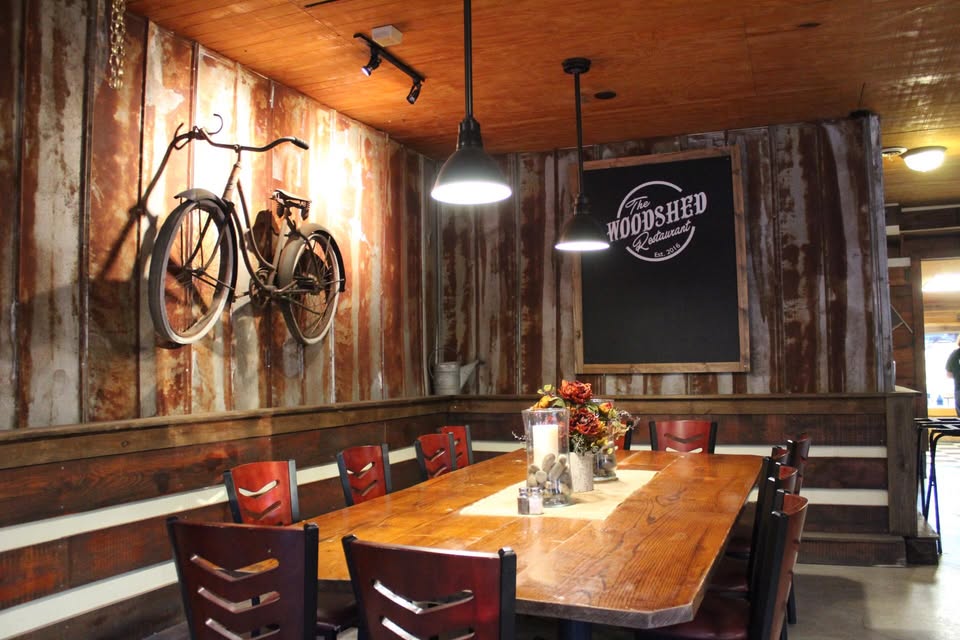
With basic details in hand, you move into research. This can be quick if you already have a preferred restaurant or caterer, or it can take longer if you are comparing several choices. During this step, you are looking for signs that a provider serves your kind of gathering and your general area. For example, The Woodshed Restaurant & Catering in Newport describes both sit-down dining and catering for weddings, private events, and corporate or community gatherings across the surrounding Gatlinburg and Pigeon Forge area. Details like that tell you whether a given provider is even in the right category for your plans. Time spent checking websites, menus, service descriptions, and basic location information now helps you avoid delays later when a provider has to decline because your event type or area is outside what they actually handle.

3. Making first contact and sharing key information

Your first outreach is an important timing milestone because it is where your schedule meets the provider’s. Many restaurants and catering teams offer several ways to get in touch, such as a published phone number, a general contact page, or a dedicated event request form. The Woodshed, for instance, lists a phone number and email address and provides online booking-related pages for people planning private parties, catered celebrations, and company gatherings. You can make this step more efficient by arriving with the essentials ready to share: event type, date and time window, approximate headcount, location, and whether you are thinking about in-restaurant dining or off-site catering. Clear information during first contact allows the team to check their calendar and capabilities more quickly and give you a realistic sense of what is possible.

Decision guide

How to Use the Timeline to Plan Your Next Step

Once you understand the stages, the next question is how to apply them to your own calendar. This section helps you think through how early to start, what to confirm first, and how to spot when a provider’s timing does or does not line up with what you have in mind.

Estimating how early to start for different plans

Simple and complex plans carry different timing needs. A standard dinner for a small group often comes together with relatively short notice, as long as you confirm basic details like opening hours and whether they can comfortably seat your party. Modest celebrations, such as a birthday meal or small office outing, usually benefit from some advance planning so that tables and timing can be coordinated. Larger or more involved gatherings—such as weddings, reunions, or community events—generally require a longer lead time because they involve more food, more people, and additional logistics. There is no universal rule that applies everywhere, but you can use a simple guide: the more guests you invite and the more formal the occasion, the earlier you should begin talking with providers about dates and expectations.

Questions to ask about timing before you say yes

Before you commit to a restaurant or caterer, it is worth asking a few direct questions about timing. Ask how far ahead they recommend booking for your type of gathering. Confirm when they need your final guest count and choices, and what happens if you need to adjust details later. If catering is involved, request clarity on arrival windows, setup time, and how long service is expected to last. You can also ask when to expect key milestones such as receiving a detailed estimate or a confirmation. Clear, specific answers to these questions help you understand whether their process fits your schedule and comfort level.

Moving from idea to confirmed booking without delay

If your date feels close, managing your own side of the timeline can make a big difference. Focus on one or two providers that genuinely match your needs rather than scattering incomplete inquiries to many places. When you reach out, include all of the basic information you have and mention any flexibility on dates or times. Keep an eye on your email and phone so you can respond promptly to follow-up questions. Once you receive an estimate or proposal that aligns with your plans, be ready to confirm and complete any requested next steps so your spot on the calendar is secure. Every round of unanswered questions or delayed decisions stretches the timeline and can reduce the options available to you.

Recognizing when a provider’s schedule may not fit

Sometimes the answers you receive indicate that a particular provider is not the right timing match. If a restaurant or caterer is already fully booked for your preferred date and cannot offer reasonable alternatives, it may be better to shift your attention elsewhere rather than forcing your event into a crowded calendar. If responses are consistently slow without explanation, consider what that could mean as your date approaches. On the other side, if you notice that you are having trouble making decisions while time passes and dates fill, that is a sign to narrow your options and move toward a clear choice. Paying attention to these signals early allows you to adjust your expectations or plans before timing becomes a source of stress.

Evidence and expectations

What You Can Learn from a Newport Restaurant and Catering Team

You cannot see the future, but you can look at how an established local restaurant and caterer describes itself and what guests say about their experiences. That context gives you clues about how a provider approaches planning, service, and day-of follow-through.

A decade of local restaurant and catering service

The Woodshed Restaurant & Catering has been serving East Tennessee since 2016 from its location on Cosby Highway in Newport. It is described as a local favorite restaurant and catering spot that serves generous local favorites in-house and caters weddings, private celebrations, and corporate or community events across the surrounding Gatlinburg and Pigeon Forge area. A business that has supported both everyday dining and repeated celebrations over many years has had to handle many kinds of timelines and event needs, which can give customers confidence when they begin asking about what is realistic for a particular date and plan.

Guest feedback on food and same-day experience

In one five-star Google review, a visitor from out of the area described being unsure where to go at first and mentioned that a staff member personally directed them to the restaurant. They reported that everything was delicious, very well seasoned, and that dessert topped off the meal, ending with a promise to return when they are back in the area. While this review focuses on the dining experience, it also shows staff taking time to assist someone unfamiliar with the location. When you are evaluating providers, details like clear directions, helpful guidance, and consistently good food are relevant to how a meal or event will feel on the day it happens.

Team culture and community connections

The Woodshed describes its staff as a family and notes that, over ten years in business, many former team members have gone on to careers as registered nurses, radiography technologists, nurse practitioners, maintenance workers, utility workers, and teachers, with several former coworkers now married and raising families. The business also highlights that many front-of-house team members are high school or college students or teachers, reflecting a purpose of empowering youth and supporting educators. These long-term ties to the community suggest a workplace that values relationships and continuity. For someone planning a meal or event, information like this can be one factor in deciding whether a provider seems likely to take your plans and schedule seriously.

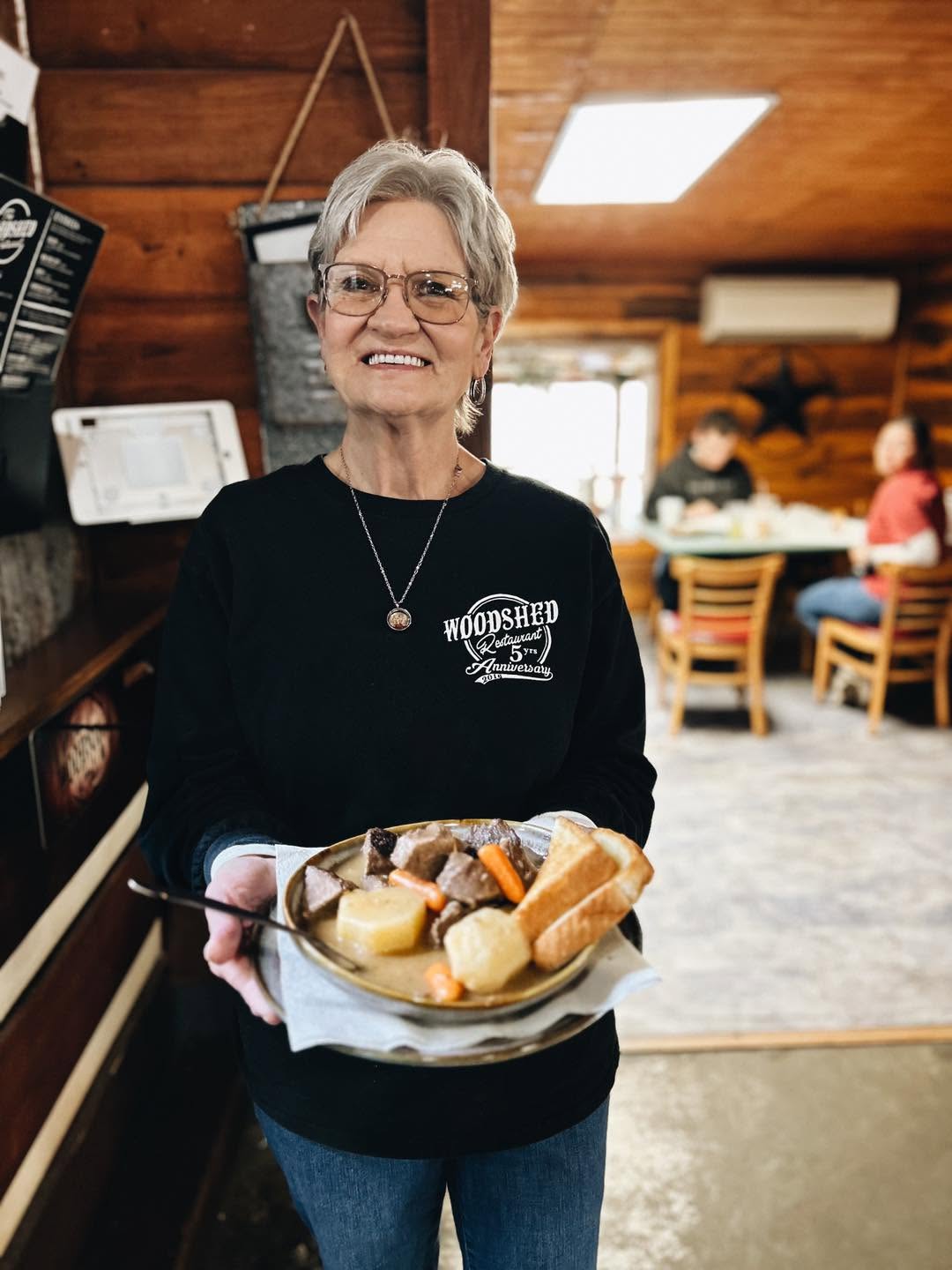
The Woodshed team serving generous catered meals
Main website image
Local context · Newport, TN

How the Newport and Smokies Area Affects Timing

If your plans involve Newport or nearby Smokies communities such as Gatlinburg, Pigeon Forge, Sevierville, or Cosby, local geography and travel play into timing decisions. The Woodshed Restaurant & Catering operates from a single location on Cosby Highway in Newport and serves both in-restaurant diners and catering clients across this wider area. That means many events involve coordinating a restaurant base in Newport with travel to and from area venues. When you are planning, think about how long it takes guests and staff to reach your location, whether people are traveling through the Smokies, and how your date and time fit with typical busy periods like weekends and holidays. The more moving parts you see—multiple towns, specific travel routes, or gatherings at remote spots—the earlier you should begin conversations so calendars, food preparation, and any travel to your venue can be worked out carefully.

Questions worth asking

Timing Questions About Hiring a Restaurant Provider

Even with a clear outline of the process, many diners and hosts still have practical questions about how timing works in real life. These answers address common situations where people wonder whether they are starting early enough or moving quickly enough.

How far in advance should I contact a provider for a wedding or large event?

There is no single rule, because every provider’s calendar is different, but weddings and large events are among the most time-sensitive plans you can make. Once you know your date and general location, it is wise to start talking with restaurant and catering teams rather than waiting until other details are finished. Share your estimated guest count, the kind of service you are picturing, and where the gathering will be held. From there, the provider can tell you what dates are available and what sort of planning window they recommend for an event of your size.

Is it worth reaching out if my event is coming up soon?

If your plans are close, it can still be worth contacting providers to see what is possible, as long as you stay open to adjustments. Explain your timing, event type, guest count, and location clearly. A team may be able to offer a simpler menu, a different serving style, or a time that fits around their existing commitments. At the same time, be prepared for the possibility that certain dates or options are no longer available and that flexibility on your side may be needed to make things work.

How quickly will I usually hear back after submitting an online request?

Response times vary, and most restaurants and caterers handle messages during their normal working hours rather than continuously. When you use an online contact or event booking form, check whether the provider mentions typical response expectations. If your plans are time-sensitive and you have not heard back after a reasonable period, a courteous follow-up by phone or email can confirm that your request was received and find out what the next step will be.

Can I plan regular dining and catering on similar timelines?

Restaurant dining and catering often follow related but different schedules. A simple sit-down meal at a restaurant may only require checking opening hours and any guidance about group sizes, especially for smaller parties. Catering usually introduces additional timing needs, because the team must plan food quantities, staffing, and, in some cases, travel to a separate venue. If you are hoping to combine a restaurant meal with a catered gathering around the same dates, begin with the more complex catered portion and then fit your dining plans around what you learn about availability.

What if my guest count or plans change after I start working with a provider?

Changes are common, but they can affect both timing and options. When you first speak with a restaurant or caterer, ask when they need a final headcount and any firm decisions about menu or schedule. If your plans shift, let them know as soon as possible so they can update orders, staffing, and any travel arrangements. Early communication makes it more likely that adjustments can be made without rushing or limiting choices at the last minute.

Your next step

Ready to See If Your Date and Plans Will Work?

If you know roughly when you want to gather and how many people you need to feed, the fastest way to test your timeline is to contact a provider directly. For meals or events in and around Newport, you can review the menu, read more about the team, and then use the contact or event booking pages to share your date, headcount, and general plans. Once those details are in front of a real person, they can respond with availability and options that fit the time you have.

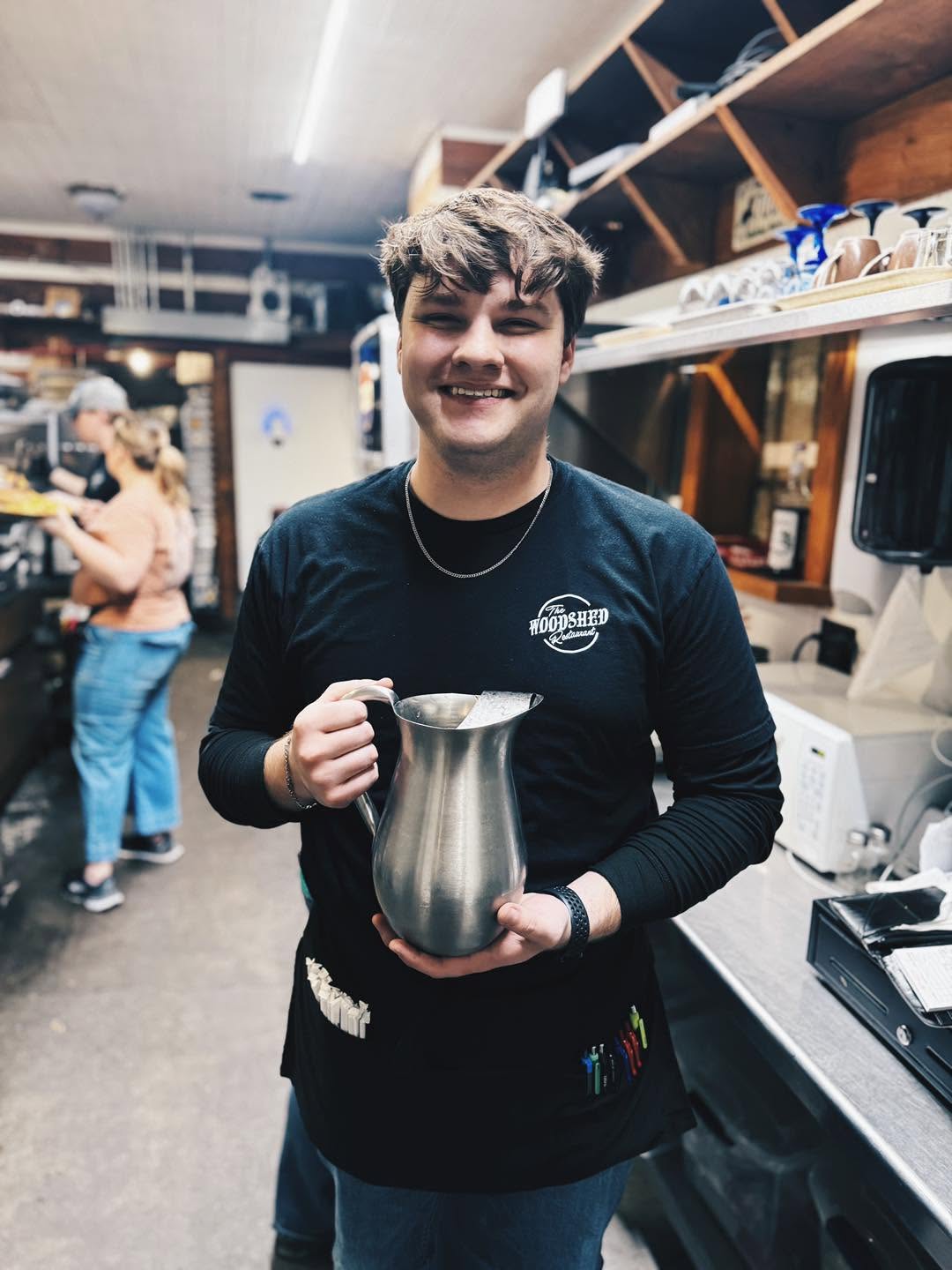
Woodshed team member holding a serving pitcher