Restaurant dining, catering, and events

Choosing the Right Restaurant or Caterer

The restaurant or caterer you choose shapes the entire feel of your meal or event. This guide walks you through how to compare providers in a clear, practical way so you end up with food, service, and timing that support what you are trying to celebrate—not work against it.

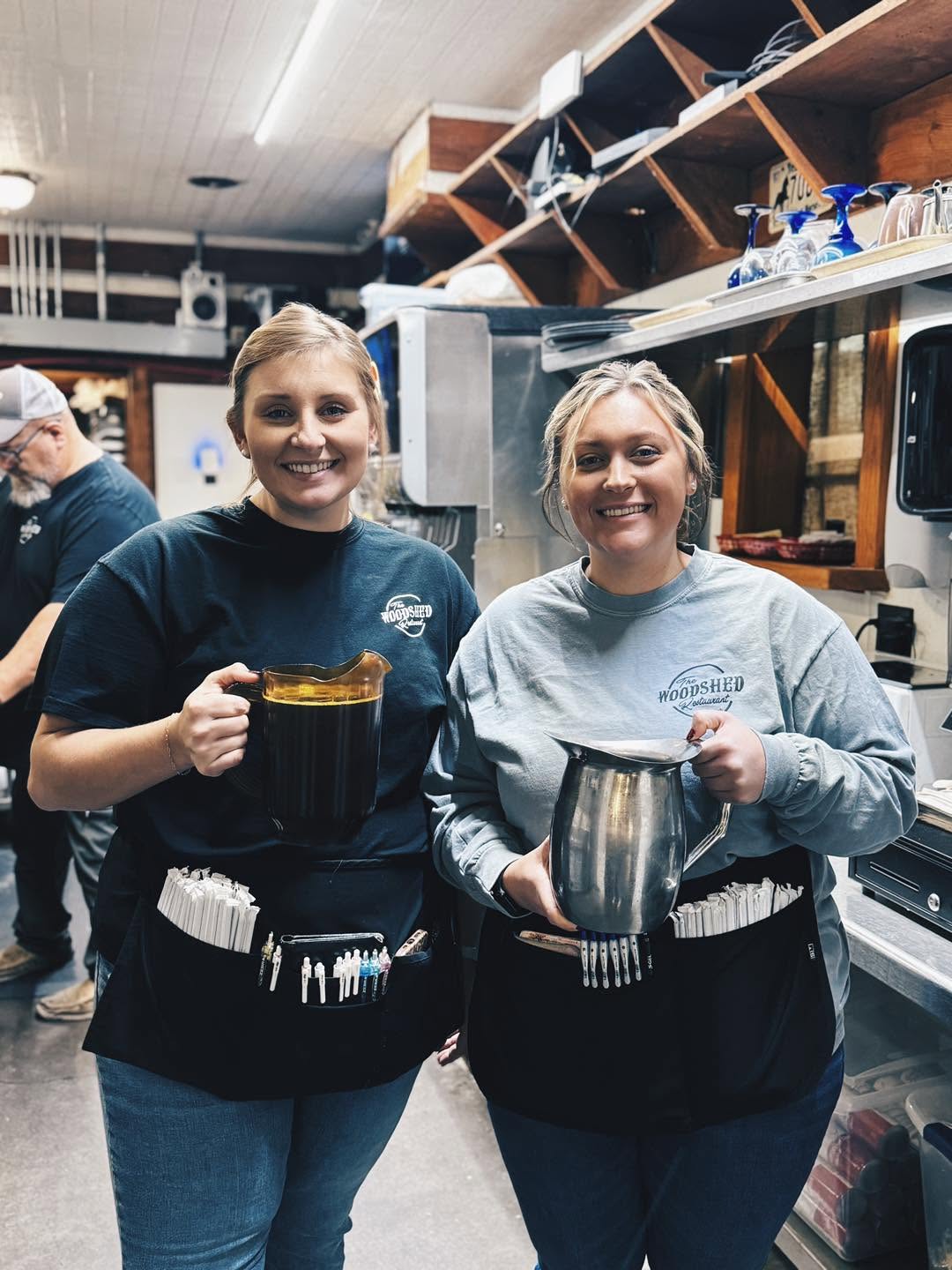
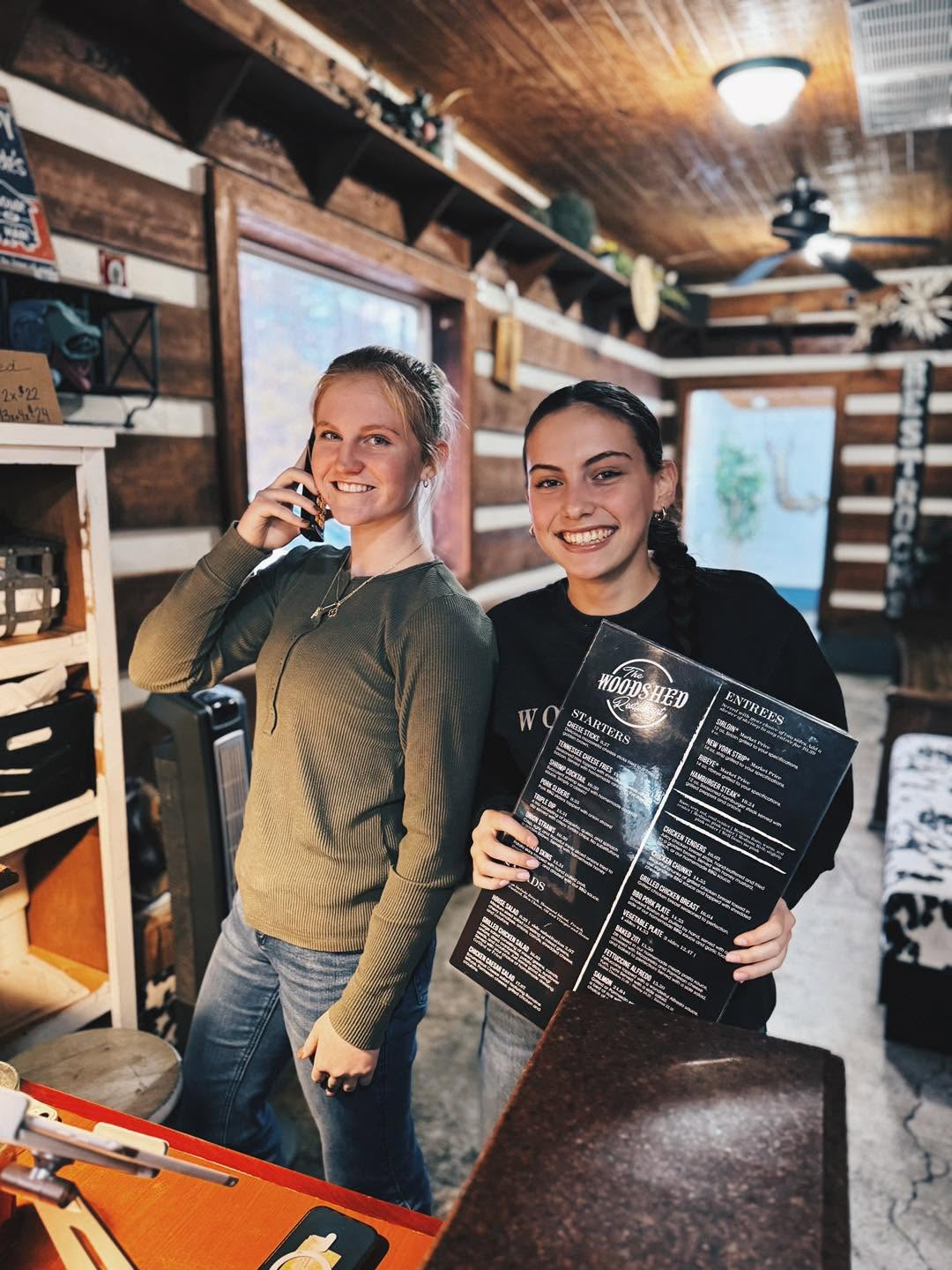
Woodshed staff members with a restaurant menu
The short answer

What matters most

To choose the right restaurant or catering provider, first get clear on what you are planning: an everyday meal, a special celebration, or a fully catered event. Decide whether you need in-restaurant dining, off-site catering, or a mix of both, then compare providers on concrete points like experience with gatherings like yours, clear examples or reviews, an explained planning process, and specific answers about timing, travel, staffing, and who handles what. Weigh total value, not just price, by looking at how well a provider’s food, hospitality, organization, and communication line up with your priorities and budget. In East Tennessee, The Woodshed Restaurant & Catering in Newport, Tennessee offers hearty local favorites in its restaurant and dependable catering for weddings, private celebrations, and corporate or community events across the Gatlinburg and Pigeon Forge area, giving hosts one local team to consider for both sit-down meals and off-site gatherings.

Start with the purpose and format of your gathering—restaurant dining, off-site catering, or a mix—before you compare specific providers.
Look for providers with clear experience serving events and groups similar to yours, not just general claims about catering or hospitality.
Use specific reviews and real examples to judge reliability and guest experience, not only star ratings or menu photos.
Clarify process, communication, timing, and day-of responsibilities early so you know exactly how planning and service will work.
Evaluate total value by looking at food quality, service, logistics support, and local convenience in relation to your budget, especially when guests are traveling through areas like Newport and the Smokies.
The Woodshed team ready to help with catering
A useful way to think about it

A practical roadmap for choosing a restaurant provider

Instead of jumping straight to a menu or a single star rating, walk through your decision in stages. Each step below focuses on a different question: what you are really trying to do, what format makes sense, and how to tell whether a provider is equipped to pull it off.

1. Start with purpose, not plates

Before you compare a single restaurant or caterer, get specific about what you are actually trying to accomplish. A Tuesday dinner for four on the way through Newport is very different from a Saturday wedding for 150 in the Gatlinburg or Pigeon Forge area, even if both involve the same type of food. Clarify three things: the purpose of your gathering, the feel you want (casual, formal, family-style, business-like), and how involved you want to be with logistics on the day. Write this down. Providers that shine for relaxed family meals may or may not offer full event catering. Others may be set up mainly for weddings, private celebrations, or larger community or corporate events. Once you know the job you are hiring the restaurant to do, it becomes easier to see who actually offers that kind of support.

2. Decide whether you need dining, catering, or both

Next, sort out the basic format. Will guests travel to a restaurant, will food come to your venue, or do you need a combination? Traditional restaurant dining means a sit-down meal at the business location during its open hours. Off-site catering means food and possibly service are brought to you for a wedding, party, meeting, or community event. List the pros and cons for your situation. Restaurant dining can reduce setup and cleanup for the host, but it requires your guests to travel and fit within the restaurant’s hours and seating capacity. Catering can meet guests where they already are, but you may need to think about delivery access, buffet layout, tables, and power. Some providers handle both sit-down meals and regional catering, which can be helpful if your plans involve more than one type of gathering.

3. Check experience with gatherings like yours

Once you know the format, you can ask sharper questions about experience. Instead of asking, “Do you do catering?” ask, “How often do you cater weddings?” or “Have you handled corporate trainings with all-day food?” or “Can you serve a reunion at a rented cabin near where we are staying?” Look for patterns, not just one-off claims. A provider that regularly serves weddings, private celebrations, and corporate or community events is more likely to have repeatable processes and backup plans. For restaurant dining, ask how they handle larger tables, special occasions, or busy nights. The goal is not to catch anyone out—it is to understand whether their everyday work matches the kind of help you actually need.

Decision guide

Turning your short list into a confident choice

After you narrow down a few restaurants or caterers that could handle your meal or event, you still have to decide who gets the date. Use these points to move from general research to a specific yes or no for each option.

Clarify process and communication upfront

Even a great menu will not rescue a confusing process. Ask each provider to walk you through how things work from first contact to confirmed booking. For example, do they start with a phone call, an online request form, or an in-person visit? Who will be your main point of contact, and how quickly do they typically respond to questions? A clear process usually includes an initial conversation, a written outline or proposal, a way to confirm details, and an agreed-upon method for day-of communication. For catering, ask when final headcounts are due and how changes are handled. For restaurant dining, ask whether you can call ahead about group size or special occasions. The more plainly they can describe their steps, the easier it will be for you to stay organized and confident.

Map responsibilities so nothing falls through the cracks

Misunderstandings almost always trace back to unspoken assumptions. Before you commit, go line by line through who handles what. For catering, clarify who provides serving staff, tables, linens, plates, and utensils; who manages setup and teardown; and who is responsible for coordinating any outside rentals or vendors. For restaurant dining, talk through whether you need anything beyond a normal table visit, such as a reserved area, dessert for a celebration, or separate checks for a work group. A dependable provider should welcome these questions and either confirm what they handle or explain what would require a separate arrangement. Getting this in writing—even if it is a simple email summary—can prevent stress on the day of your meal or event.

Look at total value, not just a single number

Because most restaurants and caterers do not publish fixed prices for every situation, you will likely be comparing quotes or estimates. Instead of focusing only on the lowest figure, step back and consider what you receive for that amount. Does the proposal include enough food for your guest count? Are setup, service, and cleanup part of the package, or will you need to recruit help? Factor in reliability and hospitality as part of the value. A provider with consistent service, responsive communication, and a history of serving your type of event may be worth more to you than a slightly cheaper option with less structure. If you are unsure, ask for a simple side-by-side outline of what is and is not included so you know exactly what you are comparing.

Confirm timing and next steps before you hang up

Your decision is not finished until you know what happens next. Before you end a call or leave a meeting, ask very specific questions: Is my date currently available? What information do you still need from me? What is the next concrete step, and by when should we complete it? For restaurant visits, that might mean confirming hours and understanding whether you should call again the day of your meal to check wait times or seating for a larger party. For catering, that may involve submitting an event request through the provider’s website, reviewing a follow-up email, or approving a written quote. Knowing exactly how to move from conversation to confirmation helps you protect your date and keep planning on track.

Evidence and expectations

What is actually known about The Woodshed as a local example

This guide is meant to work for any restaurant provider, but The Woodshed Restaurant & Catering offers a concrete example from Newport, Tennessee. The points below stick to what is documented about the business and highlight how that information can guide the way you evaluate local options.

Established local presence and dual focus

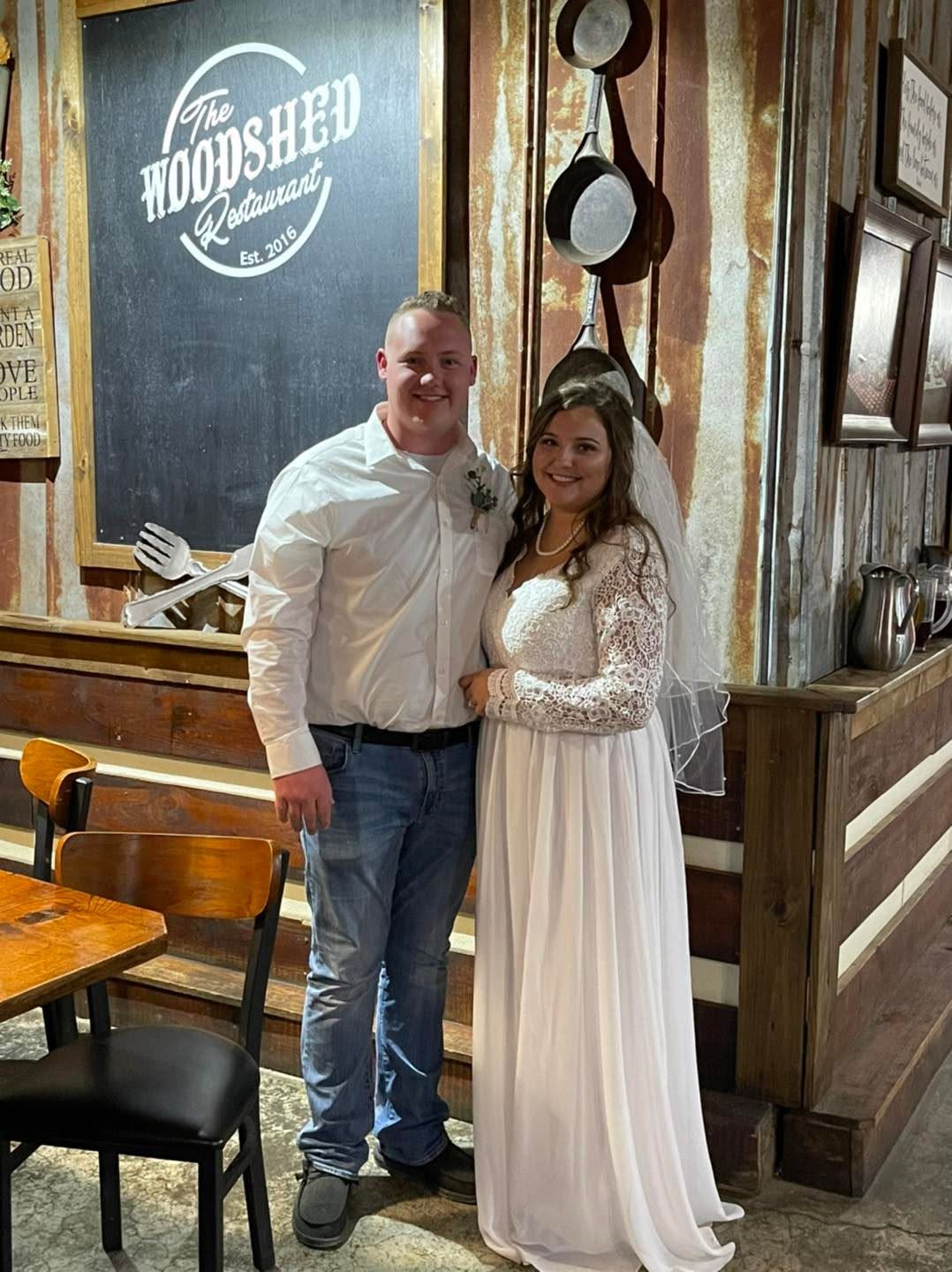
The Woodshed Restaurant & Catering operates at 2593 Cosby Highway in Newport, Tennessee. According to its own description, it has been serving East Tennessee since 2016, combining a sit-down restaurant with catering for weddings, private events, and corporate or community gatherings across the greater Gatlinburg and Pigeon Forge area. Because restaurant and event inquiries are handled through the Newport location, you have one central point of contact whether you are planning a simple dinner or a fully catered celebration. When you evaluate any restaurant provider, this kind of anchored local presence and clear mix of services can be a useful benchmark.

Community-minded staffing and long-term relationships

The Woodshed describes many of its front-of-house team members as high school or college students or teachers, reflecting a focus on empowering youth and supporting educators. Over the years, former team members have gone on to work as registered nurses, radiography techs, nurse practitioners, maintenance workers, utility workers, and teachers. The owners describe the team as a family and note that some staff members met their spouses while working there, leading to what they affectionately call “Woodshed grandbabies.” These self-reported details illustrate a business that emphasizes long-term relationships and local ties. As you compare providers, you can ask similar questions about any restaurant’s team: how long core staff have been there, how they approach training, and whether the people you plan with are likely to be involved on the day of your event.

Guest feedback on food quality and experience

One published Google review from a visitor who was not local mentions nearly missing the restaurant entrance and being helped by a young staff member who directed them up the hill to the dining area. The reviewer notes that “everything was delicious,” that the food was “very well seasoned,” and that dessert completed the meal, ending with the promise, “We’ll be back when I’m in the area!” This is just one review and should not be treated as a full survey, but it does provide specific details: helpful staff, positive comments about seasoning and dessert, and an intention to return. When evaluating any restaurant or caterer, look for similarly concrete reviews that describe what actually happened, not only star ratings. Those details offer better insight into how the provider might handle your visit or event.

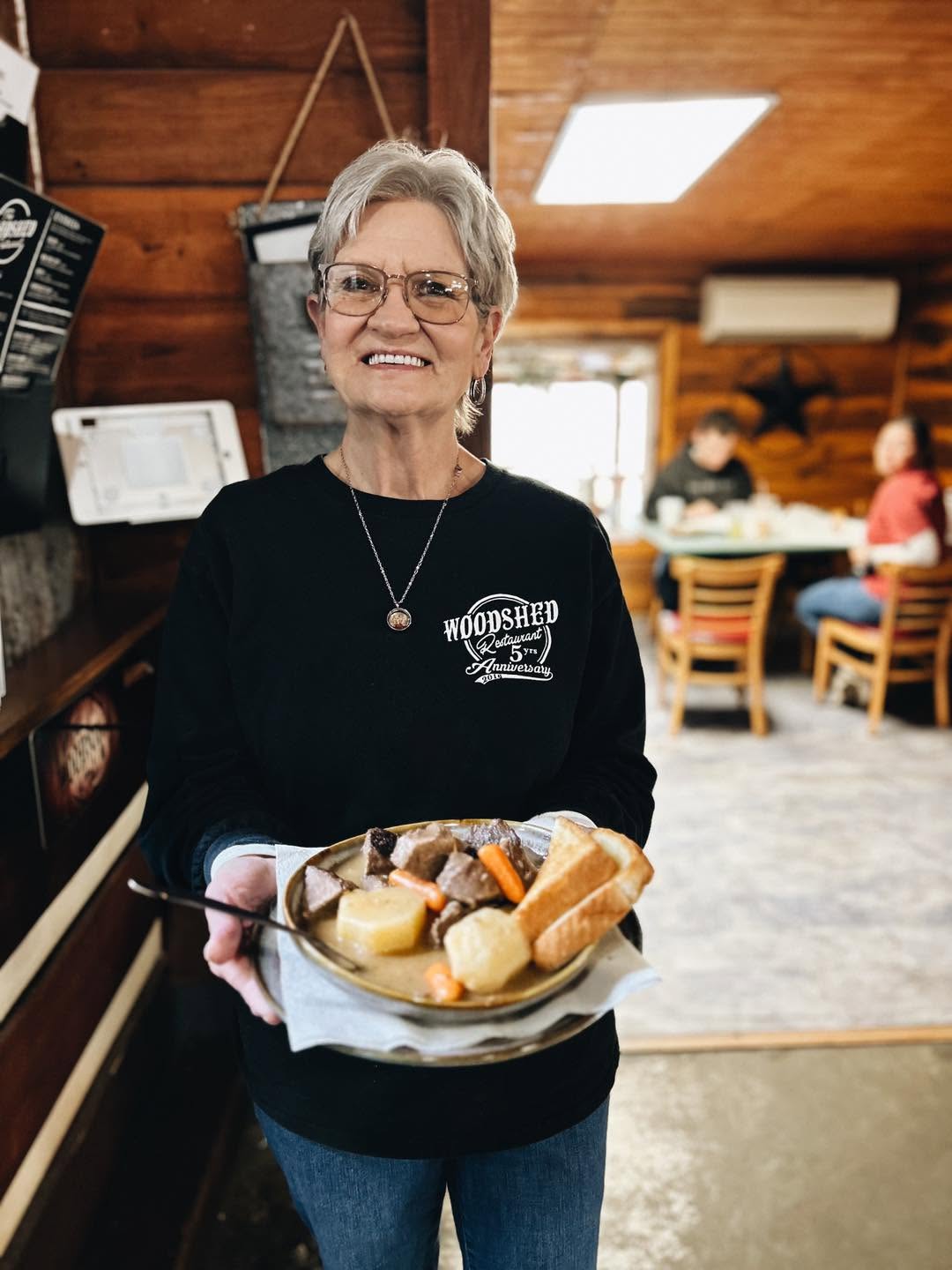
The Woodshed team serving generous catered meals
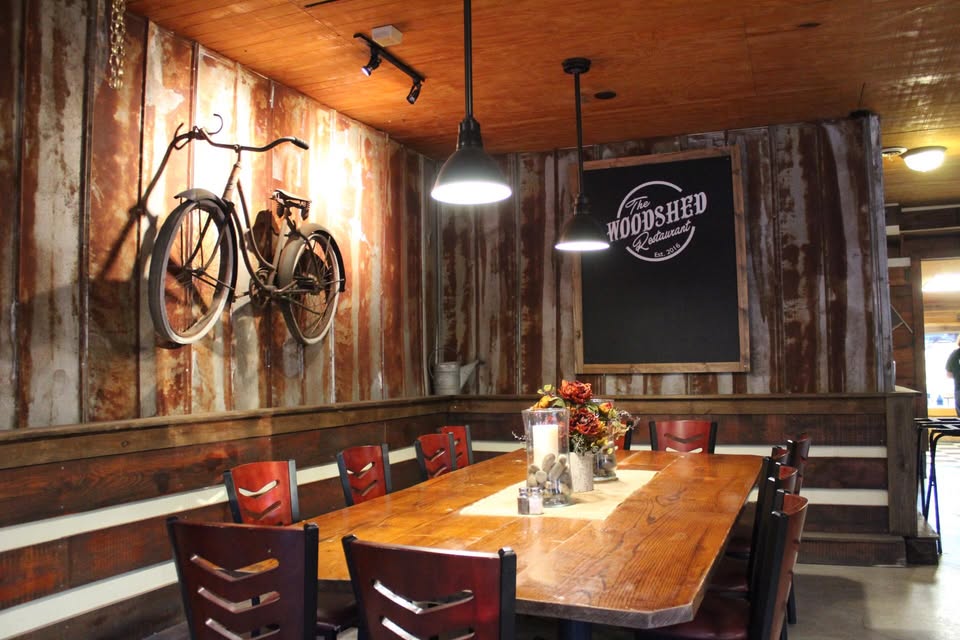
Main website image
Local context · Newport, TN

Why location and travel plans matter in East Tennessee

Around Newport, Gatlinburg, Pigeon Forge, Cosby, Sevierville, and nearby mountain communities, restaurant and catering decisions are closely tied to geography and travel. Guests may be arriving from different directions, tied to specific check-in times, or driving over mountain roads before or after your gathering. All of that affects whether it makes more sense to meet at a restaurant in town, bring in catering to a venue, or use a mix of both. When you talk with potential providers, be very specific about where your guests will actually be and when. Ask whether they regularly serve your town or venue, whether there are travel or delivery fees, and if they have any limitations for certain locations. Clarifying this early helps you avoid choosing a restaurant or caterer that looks ideal on paper but is difficult for your guests to reach or for the team to serve on the day you have in mind.

Questions worth asking

Common questions about choosing restaurant and catering providers

Hosts tend to worry about the same things once they start comparing options: timing, menus, process, format, and cost. These questions surface those concerns so you can address them before you commit to a provider or a date.

How early should I book a restaurant or caterer for an event?

Lead time depends on your date, group size, and location. For everyday restaurant meals, especially on weeknights, checking hours and asking about wait times the day of your visit can be enough. For larger groups or special occasions, it is wise to reach out at least a couple of weeks ahead, and longer for busy weekends or holidays. Catering for weddings, reunions, or corporate events typically benefits from even more notice, because providers need time to confirm staffing, plan menus, and coordinate travel. If your gathering is tied to a popular Saturday or a busy season in your area, aim to start conversations months ahead when possible so you have more options.

What should I ask about menus beyond “what do you serve”?

Menu questions are most helpful when they connect directly to your guests. Instead of only asking for a list of dishes, start with your must-haves and constraints: any severe allergies, religious or cultural preferences, vegetarians or vegans, kids who may prefer simpler options, and any guests with texture or spice sensitivities. Then ask how the provider typically handles variety within those boundaries. For restaurant meals, that may mean confirming there are enough options across the menu to keep everyone comfortable. For catering, ask whether they can suggest dishes that travel well to your kind of venue, adjust portion sizes for your group, or provide separate dishes for guests with specific dietary needs. A good provider will offer realistic suggestions and be clear about what they can and cannot accommodate safely.

How can I tell if a provider’s process will work for me?

Pay attention to how the provider handles your very first interaction. Do they return calls or emails within the timeframe they mention? Do they answer questions directly, or do you leave the conversation more confused than when you started? Are they upfront about what they do not offer? Then look for signs of structure: a clear way to share event or group details, an explanation of how quotes are prepared, and a straightforward path to confirming your date. If the provider uses online forms, see whether those forms ask for the information you would expect—date, time, guest count, location, and type of gathering. Providers that approach the planning stage in an organized way are more likely to handle your actual event smoothly.

What if I am not sure whether I need catering or just a restaurant visit?

You do not have to have this figured out before you reach out. Start by describing your situation: how many people you expect, where they will be coming from, and whether you have already reserved a venue. A restaurant or catering team that offers both options can help you weigh the trade-offs. For example, they might suggest a sit-down meal at the restaurant for a smaller group that can easily travel, and catering for a larger gathering at a cabin or community hall. Or they may point out that a single location for both ceremony and reception would benefit from on-site catering instead of asking guests to drive to a second destination. The key is to find a provider willing to talk through scenarios, not just push one option.

How do I handle cost conversations if no price list is posted?

Many restaurants and caterers do not post full pricing because costs change with guest count, menu choices, staffing needs, and travel. You can still have a productive conversation without a public price sheet by being transparent about your constraints. Share your approximate budget range, the size of your group, and any must-have elements. Ask the provider to suggest configurations that fit within that range and to be honest if your expectations and budget do not align. Request a written outline of what is included for the amount discussed—food types and quantities, service style, length of service, and any additional fees—so you can compare options clearly before you decide.

Your next step

Ready to see whether a Newport provider fits your plans?

If you are planning a meal or event in or around Newport and want to know whether a local restaurant and catering team is a match, you can reach out directly to The Woodshed Restaurant & Catering. From its location on Cosby Highway in Newport, the team serves generous local favorites in the restaurant and caters weddings, private celebrations, and corporate or community events across the surrounding Gatlinburg and Pigeon Forge area. You can browse the current menu online, then call, email, or use the contact and booking pages on their website to describe your gathering. Sharing your date, approximate guest count, and general location helps the Newport team quickly tell you whether they can help and what the next concrete step should be, such as a follow-up conversation or a detailed catering quote.

Woodshed server carrying two meals