Before You Book a Meal or Event

Communication Expectations Before You Commit

You should not have to guess what happens next with your meal, celebration, or company gathering. This page outlines what clear, steady communication from a restaurant provider looks like—before you book, as plans come together, and once service is complete—so you can decide whether a team is organized enough for what you need.

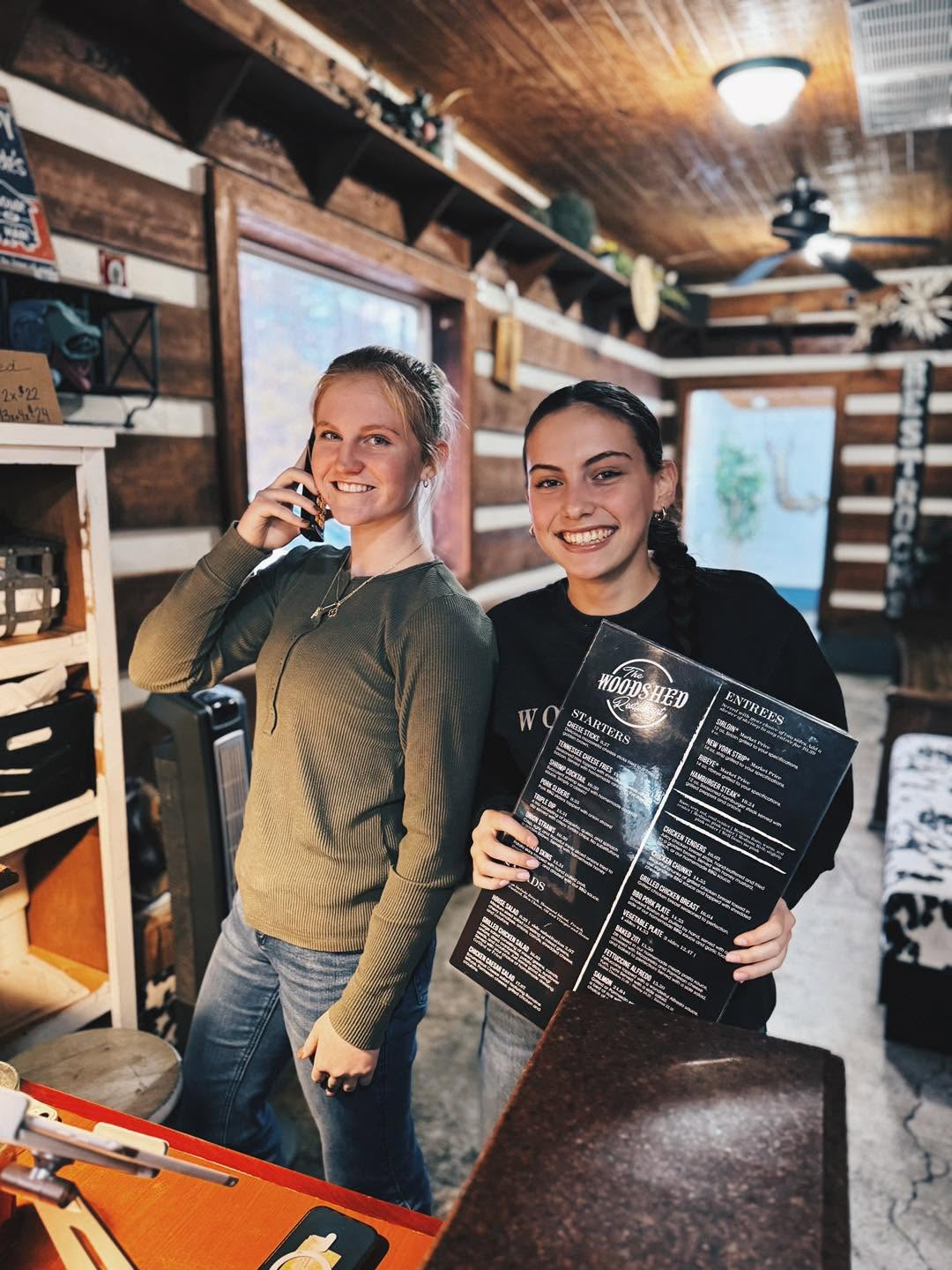
Woodshed staff members with a restaurant menu
The short answer

What matters most

Good communication from a restaurant provider should clearly explain the next step, timing, responsibilities, decisions, pricing changes, progress updates, and who to contact when questions arise. You should understand what they will do, what they need from you, how and when you will hear from them again, and how any changes will be handled and confirmed.

Good communication from a restaurant provider should make the next step, timing, responsibilities, and remaining decisions easy to understand.
Your first exchanges with a provider—how they respond, what they restate, and whether they explain the next step—offer a clear window into how they will communicate later.
Clear explanations of timing and scope help you see how your meal or event will actually unfold, instead of leaving you to guess about when and how things will happen.
Using communication quality as a decision tool can protect you from confusion and stress, especially when plans change or your event is especially important.
Around Newport and nearby Smokies destinations, straightforward conversations about timing and logistics help keep food plans aligned with travel and other commitments.
The Woodshed team ready to help with catering
A useful way to think about it

A Practical Guide to Clear Restaurant Communication

Clear communication around food and events is mostly about removing guesswork. Use this guide as a reference for what a restaurant or catering provider should cover, in plain language, so you are not piecing together important details on your own.

1. Before you commit: what the first reply should cover

Your first real interaction with a restaurant or caterer—whether it starts with a call, an email, or an online form—sets the tone for everything that follows. A clear reply should restate the basics of what you asked for, such as date, time frame, and type of meal, and confirm whether they need more information from you. It should also spell out the immediate next step, like checking availability, drafting menu ideas, or scheduling a time to talk in more detail. By the end of that first exchange, you should know what they are doing next, what they need from you, and when you can expect to hear back again.
2. Explaining timing and scope in everyday language

Before you agree to anything, the provider should explain timing and scope in a way that matches how the meal or event will actually unfold. For a restaurant reservation, that might include when your table is expected to be ready and how long your group can reasonably plan to stay. For catering, it should cover when staff will arrive, how long setup takes, when food will be served, and when cleanup is expected to wrap up. Good communication keeps these details in one clear thread or document instead of scattered across multiple conversations so you are not guessing about basic timing.

3. Decisions, responsibilities, and how they will be confirmed

Misunderstandings usually grow in the space where no one has clearly said who is doing what. A communicative restaurant or caterer will spell out which tasks they own and which ones stay with you, your venue, or another vendor. They should be specific about decisions that still need to be made—such as final headcount, menu selections, or serving style—and how and when you should confirm each one. You should also know who on their team can approve changes, and who on your side they should talk with so that updates do not get lost.

Decision guide

Using Communication to Decide Who You Can Trust

Once you know what solid communication should include, you can watch how each restaurant or caterer measures up. This section shows how to use their responses, clarity, and follow-through as a decision tool—not just their menu or photos.

Watch how they respond, not just what they say

The way a provider handles basic questions is often more telling than any marketing language. Notice whether they respond in a timeframe that matches the urgency of your request, and whether their reply directly addresses what you asked. Look for concrete details instead of vague reassurances. When you ask about timing, for example, a helpful answer explains what they will check and when you will hear back, rather than simply saying that something “should be fine.”

Look for clear explanations when plans change

Meals and events often shift as you go: guests are added, plans move earlier or later, or part of the day is rearranged. A provider that communicates well will be willing to explain, step by step, what a change means for timing and cost. They should be open to restating the plan once you make a decision, so there is a shared understanding of what has actually been updated. This is less about getting every change you want and more about making sure you are never surprised by how it is handled.

Treat ongoing confusion as a real risk, not a minor nuisance

If you repeatedly walk away from conversations unsure about timing, responsibilities, or cost, that confusion is a signal. Patterns like conflicting answers from different people, missing information in follow-up messages, or reluctance to talk through logistics can make the days leading up to your meal or event unnecessarily stressful. It is reasonable to decide not to move forward if you cannot get plain, consistent explanations about the basics.

Ask them directly how they keep customers informed

You do not have to guess how a restaurant or caterer prefers to communicate. You can ask questions such as who your main point of contact will be, how they usually share updates, and when they tend to check in as the date approaches. Their answers should give you a realistic sense of what it feels like to work with them. The goal is not to test them against a perfect script, but to understand whether their style of communication lines up with what makes you feel prepared.

Evidence and expectations

Real-World Signals from a Newport Restaurant

You cannot see every inner process at a restaurant, but you can look at the information they share and how guests describe their experience. These examples come from what The Woodshed Restaurant & Catering has published about itself and from one public review.

A long-running local restaurant and catering team

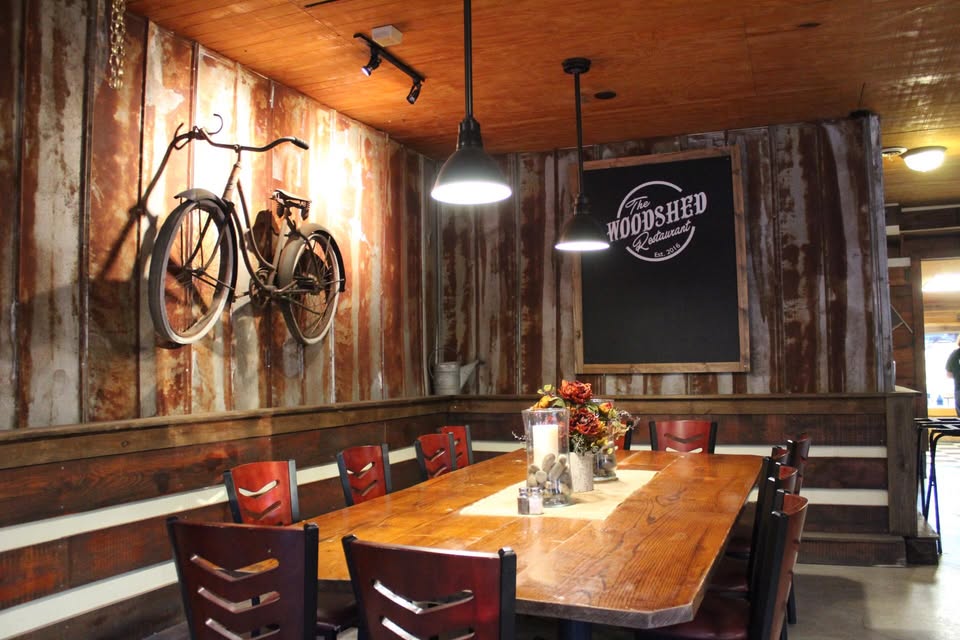
The Woodshed Restaurant & Catering describes itself as having served East Tennessee since 2016 and as a local favorite restaurant and catering spot in Newport, Tennessee. From its Newport base, it offers generous local favorites for in-restaurant dining and provides catering for weddings, private celebrations, and corporate or community events in the surrounding region.

Deep ties with staff over a decade in business

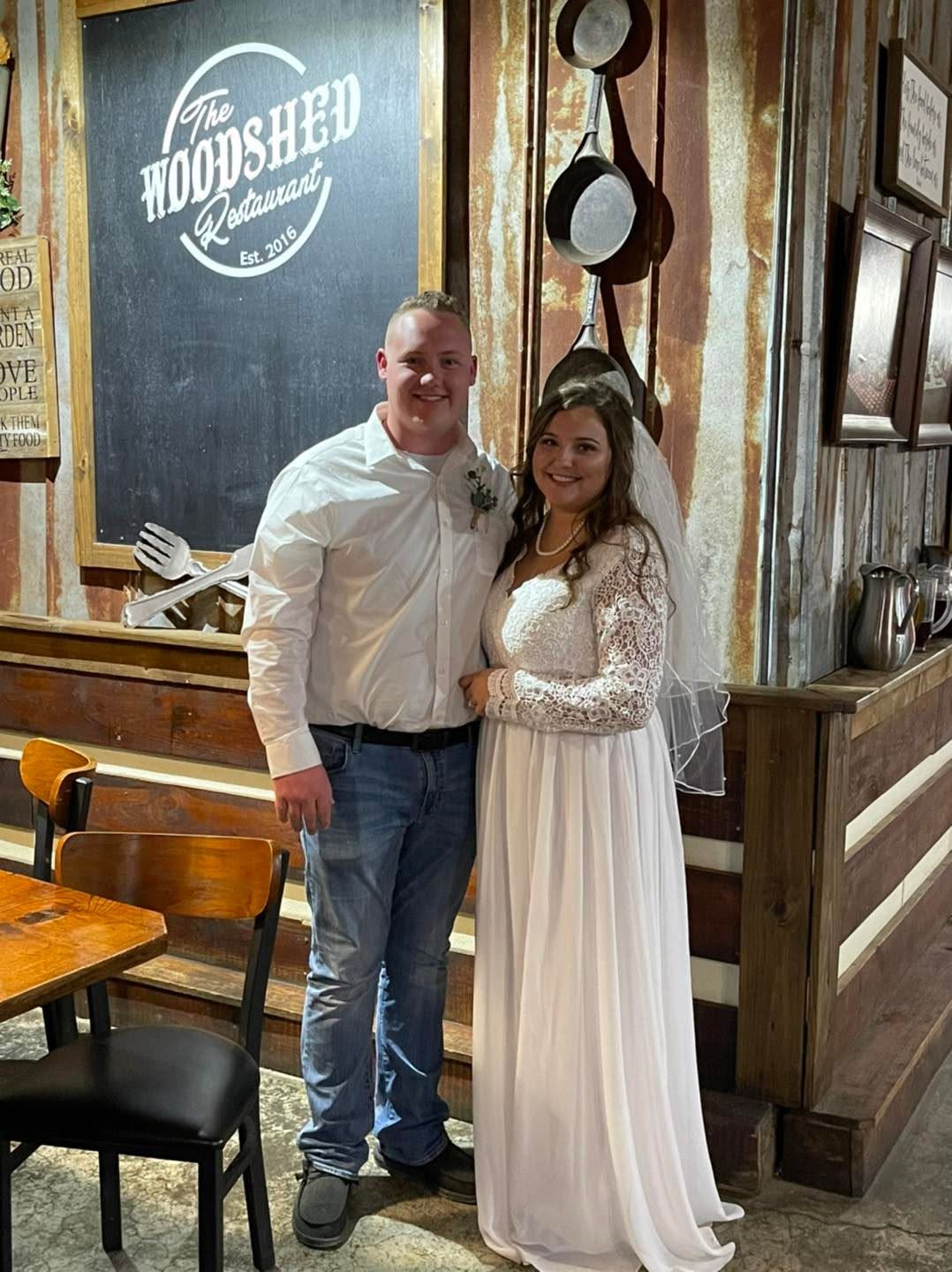
In describing its history, the restaurant notes that many front-of-house team members over its first ten years have gone on to careers as registered nurses, radiography technicians, nurse practitioners, maintenance workers, utility workers, and teachers. Several former team members met their spouses while working there, and there are now multiple “Woodshed grandbabies.” The owners say they view their team as family, reflecting a long-term connection between the restaurant and the people who have worked there.

A guest review highlighting helpful in-person guidance

One public five-star Google review from a non-local guest describes arriving at the Cosby Highway area and initially not realizing where to go for the restaurant. A staff member helped by directing them to the correct location. The reviewer also notes that everything they ate was “delicious” and “very well seasoned,” and that dessert finished the meal on a high note. They closed by saying they planned to return when they were back in the area.

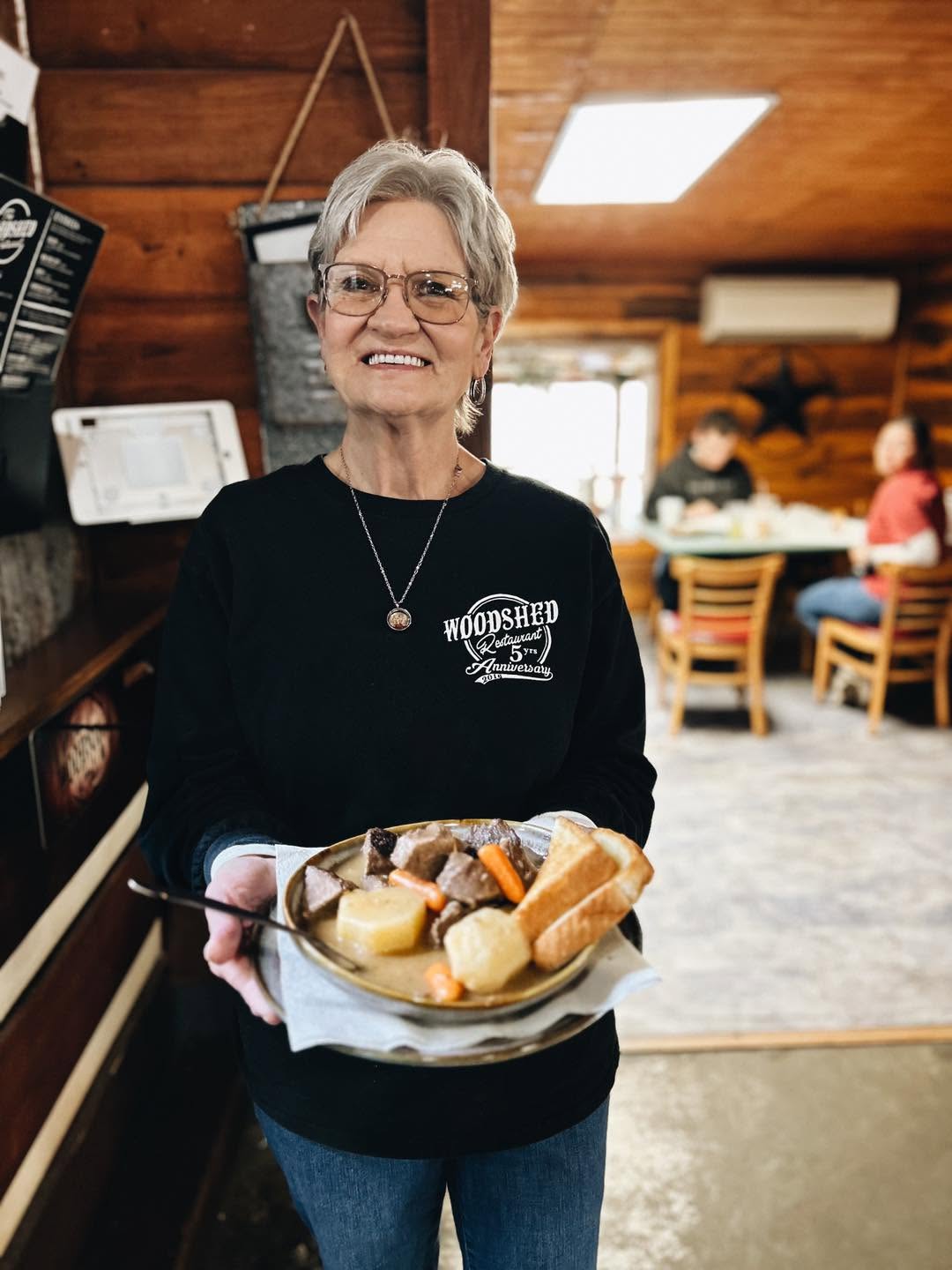
The Woodshed team serving generous catered meals
Main website image
Local context · Newport, TN

Why Communication Matters Around Newport and the Smokies

Meals and events in and around Newport often connect to travel through nearby Smokies destinations such as Gatlinburg, Pigeon Forge, Sevierville, and Cosby. Guests may be driving mountain roads, juggling check-in times, or fitting a sit-down meal into a longer trip. Clear communication from a restaurant provider helps you line up food with everything else that is happening—when to arrive at the Cosby Highway area, how long a meal is likely to take, or what time food needs to be served at an event in the region. When you talk with a local team, ask how they discuss timing and logistics for guests coming through these areas, and how they make sure everyone understands when and where food will be ready.

Questions worth asking

Restaurant Communication: Common Questions

Planning a dinner, wedding, or work event usually raises similar worries about staying informed. These questions dig into parts of communication that often go beyond a basic menu or price list.

How clear should communication be before I agree to a date or menu?

Before you agree to a date, time, or menu with any restaurant provider, you should understand what they are committing to do and what they need from you. That includes when they are available, the general shape of the meal or service, any information they still require, and when those details are due. If you cannot explain the plan back to someone else in your own words, it is reasonable to ask for a clearer summary before you say yes.

What information should I expect them to repeat back to me?

A helpful restaurant or caterer will usually repeat back key details so everyone can confirm they are on the same page. That often includes your name and contact information, date and time frame, approximate guest count, type of gathering, and whether you need in-restaurant dining or food served somewhere else. Hearing these basics restated lets you correct anything that was missed or misunderstood early in the process.

How should they talk about potential price changes?

Even when exact pricing is not discussed right away, it is fair to expect a clear explanation of what might affect the final amount. A provider can walk through factors such as guest count, menu choices, service style, and distance to an event location, and explain which changes are likely to increase or decrease cost. They should also tell you when they will be able to give more specific figures, so you are not left wondering when a real estimate will arrive.

What kind of updates should I expect as the date gets closer?

For a simple reservation, you might only receive a confirmation and a reminder if anything significant changes. For a larger meal or catered event, you can reasonably expect a check-in when important decisions are due—such as final headcount or menu choices—and a final confirmation as the date approaches. The exact schedule may vary, but you should not have to chase the provider repeatedly just to confirm that plans are still on track.

How should concerns or special requests be handled in conversation?

If you have a concern or a special request, such as timing around a ceremony or a serious food allergy, it should be taken seriously and talked through in specifics. That might mean explaining what they can and cannot do, asking follow-up questions, or noting the request in whatever document or message you are using to confirm plans. You should come away knowing whether they can accommodate the request and how it will be handled, rather than hoping it was understood.

Your next step

Ready to Talk Through Your Plans Plainly?

If you are planning a meal or event in East Tennessee, you can expect clear communication about timing, responsibilities, and next steps from any provider you consider. The Woodshed Restaurant & Catering in Newport has been serving generous local favorites and dependable catering since 2016, from its location at 2593 Cosby Highway. You can use their contact or booking pages to share what you are planning and ask specific questions about how they would communicate with you from your first inquiry through the day of your meal or event.

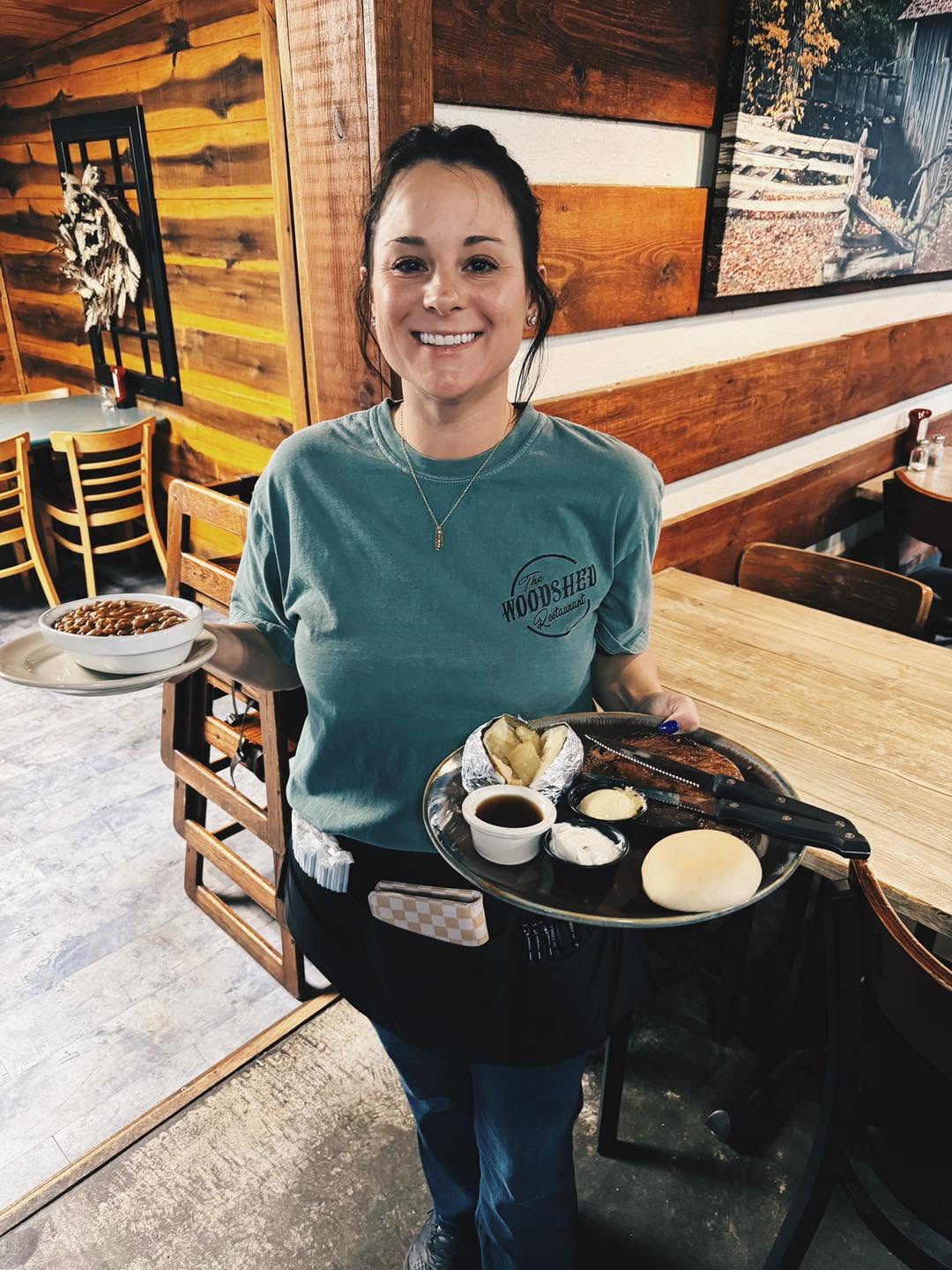
Woodshed server carrying two meals