Before You Commit to a Meal or Event

What to Review Before You Sign

A restaurant proposal or catering agreement is more than a menu and a total. It is the written plan for what will happen on your date, who is responsible for each part, and how changes and problems will be handled. This page walks through the key items to review so you can sign based on clear expectations instead of guesswork.

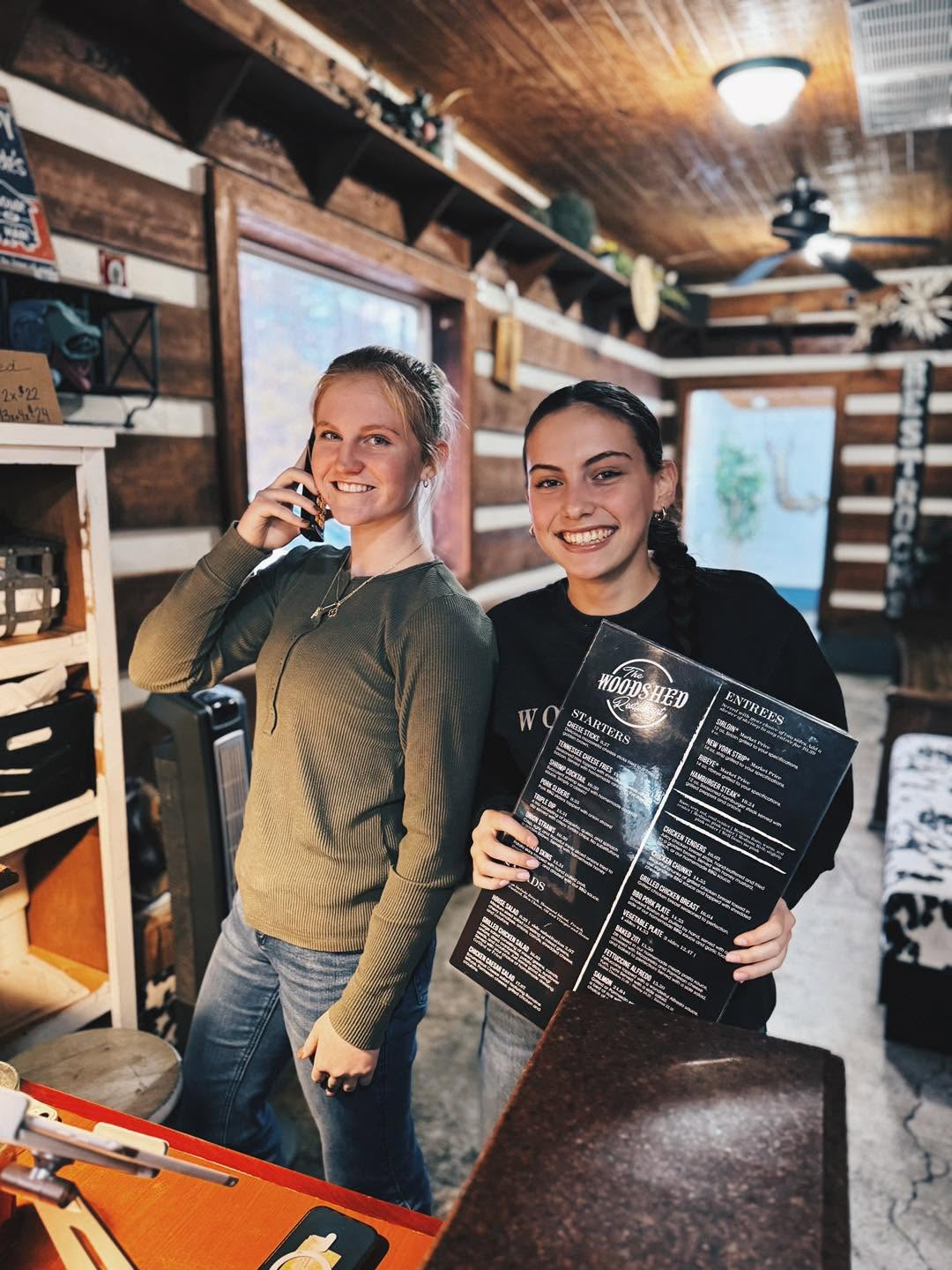
Woodshed staff members with a restaurant menu
The short answer

What matters most

Before signing with a restaurant or catering provider, confirm the complete scope of service (what is and is not included), the schedule and timing, and the responsibilities for both you and the provider. Check that the total price and how it was calculated are clear, along with payment timing and methods. Make sure there is a written process for changes and guest-count updates, and that cancellation and refund terms are spelled out. Finally, see that any promises about communication, on-site support, or follow-up are documented, not just mentioned in conversation.

Use the result you need from your meal or event as the lens for reviewing any restaurant or catering agreement.
Scope of service, schedule, responsibilities, and financial terms should all be clear and specific before you sign.
Verbal promises about menu details, timing, or special requests should appear in writing in the agreement.
Change and cancellation terms need to be understood up front so you know how schedule or guest-count shifts will be handled.
Around Newport and the Smokies, written details about location, travel, and timing are especially important because of regional traffic and distance considerations.
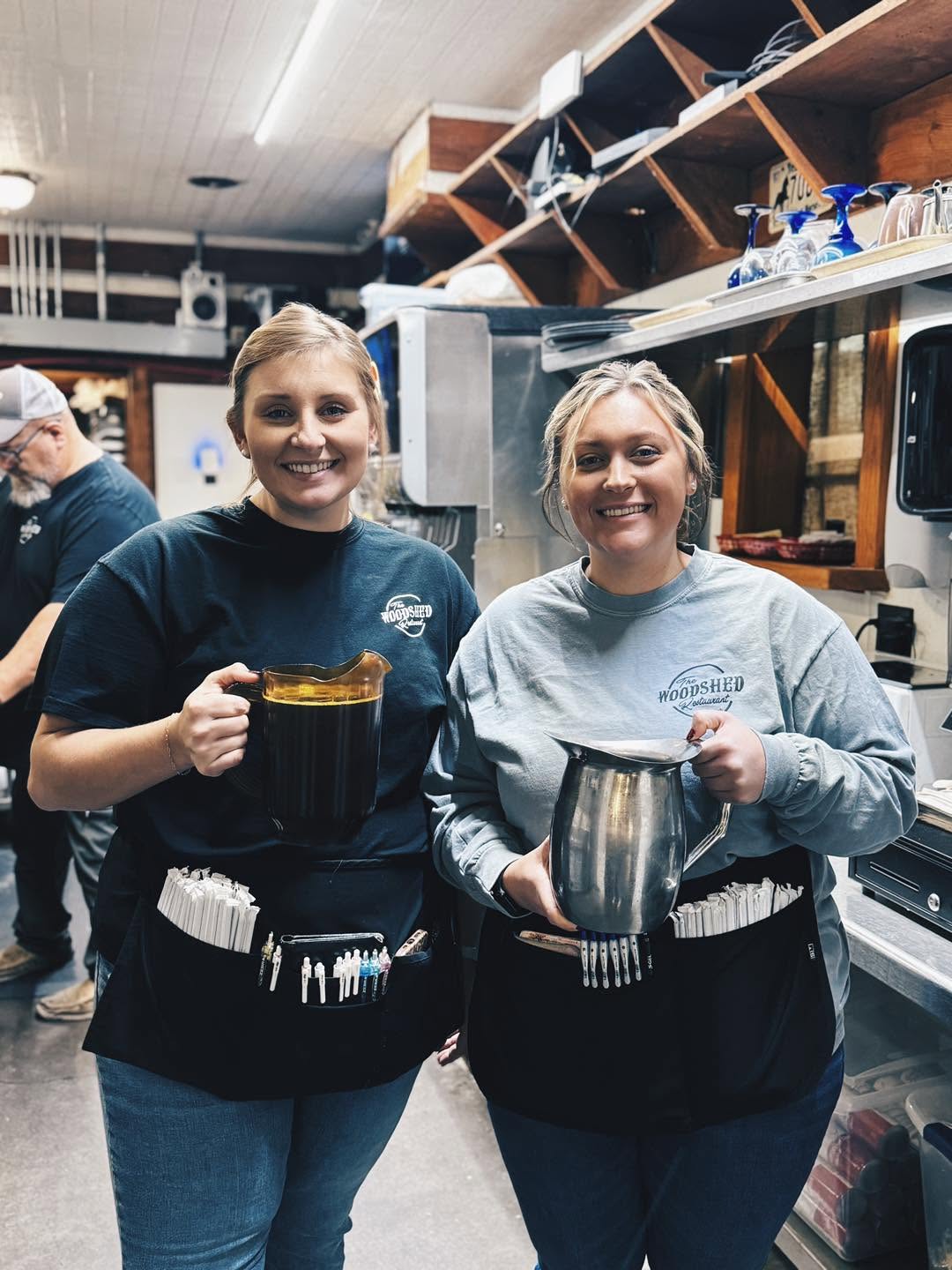
The Woodshed team ready to help with catering
A useful way to think about it

A Clear Guide to Reviewing a Restaurant or Catering Agreement

Use this section as a step-by-step walkthrough of the major areas to review in any restaurant or catering agreement so the document matches the meal or event you actually have in mind.

Start with the Result You Need, Not Just the Menu

Before you read a single clause, write down in plain language what you want this meal or event to accomplish. You might be feeding family on a travel day, celebrating a wedding, or hosting a work gathering. Then read the agreement with that result in mind. If everything happens exactly as written, will it deliver what you need? For example, if you want a relaxed evening, check whether the reserved time window is long enough. If it is important that guests with dietary restrictions feel included, look for specific references to those needs rather than vague statements.

Clarify the Full Scope of Service

Scope describes what the provider is actually agreeing to do. Read that section carefully and list what is clearly included. Look for details such as whether the provider is only preparing and dropping off food, or also handling setup, serving, and cleanup. For in-restaurant group dining, see whether the agreement mentions a private room, a defined section, or regular seating. Just as important are the boundaries. If you care about items like tableware, linens, decorations, or beverages, check whether they are included, available for an extra charge, or outside the provider’s role. Anything that matters to your plans should be described in writing rather than left to assumption.

Review Schedule and Timing in Real Detail

Most agreements list a date and start time, but you often need more than that. Look for sections that describe when the team will arrive, how long setup and service will take, and when they expect to be finished. For restaurant reservations, confirm when your group is expected to arrive, how long the table is reserved, and whether there are any time limits during busy periods. For catering, check the planned service time against your own schedule for ceremonies, speeches, or meetings. If you see gaps or vague phrases like “as needed” where you need specifics, ask for a clearer description before you sign.

Decision guide

How to Use Your Review to Decide Whether to Sign

After you understand what the agreement says, the next step is deciding whether it truly fits your plans and comfort level. This section helps you turn what you read into a clear yes, no, or request for changes before you commit.

Compare the Written Scope to Your Actual Plan

Once you understand the document, compare it to what you are actually planning. Make a short list of essentials: your guest count range, how you expect food to be served, whether you need help with setup or cleanup, and any special moments such as toasts, presentations, or a ceremony. Then look back at the agreement. Which of those essentials are clearly described, and which are missing? If something important to you is not mentioned, do not assume it is included. Ask the provider to confirm it in writing or prepare a revised agreement that covers it.

Test the Pricing and Payment Terms Against “What Ifs”

Read the pricing and payments section with a few simple scenarios in mind. What if your guest count is a little higher or lower than expected? Are there minimums or thresholds that change the total? How are taxes, service charges, and any optional gratuities described? Next, look at deposits, due dates, and refund rules. Note when money is due and under what conditions it is refundable. If any part of the pricing or payment language feels hard to explain to someone else, it is a sign you may need clearer wording or a follow-up explanation before you decide to sign.

Look Closely at Change and Cancellation Terms

Plans shift. An agreement should explain how changes and cancellations will be handled for your booking. Look for deadlines to update guest counts, menu choices, or timing, and note whether fees apply after certain dates. Read the cancellation section slowly so you understand how far in advance you can cancel, what portion of any deposit is kept, and what happens if you need to move the date. If the provider explains different rules in conversation than what you see on the page, ask for the document to be updated before you accept it.

Use the Review to Judge Communication Style

How a provider handles your questions about the agreement shows you a lot about what working with them will feel like. After you mark items that confuse you or need more detail, pay attention to the response. Do they address each question directly and make revisions where needed, or do they gloss over concerns? Are they comfortable putting clear promises in writing? Choose based not only on the wording of the document, but also on whether the process of clarifying it feels respectful and straightforward.

Evidence and expectations

Evidence and Examples: Why Careful Review Matters

Careful review is easier to justify when you can see how it connects to real providers and real guests. Here are examples drawn from a Newport restaurant and catering team, and how you can use similar proof when deciding what to sign with any provider.

A Local Example of Long-Term Focus

The Woodshed Restaurant & Catering in Newport describes itself as a local favorite that has been in business for about ten years and as serving East Tennessee since 2016. In that time, many team members have stayed connected even after moving on to careers such as nursing, radiography, teaching, maintenance, and utility work. The owners talk about their staff as family and note that several former team members met their spouses while working there and now have what they call Woodshed grandbabies. This kind of long-term presence does not replace careful contract review, but it shows how some providers build deep ties with their staff and community. When you look at any agreement, you can use information about years in business and local roots as context for the level of responsibility you expect from the team signing with you.

What a Real Guest Noticed About Their Visit

In one published Google review, a visiting guest describes arriving at The Woodshed without knowing exactly where to go, receiving helpful guidance from a staff member, and enjoying food they found delicious and well seasoned, with dessert topping off the meal. The reviewer notes they plan to return when they are back in the area. A single review cannot predict every experience, but it highlights the value of reading about how a team treats guests in practice. As you consider any provider, compare what you see in their reviews with what is promised in the agreement, especially around hospitality, timing, and overall experience.

Using Public Information to Shape Better Questions

Details such as how long a provider has been open, whether they serve both in-restaurant diners and catered events, and how guests talk about them online can help you frame sharper questions before you sign. For example, if a restaurant describes itself as a regular choice for weddings, private celebrations, or corporate and community events, you can ask to see sample agreements from similar gatherings. That lets you see how they usually describe scope, timing, responsibilities, pricing, and changes in writing, rather than relying only on marketing language.

The Woodshed team serving generous catered meals
Main website image
Local context · Newport, TN

What to Review if You Are Booking in Newport and the Smokies

Around Newport and nearby Smokies communities, restaurant and catering agreements often involve travel, busy weekends, and guests coming from different places. That makes it especially important to read location and timing details closely. Start with the service location. Confirm in writing whether your plan is a sit-down meal at a fixed address in Newport or catered service at another site in the region. Off-site events can require extra setup time, specific directions, or parking instructions, and those details should appear in the agreement. Next, look at timing in light of local traffic and travel patterns. If your meal or event lines up with weekends, holidays, or peak tourism around areas such as Gatlinburg or Pigeon Forge, check that the arrival and service windows feel realistic. Ask the provider to spell out when they plan to arrive, when food will be served, and what happens if travel delays affect the schedule. Finally, confirm how day-of communication will work for your particular situation. If guests are driving in from places like Cosby, Sevierville, or across East Tennessee, make sure the agreement names a clear point of contact and a method for sharing any updates. When those practical pieces are written down, it is easier to keep everyone aligned on the day of your meal or celebration.

Questions worth asking

Questions People Ask Before Signing with a Restaurant Provider

These questions often come up right before someone signs or accepts a restaurant or catering agreement. Use them to double-check that the document in front of you matches what you expect.

Do I always need a written agreement for a restaurant or catering booking?

For everyday dining with a small group, formal contracts are uncommon. A clear reservation confirmation and an understanding of how the restaurant handles waits or large parties may be enough. Once you move into group reservations, private rooms, or catered events with a specific menu, guest count, or minimum spend, it is wise to have the plan in writing. That document might be a signed proposal, a short contract, or a detailed email confirmation. The important part is that scope, timing, responsibilities, and financial terms are written down so you can both refer back to them.

What details about the menu should I confirm before signing?

Menu language should be specific enough that you know what will be served and how. Check that the agreement lists the dishes or style of food you discussed, how many choices guests will have, and how food will be served, whether plated, buffet, family-style, or another format. If you talked about dietary needs, children’s options, or late-night food, look for those in writing. Ask how substitutions or unavailable items will be handled and whether you will be consulted before changes are made. Clear menu descriptions reduce the chances of confusion on the day of service.

How should I handle service charges and gratuities in the agreement?

Different providers describe service charges and gratuities in different ways, so it helps to read those sections closely. Look for an explanation of any service charge, including what percentage is applied and what it covers, such as staffing, setup, or administration. Check whether gratuity is optional, suggested, or included as a preset percentage. If the language leaves you unsure what is mandatory and what is optional, ask for a short clarification in the document so you can plan your budget and explain the bill to anyone sharing costs with you.

What if my guest count is still uncertain when I receive the agreement?

If your headcount is still shifting, look for language that accounts for estimates and updates. Some agreements use a range instead of a fixed number or set a deadline for final confirmation. Ask how your total will change if the final guest count is higher or lower than the estimate. Clarify whether there are per-person charges, minimum spend requirements, or thresholds that trigger additional staffing or equipment. Having those rules in writing makes it easier to adjust plans without unwanted surprise costs.

Can I negotiate parts of a restaurant or catering agreement?

In many situations, the document you first receive is a starting point. If certain terms do not fit your needs, you can usually ask whether there is flexibility. Be specific about what you would like to adjust, such as timing, scope, or particular fees, and explain why the change matters to your plans. Not every request will be possible, but you should expect a clear answer. Any agreed changes should appear in an updated document or addendum that everyone receives before you consider the agreement final.

Your next step

Ready to Talk Through an Agreement with a Local Team?

If you are planning a meal or event in or around Newport, you can review your plans with the team at The Woodshed Restaurant & Catering on Cosby Highway. They serve generous local favorites in the restaurant and cater weddings, private celebrations, and corporate or community events across the surrounding area. You can browse the current menu, read more about their history in the community, or use the online booking links to start an event request. As you talk through scope, timing, and support, keep this page handy as a checklist and ask to have the details you agree on reflected in writing. To take the next step, visit their website to learn more, submit an event request online, or call the Newport location to begin shaping an agreement that fits the meal or gathering you have in mind.

Woodshed server carrying two meals