For Newport diners and East Tennessee hosts

Planning a Realistic Budget

Whether you are planning a casual dinner, a wedding reception, or a company gathering, the most stressful part is often the budget. You know you need good food and dependable service, but you do not want to be surprised by the bill. This guide walks through how to build a realistic budget for restaurant dining and catering, how to think about scope and priorities, and how to share the right details so any quote reflects the real work involved instead of a rough guess.

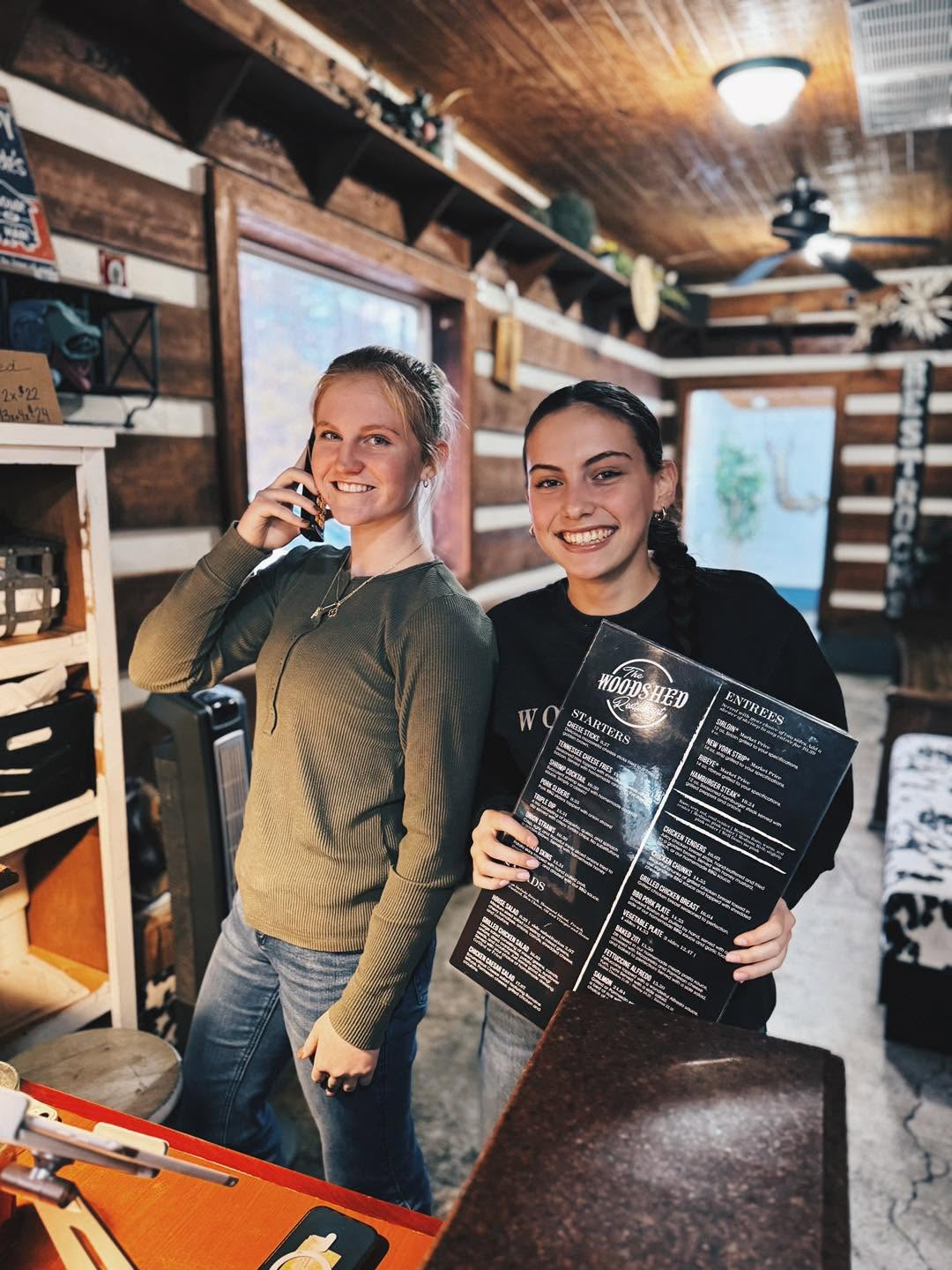
Woodshed staff members with a restaurant menu
The short answer

What matters most

A realistic budget for a restaurant or catering provider starts with the outcome you need and a complete picture of the work involved. Clarify your required result, guest count, date and timing, location, and how you want food and service to work. Then define responsibilities: what you expect the provider to handle and what you or your venue will handle. Add your quality expectations, any special requests, and risks that could drive cost up, such as tight timelines. Share these details when you request a quote so proposals reflect the full scope, timing, responsibilities, and included support, not an incomplete estimate.

Start your restaurant or catering budget by defining the purpose and feel of your meal or event, not by guessing a number.
A clear scope that covers guest count, location, timing, and service expectations leads to proposals that better match the work involved.
Decisions about menu style, service level, and how responsibilities are divided can move your budget up or down while still protecting the experience that matters most.
Asking directly about change policies, minimums, and what is included in writing helps prevent surprise charges later.
In and around Newport and nearby communities, your event location, timing, and length of service should be shared clearly so any quote can reflect how those details fit into the overall plan.
The Woodshed team ready to help with catering
A useful way to think about it

Step-by-step guide to planning your restaurant or catering budget

Instead of picking a number and hoping it works, you can build a budget the same way restaurants and caterers think about their work. Use these steps to turn a vague idea into a grounded spending plan—whether you are booking a table in Newport or arranging full-service catering for an event in East Tennessee.

1. Start with the outcome, not the number

Before you talk dollars, get clear on what you are trying to achieve. Are you picturing a casual dinner for four, a wedding reception, a family reunion, or a corporate training day? Each has different expectations for food, timing, and service. Write down the purpose of the meal or event and the feeling you want guests to have, such as relaxed and come-and-go or more formal and seated. Note whether hearty local favorites, menu variety, or something else is most important. This outcome-focused view becomes the anchor for every other budget decision and helps you and the restaurant speak the same language once you start requesting quotes.
2. Define the scope in practical terms

Scope is simply a clear list of what you are asking the restaurant or caterer to do. For restaurant dining, that might be seating a group and serving from the regular menu. For events, scope can include menu planning, cooking, transport, setup, buffet or table service, refills, dessert, and cleanup. Make a plain-language list: number of guests, type of food service you picture, whether you need drinks or desserts included, how long you expect food service to last, and whether you need any special setups. The more detailed this scope is, the easier it is for a provider to price accurately and point out ways to adjust the plan to match your budget.

3. Pin down timing, location, and guest count ranges

Three details have an outsized impact on how a budget comes together: when, where, and for how many. Even if you are still flexible, record a target date and time, the general location or venue, and a realistic guest range instead of a single number. For example, writing down 50–60 guests on a Saturday evening in a specific town gives a restaurant or caterer far more to work with than a vague group description. Ask how date, time of day, and travel distance are usually handled in their quotes so you understand how those factors show up in your budget.

Decision guide

Making smart tradeoffs inside your budget

Once you understand what shapes cost, the next challenge is choosing what to prioritize. These decision points help you direct your budget toward the parts of the meal or event that matter most to you, while keeping the final bill predictable.

Choose where to invest: food variety, service level, or convenience

Most budgets cannot maximize everything at once, so choose your top priorities. Some hosts care most about wide menu variety, including special dishes. Others care more about full-service support so they can focus on guests. Some value convenience: simple, generous favorites served efficiently. Rank what matters most to you, such as menu variety, premium ingredients, full-service staffing, or flexibility for guests who come and go. Share that ranking with the restaurant or caterer and ask where tradeoffs are possible. For instance, a simpler menu may free up budget for extra staff, or choosing crowd-pleasing dishes might let you serve more guests without stretching too far financially.

Clarify who is responsible for what

Many unwelcome budget surprises come from assumptions about who is handling which pieces of the event. Before you approve a proposal, ask for a clear breakdown of responsibilities. Who handles plates, utensils, and serving equipment? Who manages drink refills, clearing tables, and trash? Does the provider stay for the entire event or leave after setup? For restaurant dining, confirm whether anything about your group size or timing counts as a special arrangement rather than a normal meal from the menu. Once you know what the provider covers and what falls to you or the venue, you can decide whether you need to allow extra budget for rentals, additional help, or cleanup support.

Decide how to handle risk and last-minute changes

No event goes exactly to plan. Guests may cancel late, extra people may show up, or timing could shift. All of these can affect cost. Ask any restaurant or catering provider to explain how they handle headcount changes, timeline shifts, or venue changes and how those changes might appear on the bill. Is there a deadline for final guest count? Are there minimums you will be charged even if fewer people attend? Are there fees for moving the date or time once you are on the calendar? Understanding these policies ahead of time lets you build a small contingency into your budget and make informed choices about how firm your plans need to be.

Consider the difference between dining in and full catering

For some gatherings, reserving space at a restaurant during posted hours may fit both your plans and your budget better than arranging off-site catering. For others, traveling to a restaurant is not realistic and you need food brought to your venue. As you budget, compare what each option includes. Restaurant dining generally centers on ordering from the menu at the restaurant location during regular hours, while catering can involve transport, setup, and service in another setting. Instead of assuming one is less expensive, ask for clear explanations of what each scenario would involve based on your guest count, timing, and location. Then weigh that information against how you want your gathering to feel and how much coordinating you are prepared to do.

Evidence and expectations

What we know about The Woodshed’s track record

Budget decisions feel easier when you can see how a provider has served real guests over time. Here is what is documented about The Woodshed Restaurant & Catering’s history and guest experience, and how that context can support your planning.

Years of serving East Tennessee gatherings

The Woodshed Restaurant & Catering has been serving East Tennessee since 2016 and describes itself as a local favorite restaurant and catering spot in Newport, Tennessee. From its Cosby Highway location, it provides in-restaurant dining and catering for weddings, private celebrations, and corporate or community events across the surrounding Gatlinburg and Pigeon Forge area. This history shows that the team regularly supports both everyday meals and a wide range of gatherings for local residents and visitors.

A team rooted in the local community

The Woodshed highlights that many front-of-house team members are high school or college students or teachers, reflecting a purpose of empowering youth and supporting educators. Over ten years in business, some former team members have gone on to careers as registered nurses, radiography techs, nurse practitioners, maintenance workers, utility workers, and many teachers. Several former team members met their spouses while working together at the restaurant, and there are now multiple “Woodshed grandbabies.” This people-focused story illustrates a long-standing connection between the restaurant and its staff and community.

Documented guest satisfaction

One documented 5-star Google review from a visitor notes that, once they found the restaurant, everything was delicious and very well seasoned, and that dessert topped off the meal. The reviewer closed by saying they would be back when in the area. While every event is unique, this kind of public feedback shows that at least some guests have felt their dining experience delivered enough value that they were willing to recommend it to others.

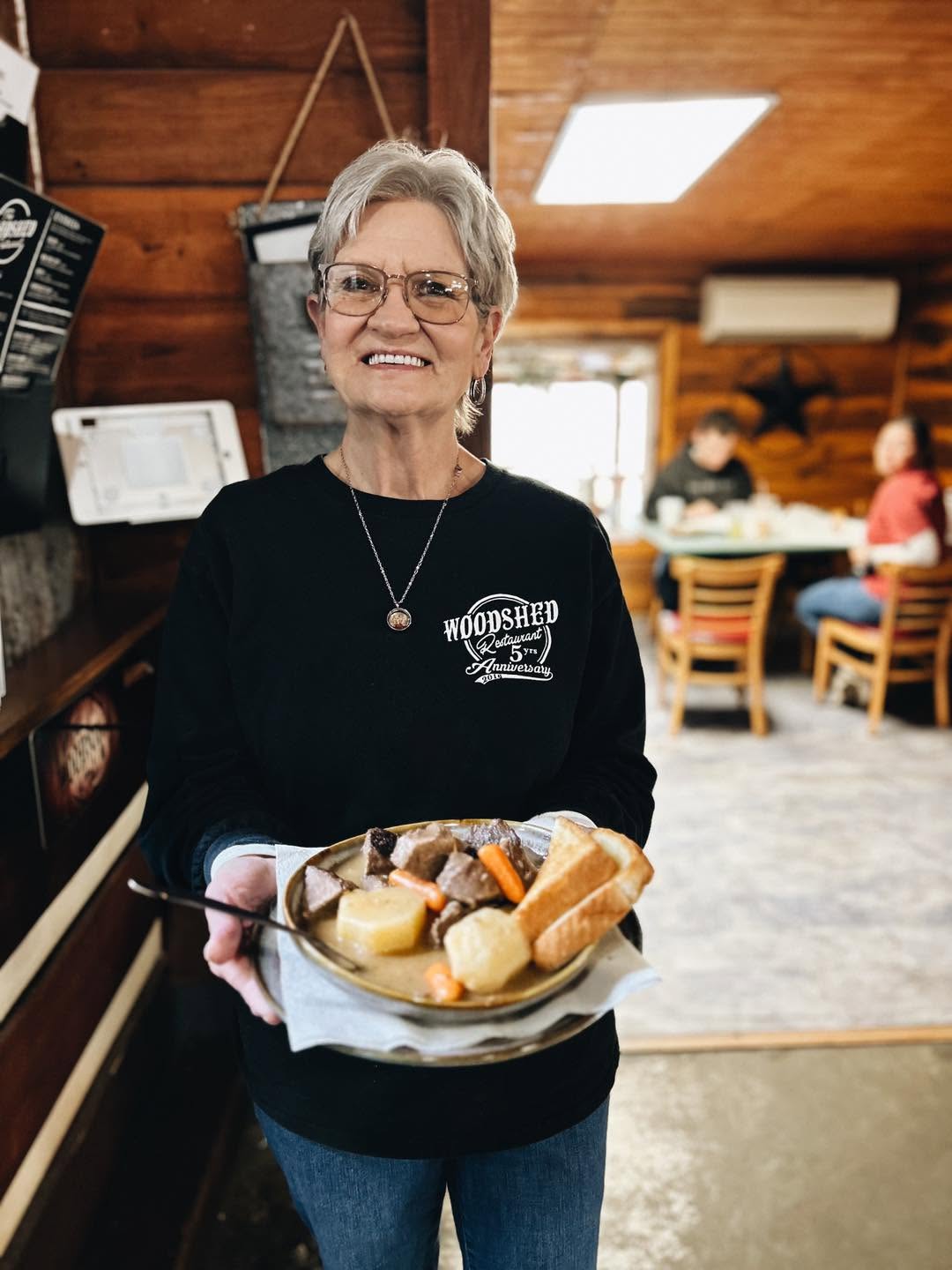
The Woodshed team serving generous catered meals
Main website image
Local context · Newport, TN

Budgeting with Newport and nearby communities in mind

The Woodshed Restaurant & Catering serves Newport from its Cosby Highway location and provides dining and catering for guests and event clients from nearby areas such as Gatlinburg, Pigeon Forge, Cosby, Sevierville, and surrounding mountain communities. When you build a budget for an event in or around these areas, note where your gathering will take place and how that compares with the Newport base. If you are planning off-site catering, share the town or venue area, your date and time, and how long you expect food service to last. Ask plainly how location, timing, and length of service are handled in their proposals so your budget lines up with the way travel, setup, service, and cleanup are planned for your specific event.

Questions worth asking

Budgeting questions people often ask

As hosts start turning ideas into numbers, specific concerns come up about deposits, changes, and how to keep a budget realistic. These questions focus on how to turn provider quotes into a clear plan you can rely on.

How can I start budgeting if I do not know my exact guest count yet?

You do not need a perfect headcount to begin. Start with a realistic range based on your invite list, such as 40–50 or 80–100 guests. Share this range with the restaurant or caterer and ask how it affects pricing. Many providers can give you a per-person or tiered structure and then ask for a final confirmed count closer to the event. Ask for their deadline for final numbers and whether there are minimum charges even if fewer people attend than you expect. Then build your budget using the higher end of your range so you are protected if more guests accept than you planned.

What should I ask to avoid hidden costs in a catering quote?

Ask very direct questions about what is and is not included. For example, ask whether setup, serving staff, cleanup, and basic disposables or tableware are part of the quoted amount. Clarify whether travel to your specific venue is included or billed separately. Ask if there are extra charges for special menu items, extended service times, last-minute headcount changes, or working alongside other vendors at your venue. Request a written outline of all line items and any situations that might change the price. If something is important to you, such as desserts or non-alcoholic drinks, confirm whether it is explicitly listed or would be an additional cost.

How does budgeting differ for a restaurant meal versus a catered event?

For a regular restaurant meal, your budget often centers on menu prices, tax, gratuity, and any drinks or extras you choose on-site. You may also want to ask whether large groups are handled differently or require a set menu. For a catered event, budgeting usually covers more categories: food preparation, transport, setup, service staff, equipment, and cleanup, plus any venue-specific requirements. You may not see individual menu prices the way you do in a restaurant, because the provider is bundling food and service into a proposal. In both cases, you should still ask the same core questions about what is included, how timing affects cost, and how changes will be handled.

Can I get a ballpark number before I share all my details?

Some restaurants and caterers may be able to offer rough starting points, but those numbers are often very general. Without knowing your guest count, timing, location, and service expectations, any ballpark is likely to change. A better approach is to share at least the basics—purpose of the gathering, size range, approximate date and time, and general location—so the provider can give you a more meaningful range. You can also tell them honestly what you hope to spend and ask what is realistically possible within that amount. The clearer you are, the more helpful their early guidance will be.

How far in advance should I set my budget for an event in this area?

You will get the most useful answers if you start setting your budget as soon as you have a likely date range and guest estimate. Early conversations help you understand what different options might cost and whether your initial budget needs to shift. Once you select a provider and receive a detailed proposal, you can refine your numbers and set aside funds for deposits and final payments. Starting this process earlier gives you more room to adjust plans if the first round of quotes comes in above your expectations.

Your next step

Ready to turn your ideas into a real quote?

If you are planning a meal or event and want a budget that reflects real options, share your details with the Newport team for a tailored quote. Explain your guest count, timing, location, and priorities so the proposal can match the scope you have in mind. Use the online booking or contact pages to start the conversation, or call during open hours if you prefer to talk through your plans directly.

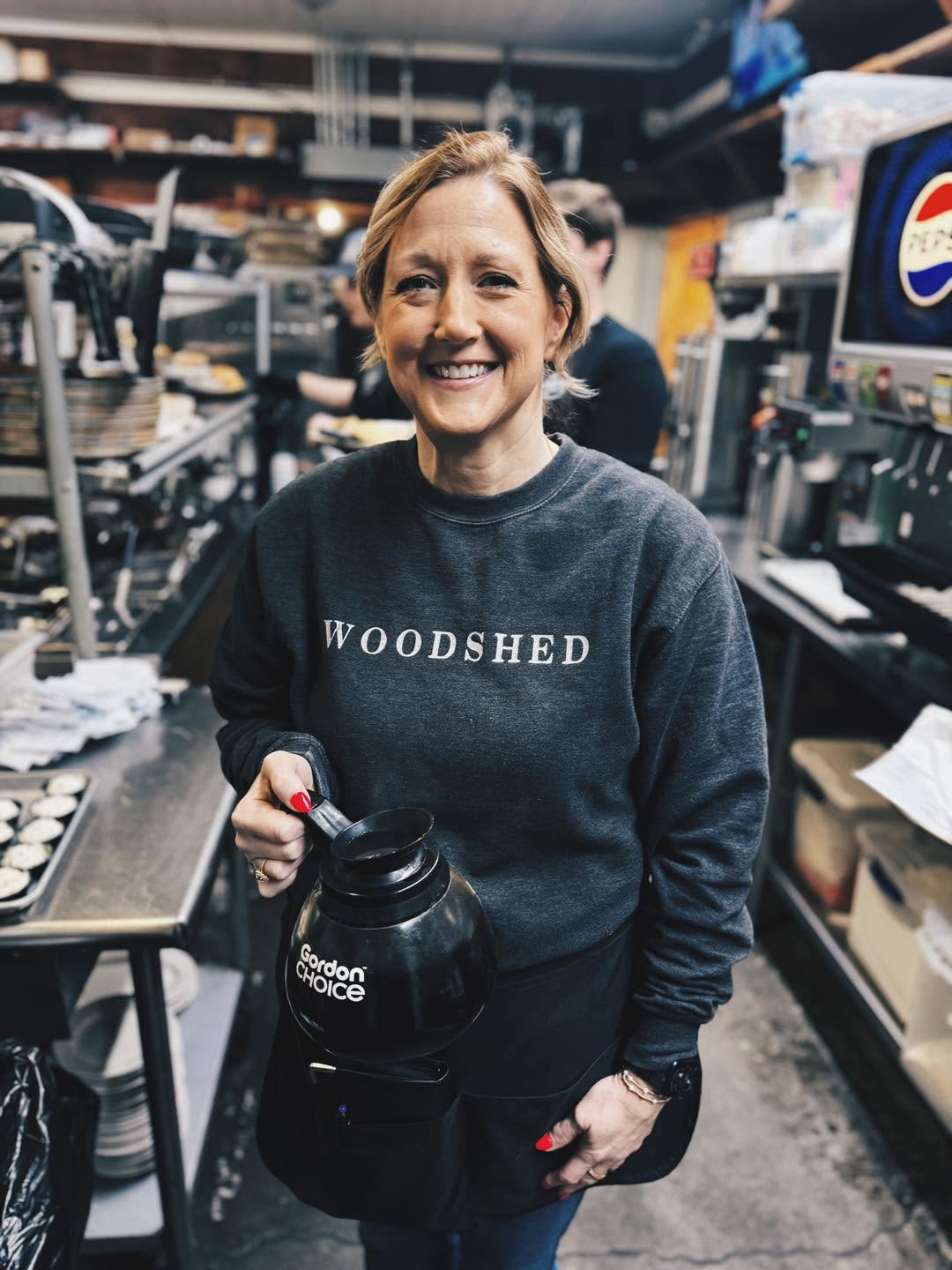
Woodshed team member with coffee service