For restaurant dining, catering, and event hosts

What a Complete Restaurant Proposal Should Cover

Before you commit to a group meal or catered event, you should be able to see the plan in writing. This page spells out what a clear, thorough restaurant provider proposal should include so you can confirm expectations on paper instead of relying on memory or guesswork.

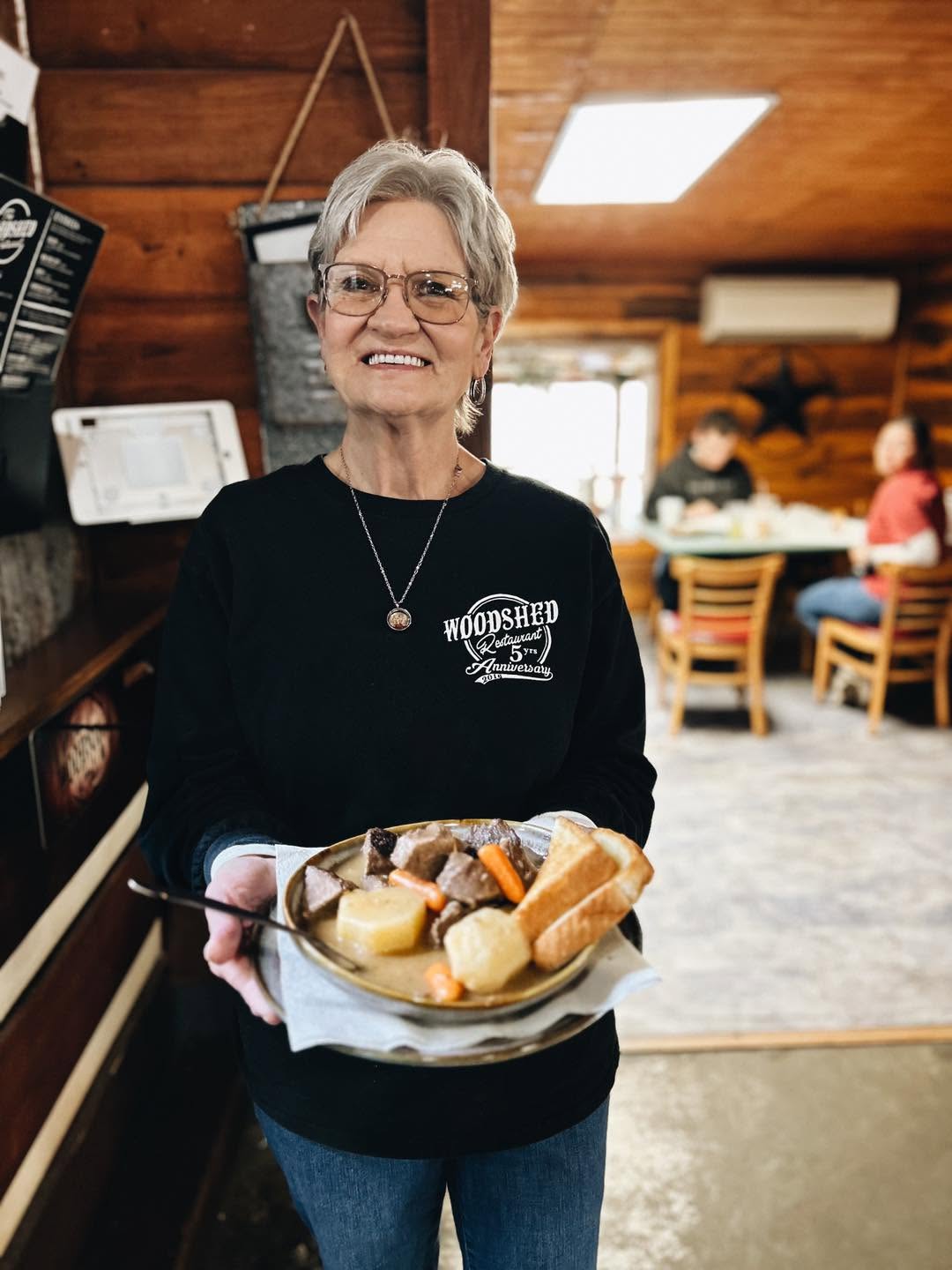
Woodshed staff members with a restaurant menu
The short answer

What matters most

A complete restaurant provider proposal should explain the scope of service, specific deliverables, schedule and timing, responsibilities for both the host and the provider, pricing and how it is calculated, key assumptions, exclusions, how changes will be handled, payment expectations, and what happens after service is completed. For catering or group dining, it should also describe the planned menu, staffing and service style, setup and cleanup details, and points of contact so everyone shares the same written expectations.

A restaurant or catering proposal is the written version of your agreement, spelling out scope, timing, responsibilities, pricing, and what you will actually receive.
Clear sections on scope of service, menu and deliverables, schedule, and roles on both sides reduce the chance of misunderstandings on the day of your meal or event.
Stronger proposals also explain headcount rules, staffing and service style, setup and cleanup details, how changes work, and what happens once service is complete.
In and around Newport and the Smokies, off‑site catering proposals should name the event location, travel expectations, and any assumptions about venue access or facilities.
You can use a written proposal to ask focused questions, request missing details, and judge a provider’s communication and follow‑through before you commit.
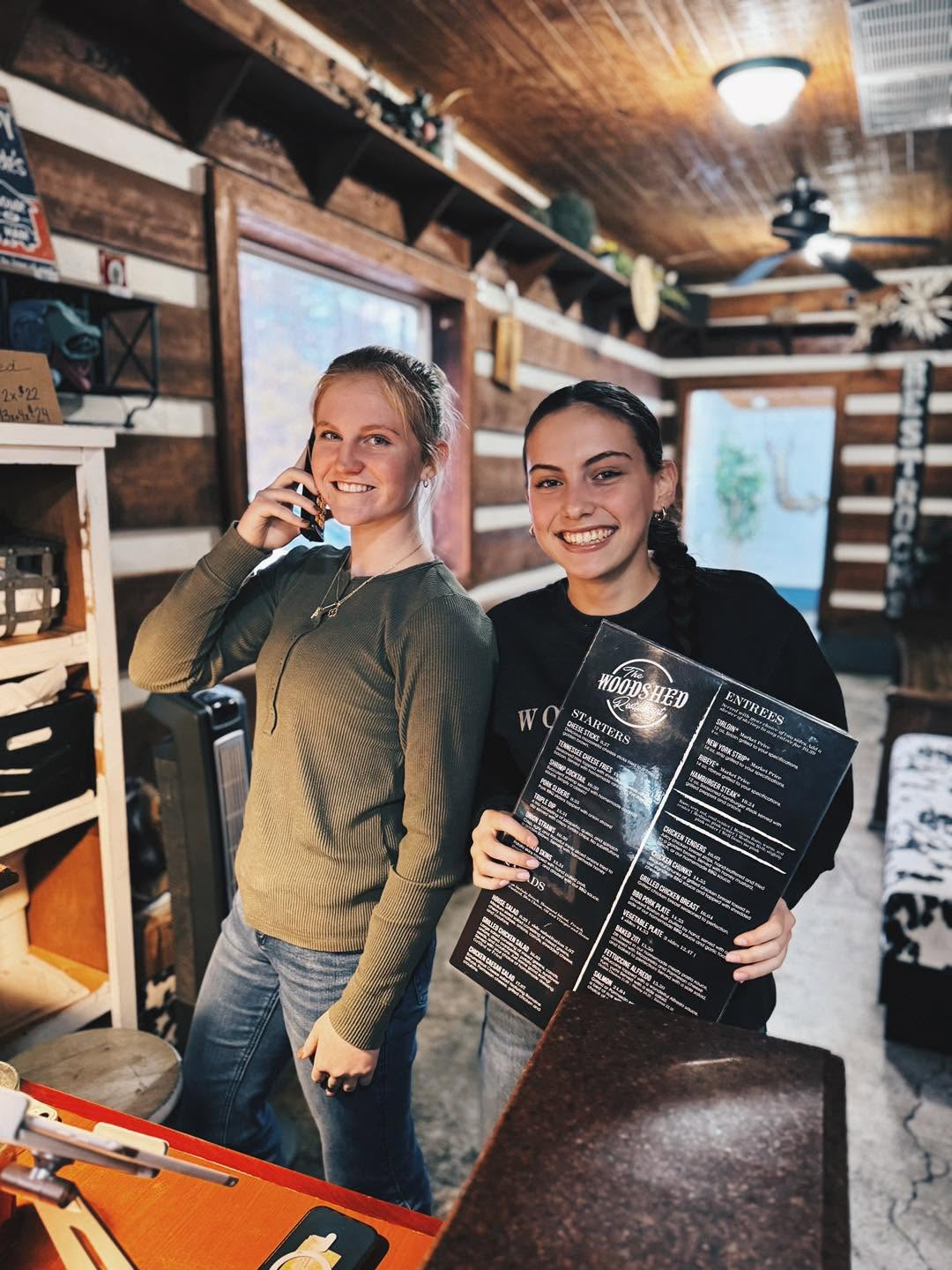
The Woodshed team ready to help with catering
A useful way to think about it

Breaking Down a Restaurant or Catering Proposal

A proposal is the written version of what you and the provider have discussed. Use these sections as a checklist while you review a draft or as a guide to what you should ask a restaurant or caterer to put in writing before you approve it.

1. Scope of service: what you are actually hiring

The scope section explains, in plain language, what the restaurant or caterer is agreeing to do. It should state whether this is in‑restaurant dining for a group, off‑site catering, or a combination of both. For catering, ask for a short description of the event type and general service style, and whether the proposal includes setup, serving, and cleanup or only food preparation. If you are planning more than one gathering, such as a rehearsal dinner and a reception, the scope should list which parts the provider is handling so there is no confusion later.

2. Menu and deliverables: food, drinks, and other inclusions

Deliverables are the tangible things you will receive. A clear proposal lists the menu items or sample menus being used for pricing, the number of courses or stations, and any dietary accommodations you have discussed. If guests will choose between options, the document should state how and when those choices will be collected. It should also spell out what comes with the food, such as serving platters, disposable or reusable plates and utensils, napkins, and any non‑alcoholic drinks being provided. Anything you are expected to supply yourself should be named so you can plan ahead.

3. Schedule and timing: from arrival to the end of service

Your proposal should do more than list a date. It should outline a basic timeline so both sides have the same picture of the day. For off‑site events, look for an arrival window for the catering team, how long setup is expected to take, when food service will begin, and how long staff will remain on‑site. For in‑restaurant group dining, the proposal can confirm your reservation time, how long the table or room will be held, and any timing notes that matter for your group. You do not need a minute‑by‑minute schedule, but you should see enough detail to understand how the meal fits into the rest of your plans.

Decision guide

Using the Proposal to Make a Confident Choice

Once the proposal is in front of you, your job is to decide whether it truly fits your plans. The points below help you read past the headline number and judge how well the written offer matches what you need and what has been discussed.

Start with your non‑negotiables

Before you focus on the total cost, reread the proposal with your top priorities in mind. If you care most about having enough time for guests to linger, check that the hours of service and staffing levels match that. If you have important dietary needs, look for specific language about how those will be handled. When a priority is missing or only mentioned in passing, ask the provider to add clearer wording before you sign.

Use the proposal to test communication

How a provider responds when you review a proposal together tells you a lot. Ask them to walk through any sections you find confusing and to explain how they calculated key numbers. Bring up a few realistic what‑ifs, such as a modest change in headcount or a shift in timing, and see whether they can show you where those situations are covered or are willing to add a short note. A team that works through these questions calmly and clearly is more likely to handle the actual event the same way.

Compare what is included, not just totals

If you are looking at more than one proposal, set the documents side by side and note what each one includes: guest count covered, menu level, hours of service, staffing, travel, and any extras. When one proposal folds something into the base price that another treats as an add‑on, ask follow‑up questions so you are comparing similar offerings. This helps you see value and fit, not just which number is higher or lower.

Look for signs the offer matches real experience

Proposals often mention past events, sample menus, or reviews. When they do not, you can ask for examples or references. Then pay attention to how the provider handles your questions about the document itself. Prompt, clear answers and a willingness to correct small errors are practical signs that the written promises are grounded in real experience, not guesswork.

Evidence and expectations

How Woodshed’s Track Record Connects to Clear Expectations

The Woodshed Restaurant & Catering is a long‑standing local business in Newport that combines an in‑house restaurant with regional catering. The way the team talks about its history and guest experiences offers context for why written expectations matter.

A decade of local history from one Newport location

According to its About Us information, The Woodshed Restaurant & Catering has been serving East Tennessee since 2016 and had been in business for ten years as of that page’s publication. The restaurant operates at 2593 Cosby Highway in Newport, Tennessee and is described as a local favorite spot for both dining and catering. That kind of established presence means many guests already know where to find the team and how to reach them when it is time to turn a conversation into a written proposal.

Staff treated as family and a focus on people

The Woodshed describes many of its front‑of‑house team members as high school or college students or teachers and talks about its purpose as empowering youth and supporting educators. Over the years, former team members have gone on to work as registered nurses, radiography techs, nurse practitioners, maintenance workers, utility workers, and teachers, with some even meeting spouses while working there and now having what the business calls “Woodshed grandbabies.” This people‑focused culture is one reason many customers see the restaurant and catering operation as a long‑term part of the Newport community.

Guest review highlights helpful staff and memorable food

In a published 5‑star Google review, a visitor from out of town notes that a staff member helped them find the restaurant entrance in Newport and goes on to say that everything was delicious, very well seasoned, and finished with a dessert that “topped it off.” The reviewer closes by saying they plan to return when they are in the area again. While the review does not mention proposals, it shows how clear guidance and well‑executed food shape the overall experience guests remember.

The Woodshed team serving generous catered meals
Main website image
Local context · Newport, TN

Making Proposals Work for Events in and Around Newport

The Woodshed Restaurant & Catering operates from its location at 2593 Cosby Highway in Newport, Tennessee and serves Newport along with nearby areas such as Gatlinburg, Pigeon Forge, Sevierville, and surrounding mountain communities like Cosby. If your proposal involves off‑site catering in this wider region, it should note the event address, how travel is handled, and any related fees or timing expectations. When you are hosting at a venue such as a church hall, community building, or rental property, ask the provider to describe any assumptions about kitchen access, parking, and where food can be set up. Because guests often come through the Smokies from different directions, it also helps to see in writing how and when final headcounts and details will be confirmed before the team leaves Newport for your event.

Questions worth asking

Restaurant & Catering Proposal FAQs

Even after reading a proposal, hosts often have lingering questions about what should be written down and how formal things need to be. These answers address practical issues that do not always make it into a standard document but can affect your experience.

Do I really need a written proposal for a small event or group dinner?

For a very small, casual meal, you may not need a formal, multi‑page document. However, once you are reserving space for a group, pre‑selecting a menu, or spending more than you normally would on a single meal, it is wise to have the main points in writing. Even a simple email that confirms the date, time, estimated headcount, menu choices, price structure, and any minimums or fees gives you and the restaurant something concrete to refer back to if questions come up later.

What should a restaurant or catering proposal say about headcount?

Headcount affects both cost and logistics, so the proposal should spell out how it will be handled. Look for the estimated guest count the provider used to build the proposal, the deadline for giving a final guaranteed number, and what happens if your actual attendance is higher or lower. If the document does not explain whether there is a minimum charge or how last‑minute changes will be billed, ask the team to add that language so you are not surprised by the final invoice.

How detailed should the pricing section of a proposal be?

You do not need a line for every ingredient, but you should be able to see how the total was built. A useful proposal makes clear whether pricing is per person, per item, per hour of service, or some mix of those. It should separate food charges from any service fees, travel, rentals, or taxes so you can tell what drives the overall cost. If you plan to compare multiple options, ask each provider for a format that lets you line them up easily, such as a per‑person total for a similar menu level.

What should be included about staffing and service style?

Staffing and service style shape how the event feels for guests. The proposal should name the planned service style, such as buffet or plated, and describe how many staff members are expected in broad roles, like servers or buffet attendants. It should clarify whether staff will handle tasks such as refilling drinks, clearing plates, or monitoring buffet levels, and which tasks, if any, will fall to you or other vendors. That way you are not relying on assumptions about who will do what on the day.

What happens if I need to change the proposal after signing?

It is common for hosts to adjust something between signing and the event, whether that is headcount, menu details, or timing. The proposal should describe how changes are handled, including how to request them, any deadlines for making adjustments without extra fees, and how revised terms will be documented. If the change process is not addressed, ask the provider to add a short section that explains how updates will affect both the plan and the price.

Your next step

Ready to Request a Clear Proposal from a Newport Team?

If you are planning a meal or event in East Tennessee and want a proposal that spells things out in everyday language, start with a direct conversation. From its Cosby Highway location in Newport, The Woodshed Restaurant & Catering serves in‑restaurant diners and caters weddings, private celebrations, and corporate or community events across the surrounding Gatlinburg and Pigeon Forge area. You can call (423) 532-7297, email [email protected], or use the online contact and booking forms on their website to share your event basics and request a written plan that covers the key points discussed on this page.

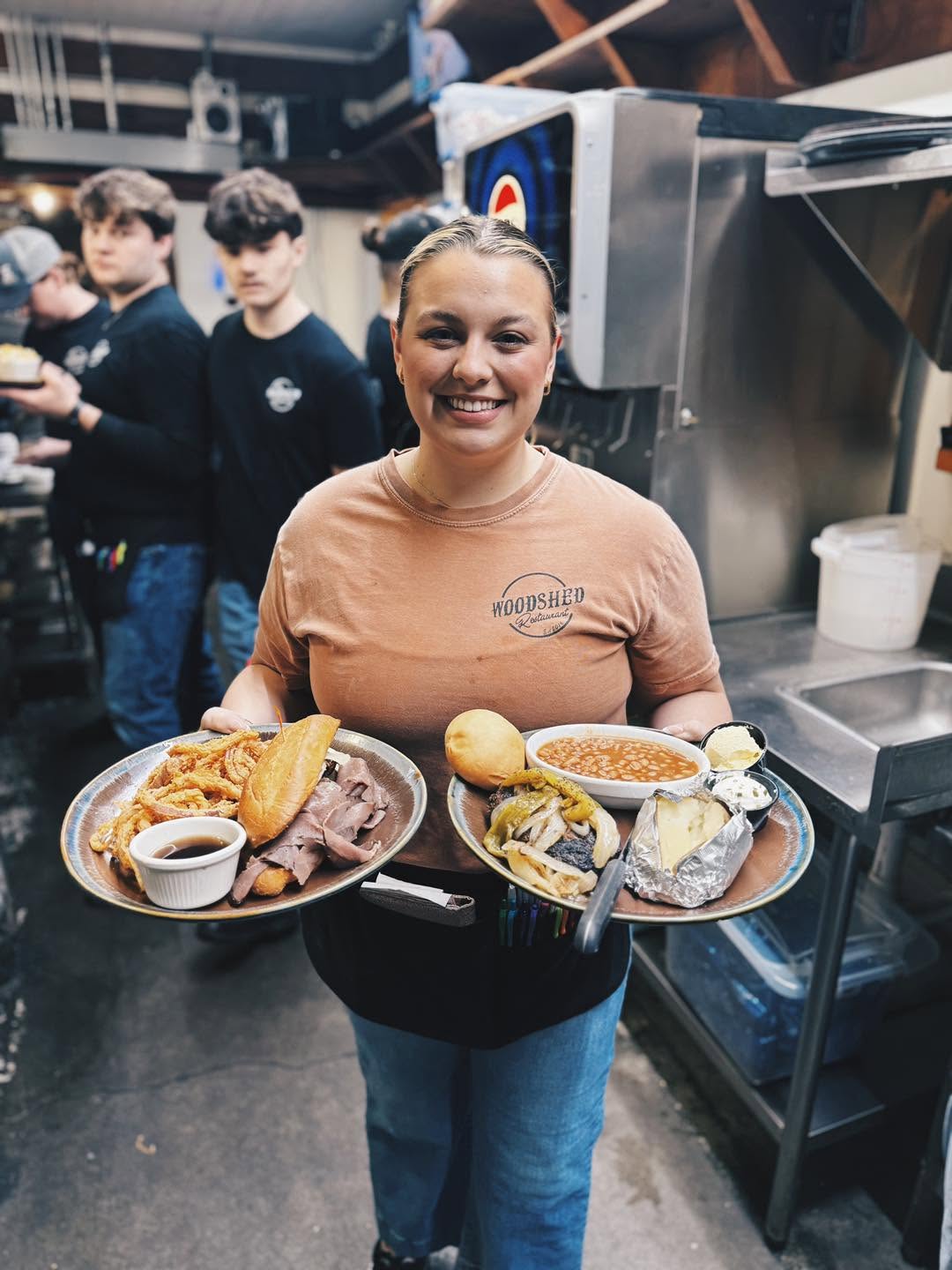
Woodshed server carrying generous meals