First Time Talking with a Restaurant or Caterer

What to Bring to Your First Restaurant Conversation

That first real conversation sets the tone for everything that follows. When you arrive with the right details in hand, the team can talk in specifics instead of guesses, and you can decide more quickly whether their plan fits your needs. This page walks through what to bring to that first call or meeting so you leave with clear options, not loose ends.

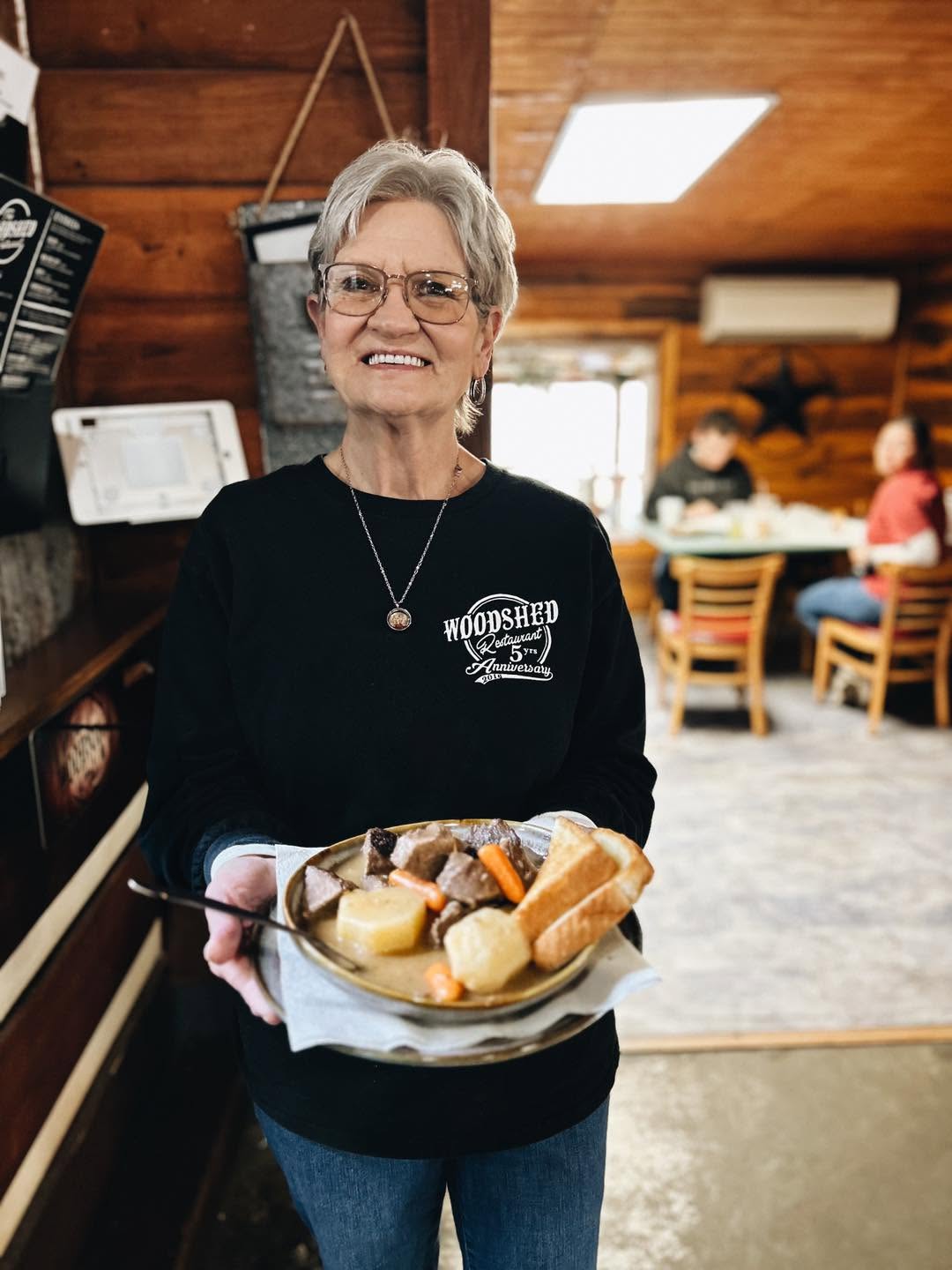
Woodshed staff members with a restaurant menu
The short answer

What matters most

For your first conversation with a restaurant or catering provider, bring a clear description of what you are planning, your preferred date and time, a realistic guest range, and whether you want in-restaurant dining or food served somewhere else. Have basic location details ready for any off-site event, along with non-negotiable requirements such as dietary needs or venue rules. Come with your top priorities, an honest budget range, any helpful examples like sample menus or invitations, and the names of people who will help make the decision. Finally, write down a short list of questions about what is included, how changes are handled, and what must be confirmed before you commit.

Bring a simple written description of your occasion, timing, guest range, and whether you want in-restaurant dining or off-site service to your first restaurant or catering conversation.
Have basic location and access details ready for any off-site gathering, especially if your plans involve venues or cabins in or around Newport and the Smokies.
Share your top priorities and an honest budget range early so the team can respond with realistic options instead of guesses.
Use the first conversation to clarify exactly what is included, what still needs to be decided, and what must be confirmed before you commit to a plan.
For meals and events based around Newport, Tennessee, arriving with organized details about towns, venues, and travel schedules helps a local restaurant and catering team respond with practical, well-timed recommendations.
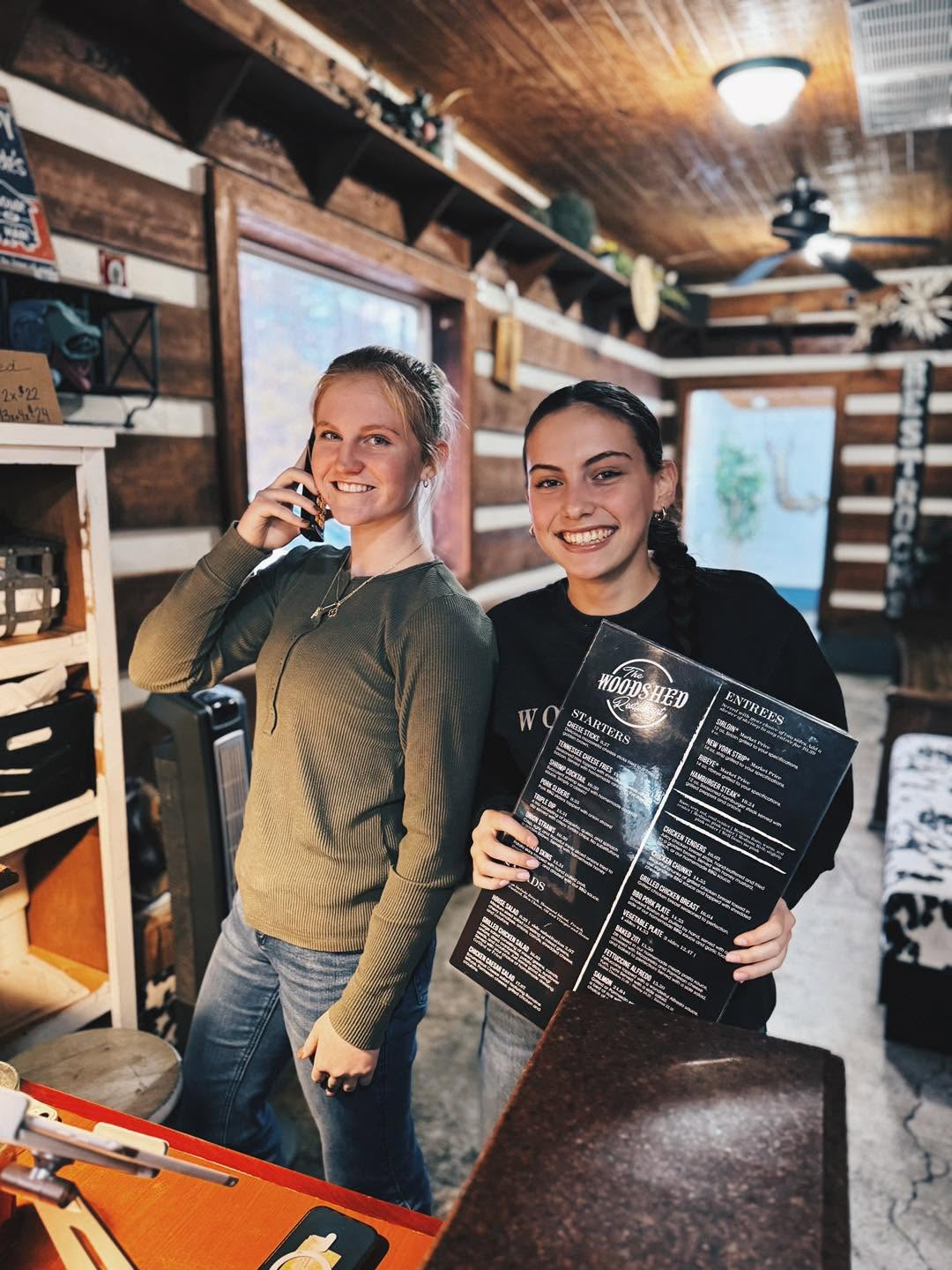
The Woodshed team ready to help with catering
A useful way to think about it

A Practical Guide to Your First Restaurant Conversation

You do not need a perfect plan before you reach out, but you will get more from the first conversation if you gather a few basics. Use these steps to organize the information that helps a restaurant or catering team respond with specific ideas and realistic quotes.

Write a short description of what you are planning

Before you pick up the phone or send an email, take a minute to describe your meal or event in a few sentences. Include the occasion you are marking, whether you picture something casual or more formal, and whether you want to dine at the restaurant or have food served elsewhere. If you already know whether you prefer buffet-style, plated meals, or something in between, note that too. This simple description keeps you focused and helps the restaurant quickly understand the kind of experience you are trying to create.

Gather your dates, times, and a realistic guest range

Restaurants and caterers plan around time and headcount. Bring your preferred date and time, plus at least one backup option if your schedule allows. Instead of waiting for a final guest list, decide on a realistic range that you can explain, such as 30 to 40 people or 8 to 10 diners. If it matters for seating or food, jot down whether the group will be mostly adults, families with children, or a mix. Having these details ready helps the team talk meaningfully about availability, portion planning, and what setups are possible for your group.

Collect location and access information for any off-site event

If your plans involve food served somewhere other than the restaurant dining room, treat the location details as part of what you bring. Write down the name and address of the venue, cabin, church, office, or community space, and note where you expect food to be set up or served. If you already know which door people use to enter, where vehicles can unload, or whether there is a kitchen on-site, include that as well. Even a basic sketch of how people and food will move through the space gives the restaurant a better sense of what equipment and timing will be needed.

Decision guide

How to Turn That First Conversation into Clear Next Steps

Once you share your details, the way the discussion unfolds can help you decide what to do next. Use the information you brought with you to judge whether the plan you are hearing is concrete enough to move forward or whether you need more clarity first.

Use your priorities to check how well the plan fits

Before your first conversation, choose your top three priorities, such as staying within a certain budget, featuring a favorite menu style, or making things simple for out-of-town guests. During the call, share those priorities clearly and pay attention to how the team responds. Do they ask questions that show they heard you and then suggest options that line up with what you said matters most? If you leave the call with a plan that reflects your stated priorities, that is a good sign you can move forward. If the suggestions do not quite match, you may need another round of questions before deciding.

Ask for plain-language explanations of what is included

Once you have outlined your plans, ask the restaurant to describe, in simple terms, what they would actually provide for a gathering like yours. Listen for specifics about food, service, and where their responsibilities begin and end. If anything sounds unclear, use the information you brought—such as your guest range or venue type—to ask follow-up questions. When you can comfortably repeat back what is included and what is not, you are better positioned to choose whether to keep going with this option.

Clarify what must be confirmed before you commit

A strong first conversation does not require you to say yes on the spot, but it should end with a short list of what still needs to be decided. Using your notes, ask which details must be finalized before a proposal or booking can be considered firm, such as final guest count, specific menu choices, or timing changes. Write down any deadlines and what the team needs from you by each date. This turns your preparation into a simple checklist and makes it easier to see when you are truly ready to move ahead.

Decide whether you need a written follow-up

After the call or meeting, look at what you brought and what you learned. If you now have a clear understanding of what the restaurant can do, and only a few small items remain open, you may feel comfortable asking them to hold a date while you confirm final details. If there are still many moving parts, consider asking for a short written summary or outline you can review. Comparing that outline with your original notes helps you decide whether to request a detailed quote, adjust your expectations, or explore other options.

Evidence and expectations

How Preparation Helps a Real Newport Restaurant Team

Being organized makes any planning call smoother. With a local restaurant and catering business that has grown alongside its staff and guests, sharing clear details helps the team take good care of you from first conversation through the day of your meal or event.

A Newport restaurant with a decade of experience

The Woodshed Restaurant & Catering in Newport, Tennessee has been serving guests and event clients since 2016 and is described as a local favorite for hearty meals and dependable catering. Over the years, the business has grown from its Cosby Highway location into a go-to spot for in-restaurant dining and for weddings, private celebrations, and corporate or community events across the surrounding area. When you come to a first conversation with organized details, you give an experienced team the information they need to draw on that history for your plans.

A team culture built around long-term relationships

In describing its staff, the business notes that many front-of-house team members are high school or college students or teachers, and that these employees often stay connected long after their time at the restaurant. Some have gone on to become nurses, radiography technicians, utility workers, and teachers, and several former team members met their spouses while working there and now bring their children back to visit. That sense of continuity shows how much the restaurant values the people involved in its day-to-day work. Arriving at your first planning conversation with clear information helps that team focus on the details that matter for you and your guests.

Reviews that highlight friendly guidance and satisfying meals

One 5-star Google review from a diner who was not local to Newport describes initially being unsure where to go, then being guided by a staff member to the dining room. The guest goes on to praise the food as very well seasoned and notes that dessert completed an already delicious meal, ending with a promise to return when in the area again. Feedback like this underscores how staff are ready to help guests get oriented and enjoy their visit. Bringing key details about your plans to a first conversation gives that same team a head start on making your meal or event run smoothly.

The Woodshed team serving generous catered meals
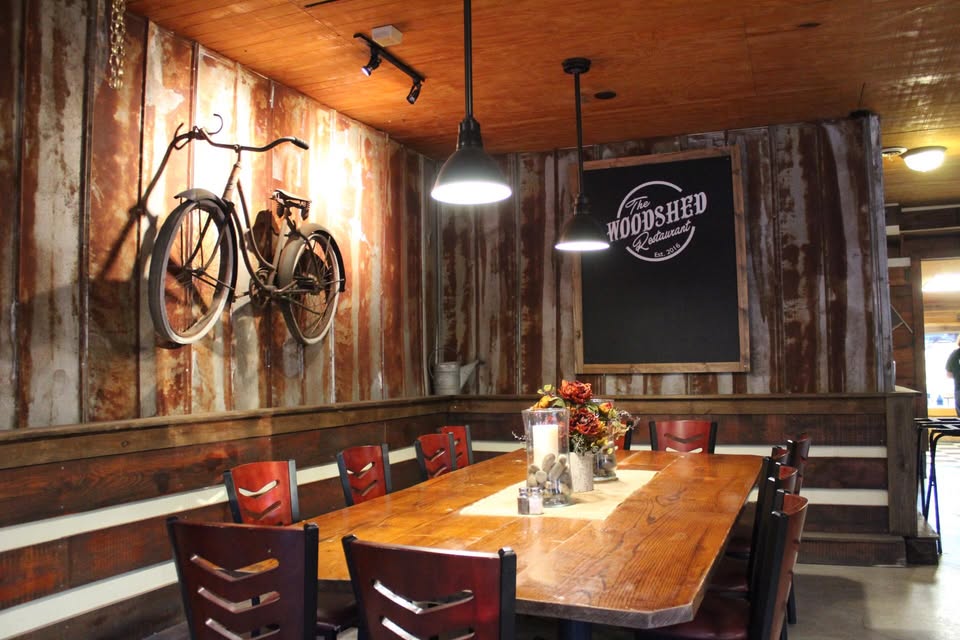
Main website image
Local context · Newport, TN

What to Bring If You Are Planning Around Newport and the Smokies

If you are planning a meal or event in Newport or nearby areas like Gatlinburg, Pigeon Forge, Sevierville, Cosby, or the surrounding mountain communities, add a few local details to your list. Have the town or community name ready, along with the specific venue or cabin name if you know it. Note roughly how far it is from Newport and any timing constraints related to travel through the Smokies. If some guests are stopping at the restaurant in Newport and others are going straight to a venue, jot that down as well. For events near the Smokies, it also helps to bring a short outline of your schedule for the day, so the team can suggest meal times and service plans that fit around driving and activities. These local details give a Newport-based team a clearer picture of what it will take to serve your group well.

Questions worth asking

Questions People Ask Before Their First Restaurant Planning Call

Many people delay reaching out because they are unsure how much they must decide before talking with a restaurant or caterer. These answers explain what is helpful to prepare and what can still be flexible when you make that first contact.

Do I need a final guest count before I contact a restaurant or caterer?

You do not need a finished guest list before your first conversation. What helps most is a realistic range based on who you expect to attend, such as 20 to 30 people rather than an exact number. Share whether that range is likely to move up or down and when you expect to know the final headcount. During the call, ask what deadline the restaurant uses for locking in numbers, so you can work backward from that date when sending invitations or collecting responses.

How specific should I be about my budget in the first conversation?

Being reasonably direct about your budget early on helps the restaurant suggest plans that fit you. You can share a clear range if you have one, or describe whether you are aiming for something modest, mid-range, or more generous. The key is to be honest about what you are comfortable spending on food and service for your group. If you feel unsure, say so, and ask how changes to guest count, menu choices, or service style could move costs up or down. That way, any follow-up quote is more likely to reflect what you actually intend to spend.

What if I am still deciding between dining at the restaurant and full catering?

It is common to reach out before you know whether a regular restaurant meal or full catering makes the most sense. In your first conversation, explain the occasion, who is attending, and the locations you are considering. Then ask the team to talk through how each option would work, using your notes on dates, guest range, and any travel plans. With those details in front of you, it is easier to weigh the trade-offs between having everyone meet at the restaurant and having food brought to another location.

Is it better to call, email, or use an online form for the first contact?

Choose the method that lets you share your information clearly. A phone call can be useful if you want to talk through several questions at once, but it helps to have your notes in front of you so you do not forget key points. Email or an online request form works well if you already know your date, time, guest range, and location, because you can lay out those basics in writing. For a Newport-based restaurant with both phone and web contact options, you can start in whichever way feels easiest and then follow up using the same or another method as your plans develop.

What should I have with me if I plan to stop by the restaurant in person?

If you intend to discuss future plans during an in-person visit, treat it as a brief planning session. Bring written notes that cover your occasion, preferred dates and times, guest range, and whether you are considering in-restaurant dining, catering, or both. If you have already chosen or are considering a specific venue, have the name and approximate location ready and be prepared to describe how you picture using the space. Before you leave, make sure you know how to reach the person handling your plans and what information they are waiting on from you.

Your next step

Ready to Talk Through Your Plans?

Once you have written down the basics of your occasion, timing, guest range, and location, you are prepared enough to start a real conversation. For meals or events in and around Newport, Tennessee and the surrounding Gatlinburg and Pigeon Forge area, you can call (423) 532-7297 or use the contact and booking pages on the Woodshed website to share your information. Let the team know what you already have in place and where you still need guidance. A short, focused first call can help you move from ideas to a workable plan.

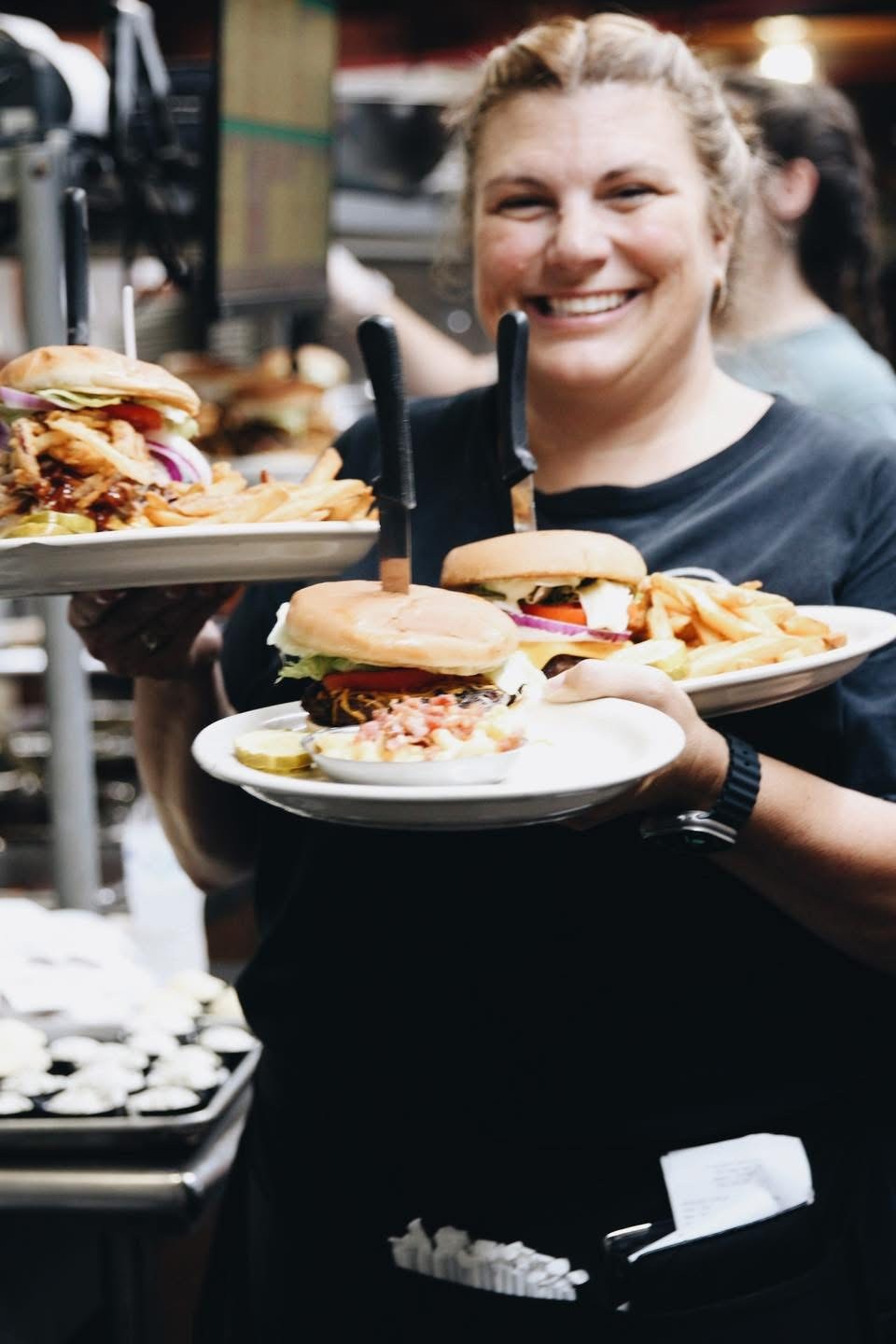
Woodshed server carrying two meals