Two proposals, one decision

How to Compare Restaurant and Catering Proposals

You have two restaurant or catering proposals on the table and they are tough to compare. One is cheaper, one looks more detailed, and both leave questions. This guide walks you through how to line them up, fill in the gaps, and judge the full plan behind each number so you can choose the one that truly fits your meal or event.

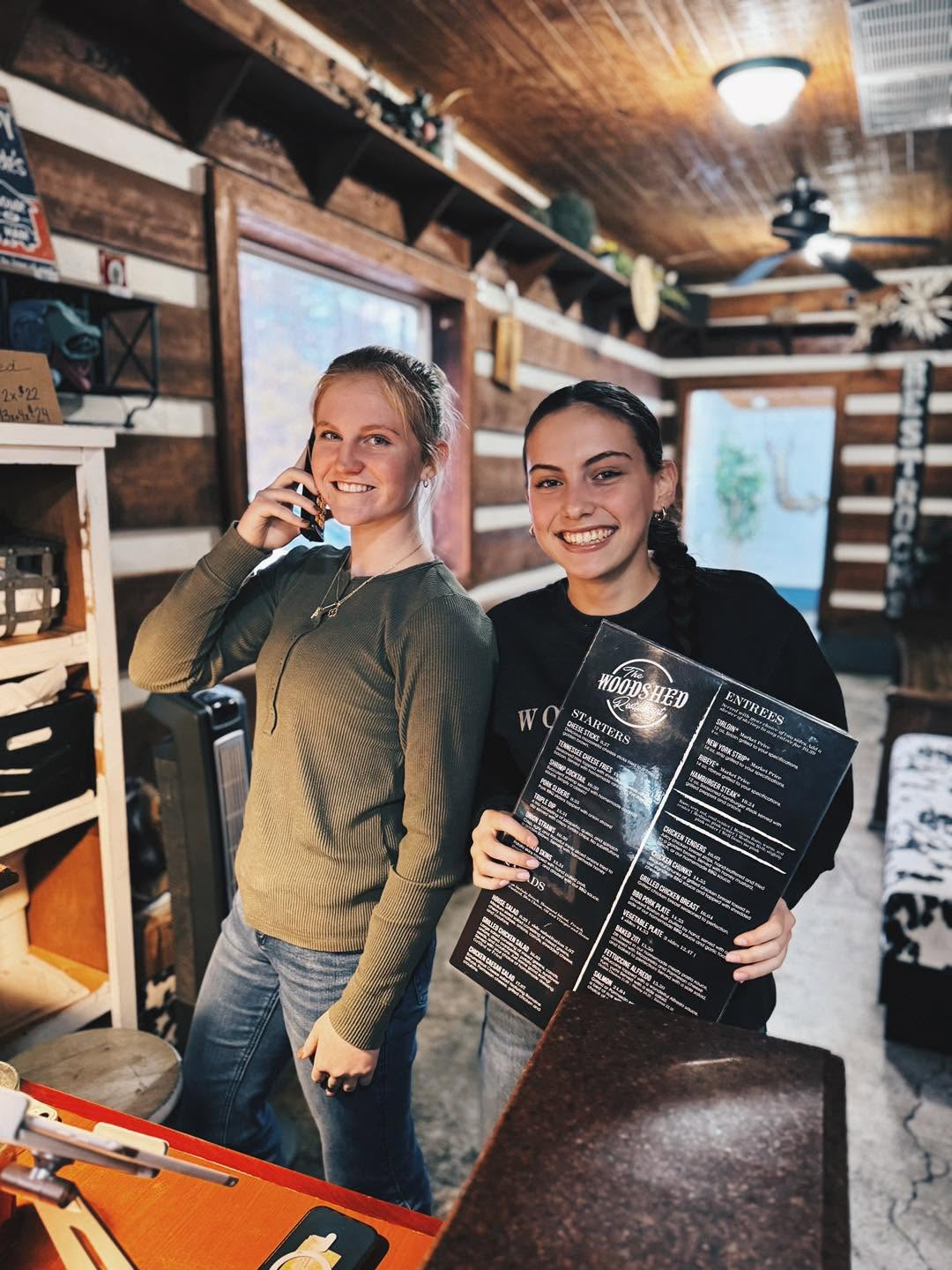
Woodshed staff members with a restaurant menu
The short answer

What matters most

To compare two restaurant or catering proposals, place them side by side and make sure they are built on the same scope. Match items such as guest count, menu and portions, service style and staffing, setup and cleanup, schedule, responsibilities for both sides, written exclusions and assumptions, proof of experience, change and cancellation terms, payment expectations, and every charge that contributes to the total. Ask each provider to clarify missing or vague points in writing so you are weighing complete, comparable plans instead of reacting to headline prices alone.

Define what you want the meal or event to accomplish so you can judge each proposal against your real needs, not just the dollar figure.
Make sure you are comparing the same scope across proposals—guest count, menu, service style, timing, setup, travel, and cleanup—before you decide which one is stronger.
Look closely at details that affect guest experience, including specific dishes, portion guidance, staffing, and schedule, along with any room for dietary needs or changes.
Read responsibilities, exclusions, and policies carefully so you understand who does what, what is not included, and where extra costs or risk might appear.
Use reviews, examples, and how each provider communicates during the proposal stage as part of your decision, especially when two options look similar on paper.
The Woodshed team ready to help with catering
A useful way to think about it

A clear framework for reading restaurant proposals

Once you know you need help from a restaurant or caterer, the next hurdle is understanding what a proposal is really offering. Using the same checkpoints for each option turns a stack of pages into something you can actually compare and talk through.

1. Start with the situation, not the paperwork

Before you dig into line items, write down what you actually need this provider to solve. Are you looking for a group table at a restaurant, a wedding reception, a milestone birthday, or a corporate or community gathering? Do you imagine a relaxed buffet, a seated meal, or something informal with people coming and going? Are most guests down the road, or traveling through East Tennessee as part of a bigger trip? Once you are clear on the situation, use it as your measuring stick. As you read each proposal, ask whether it supports the experience you are trying to create. A plan that costs a bit more but addresses your real constraints—like a short setup window or a wide mix of ages—may serve you better than a cheaper quote that leaves those issues for you to juggle alone.
2. Confirm you are comparing the same scope

Two proposals can look very different simply because they assume different jobs. One might include full setup, service, and cleanup; another might only cover prepared food. One may plan around a short event; the other may assume you want help over several hours. Make a short list of scope items: type of meal, guest count, service style, arrival and departure windows, setup and cleanup expectations, and any travel to your location. For each proposal, note what is clearly included, what is partially described, and what is missing. If something is unclear, ask that it be explained in writing. Only when you understand the scope for each option can you say which plan fits your needs or where a price difference really comes from.

3. Examine the menu, portions, and flexibility

Next, focus on what guests will see and taste. Does each proposal name specific dishes, sides, and desserts, or does it rely on general categories? Are there notes that help you understand portions, especially if you are feeding people after a long day of travel or a full schedule of activities? Also look for signs of flexibility. Does the proposal leave room for kid-friendly choices if you expect families? Are there options for guests who prefer lighter meals or have dietary restrictions? A menu section that is specific without being rigid gives you confidence that plates will feel generous and appropriate without forcing you into last-minute menu negotiations.

Decision guide

Turning proposals into a confident decision

After you understand what each proposal includes, you still have to choose. This section focuses on how to weigh tradeoffs between cost, service, and risk so you can sign with a clear head.

1. Look past the headline price to total value

Once you have aligned the scopes, you can look at cost with clearer eyes. Break each proposal into its main parts: food, service staff, equipment or supplies, travel or delivery, and any taxes or service-related charges. Then compare each category rather than glancing at the final number alone. As you do, think about what each element saves you or asks of you. A lower figure that leaves you responsible for setting up, refilling, and cleaning might be fine if you have plenty of help and time. If you do not, a proposal that includes more hands-on service may be worth the extra dollars because it buys you the ability to stay with your guests instead of working behind the scenes.

2. Weigh timing, staffing, and reliability

A strong menu on paper does not help much if timing and staffing are unrealistic. Look at when each provider plans to arrive, how long they expect setup and service to take, and when they will be done. Check whether the number of staff and their roles are described clearly enough that you can picture how your event will actually run. If a proposal glosses over these details, ask for specifics before you decide. Clear timing and staffing plans signal that someone has thought through the flow of your gathering, which lowers the risk of cold food, long lines, or a rushed cleanup at the end.

3. Check responsibilities, exclusions, and risk

Every proposal quietly divides tasks between you and the provider. Read closely for who is responsible for tables and chairs, linens, decor, trash, and leftover food. If these topics are not mentioned, ask directly and get the answers in writing. Pay the same attention to exclusions and fine print. Are there minimum guest counts, extra charges for certain dates or times, or limits on how late service can run? Are bar service, rentals, or venue-related fees outside the proposal altogether? Identifying where your responsibilities begin and what is not covered helps you avoid surprise costs and last-minute scrambling.

4. Use proof and communication style as tiebreakers

If two proposals cover similar scope and cost, how each provider shows their track record can help you choose. Look for reviews, photos, or comments about past meals and events. Do people describe good food, steady service, and staff who were easy to work with? Also pay attention to how each provider handles your questions during the proposal stage. Do they answer clearly, respond within a reasonable time, and put important points in writing when you ask? The way someone communicates before you sign is often the clearest preview of what it will feel like to depend on them when guests are on the way.

Evidence and expectations

How Woodshed experience can inform your comparison

The Woodshed Restaurant & Catering has spent years serving guests in Newport and catering weddings, private celebrations, and corporate or community events across nearby Smokies communities. That day-to-day work offers useful angles for how to read any proposal you receive, even if you end up hiring someone else.

Experience with real meals and events in East Tennessee

The Woodshed Restaurant & Catering operates from its Newport location on Cosby Highway and has been serving East Tennessee since 2016. The team provides generous local favorites in the restaurant and caters weddings, private celebrations, and corporate or community events across the Gatlinburg and Pigeon Forge area. That mix of in-house dining and off-site events means they see where written plans hold up and where details can slip. As you compare proposals from any provider, you can borrow that perspective by asking grounded questions such as how they plan to handle travel to your venue, how they will staff your event, and what they expect from you before and after service.

A people-focused team culture

The Woodshed describes its staff as a family. Over the years, some team members have gone on to careers as registered nurses, radiography techs, nurse practitioners, maintenance workers, utility workers, and many teachers. The owners even talk about former employees who met while working there and now have what they fondly call “Woodshed grandbabies.” When you review proposals from any restaurant or caterer, this kind of story is a reminder to look beyond the menu. You can ask how often the same people work together, how they train new staff, and who will be in charge on the day. A proposal that clearly names roles and points of contact can make it easier to trust the team you are hiring.

Feedback from both locals and visitors

Public reviews can show how a plan on paper turns into a real experience. One 5-star Google review for The Woodshed comes from a visitor who was not a local and initially was unsure where to go. After being shown the way to the restaurant, they described everything as delicious, highlighted the seasoning, and said the dessert finished the meal in a memorable way, closing with a promise to return when they are back in the area. When you compare providers, look for this kind of concrete detail in reviews or references: mentions of flavor, portions, helpful staff, and guests wanting to come back. Those specifics help you judge whether a proposal’s promises are likely to match what shows up at the table.

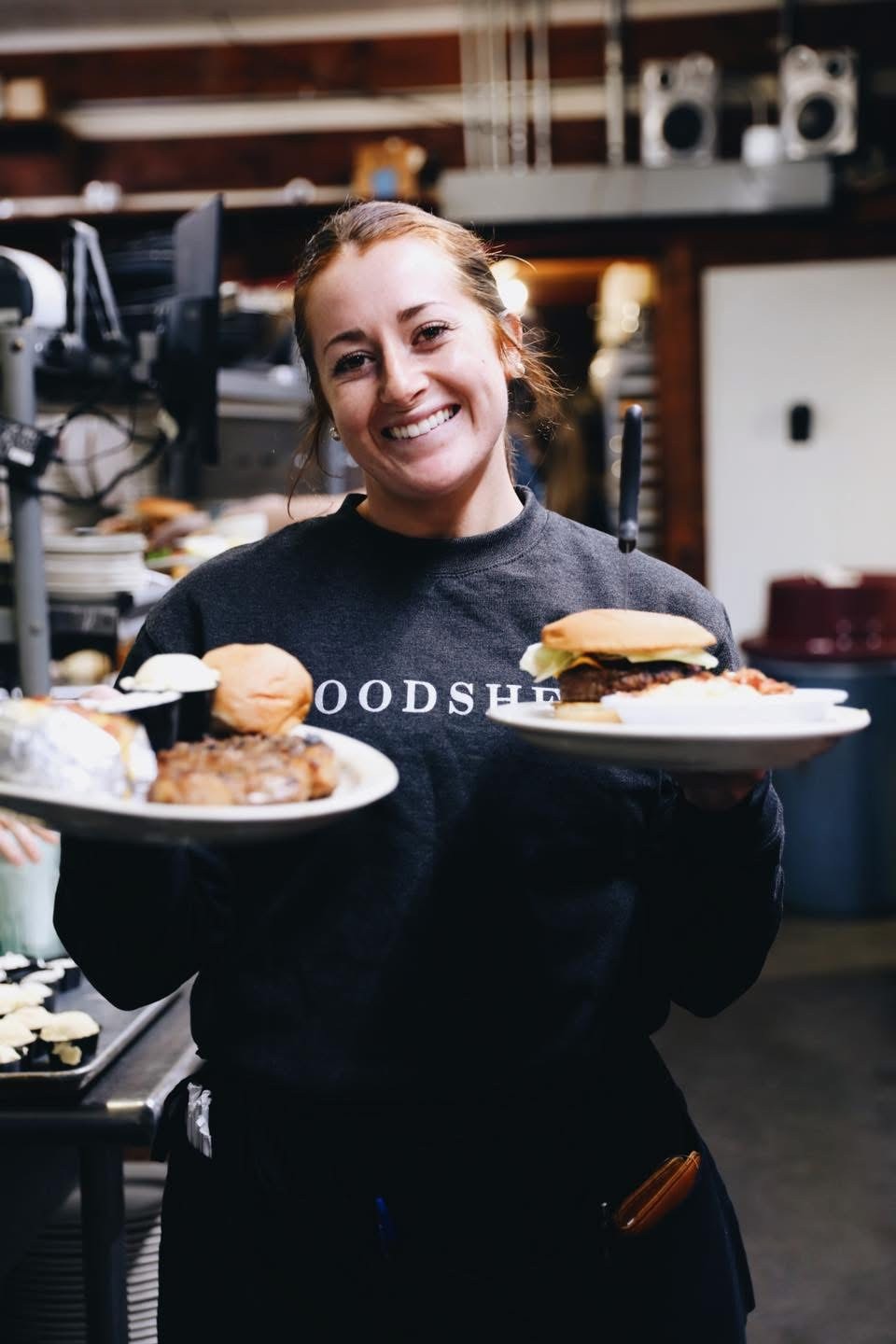
The Woodshed team serving generous catered meals
Main website image
Local context · Newport, TN

Details that matter most around Newport and the Smokies

Around Newport and nearby areas like Gatlinburg, Pigeon Forge, Sevierville, Cosby, and the surrounding mountain communities, a restaurant or catering proposal is shaped by more than the menu. Hillside venues, winding roads, and busy travel seasons all affect how realistic a written plan will feel on the day. When you compare proposals for an East Tennessee gathering, check how each one handles distance and timing. If you are hosting at a cabin, lodge, or community venue, look for written arrival and setup windows, not just a serving time. If one provider is based in Newport and another is closer to the venue, see whether travel time, fuel, or extra staff for loading and unloading are listed anywhere. If they are not, ask how those factors are accounted for. It also helps to see how clearly each proposal explains what happens before and after service. In tighter mountain locations or busy tourist corridors, clear language about parking, access, and cleanup can prevent last-minute confusion. If you are mixing local guests with travelers passing through the Smokies, a proposal that spells out simple directions and handoffs gives everyone a smoother experience.

Questions worth asking

Questions people ask about restaurant proposals

Many hosts only see a formal restaurant or catering proposal a few times in their lives. These answers tackle the follow-up questions that tend to come up once the first versions arrive.

What should always be in a restaurant or catering proposal?

A useful restaurant or catering proposal should, at minimum, spell out what the provider is agreeing to do, who it is for, and how they will be paid. Look for a description of the service, the planned menu, the guest count it is based on, the style of service and staffing, timing, responsibilities for both you and the provider, how pricing is calculated, important assumptions, and any clear exclusions. For group meals or catered events, there should also be some explanation of setup and cleanup, how changes will be handled, and payment timing. If a quote only lists a lump sum and a few dish names, ask the provider to expand it before you lean on it for planning or use it in a comparison.

How do I compare proposals when my guest count is still changing?

If your guest list is still in motion, ask each provider to show how cost changes as attendance goes up or down. Many proposals can be framed with a base amount plus a per-person figure so you can see how the total might look at different headcounts. You can request examples at a few likely guest counts and ask how close to the event date you can adjust the final number. That way, you are comparing how flexible each provider is with changes as well as how their pricing works.

What if one proposal includes full service and the other expects me to do more?

Sometimes you will receive one proposal that covers full service—setup, refilling dishes, clearing, and cleanup—and another that focuses mainly on food preparation. Instead of forcing them into a strict apples-to-apples comparison, list out exactly what the lighter-service option would require from you, family, friends, or staff. Then ask yourself whether you realistically have the time, energy, and help to handle those tasks while also hosting. If not, a full-service plan may represent better value even at a higher price. You can also ask each provider whether they offer in‑between options that adjust the balance of work and cost.

How can I spot possible extra costs in a proposal?

Possible extra costs often appear where the proposal is vague or very brief. Read through and ask what each line assumes. Are delivery or travel charges listed anywhere? Does the proposal mention minimum guest counts, late changes, or specific dates that might cost more? Are taxes, gratuities, or service charges clearly shown? If you see phrases like “additional fees may apply,” ask for examples and ranges. Request written confirmation of which costs are fixed and which depend on headcount, distance, or time. Having those notes in writing makes it much easier to compare providers fairly.

Is it reasonable to ask a restaurant or caterer to revise their proposal?

Yes. A proposal is meant to start a clear conversation, not end it. If a quote is close but not quite right, explain what you are hoping to adjust—your budget range, which parts of service matter most, or any menu changes you are considering. Be as specific as you can about your priorities so the provider can suggest changes that protect what is most important to you. In many cases, small shifts in menu or service level can bring a proposal in line with your needs without weakening the parts of the experience you care about most.

Your next step

Ready for a clear, detailed proposal?

If you are planning a meal or event in or around Newport and want a proposal that is straightforward to compare, you can reach The Woodshed Restaurant & Catering at its Cosby Highway location. Think through the basics first: likely date and time, approximate guest count, where you expect to gather, and whether you are picturing a sit-down meal at the restaurant, off-site catering, or a mix. Then call (423) 532-7297 or use the contact or event-booking options on the Woodshed website to share what you know. You can ask the team to spell out scope, timing, and responsibilities in writing so you can review calmly and, if you are looking at other providers as well, set the proposals side by side. Having one thorough, plain-language plan in front of you makes it much easier to see what is missing or unclear elsewhere before you make a final choice.

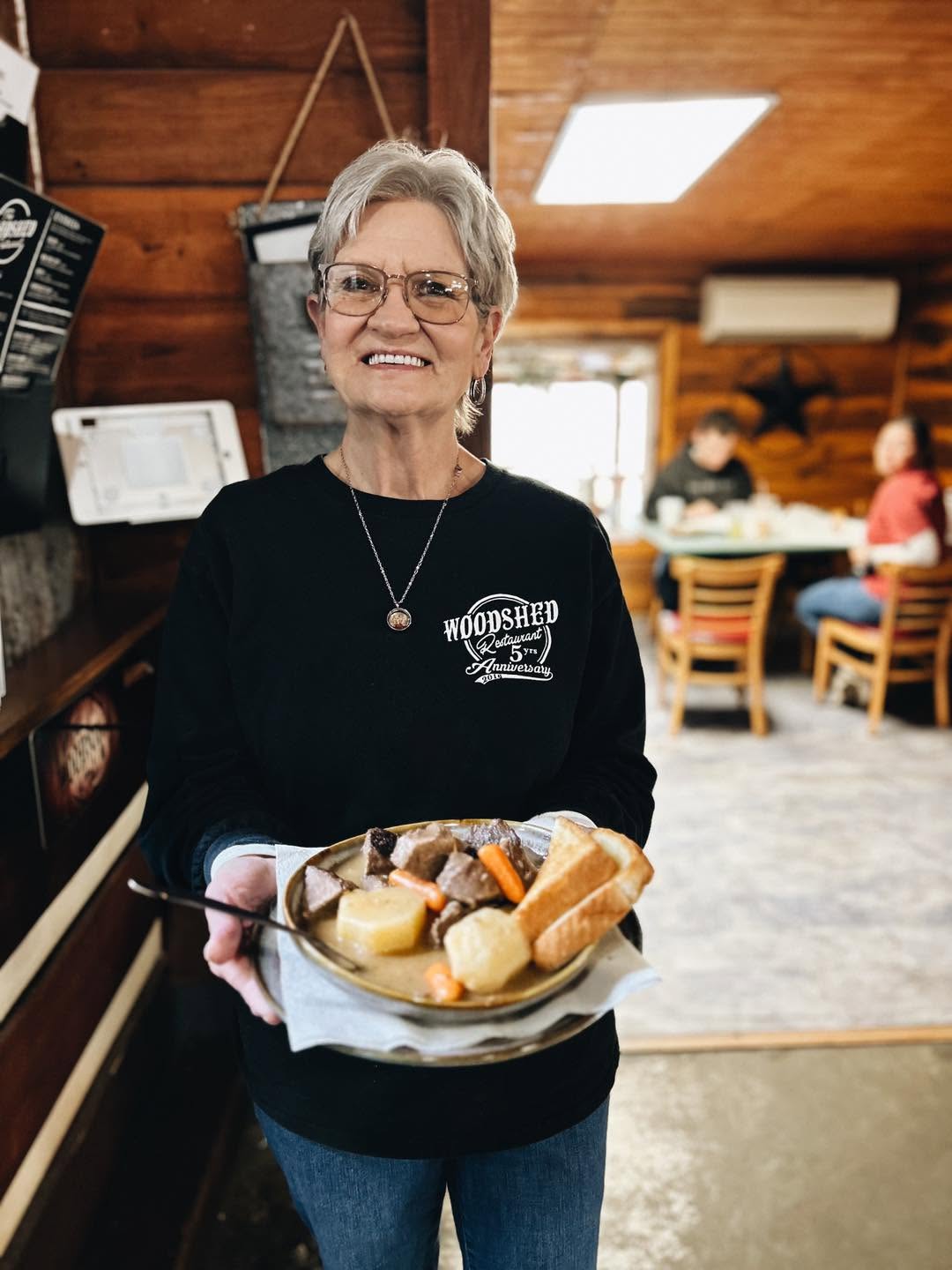
A friendly Woodshed team member ready to serve guests