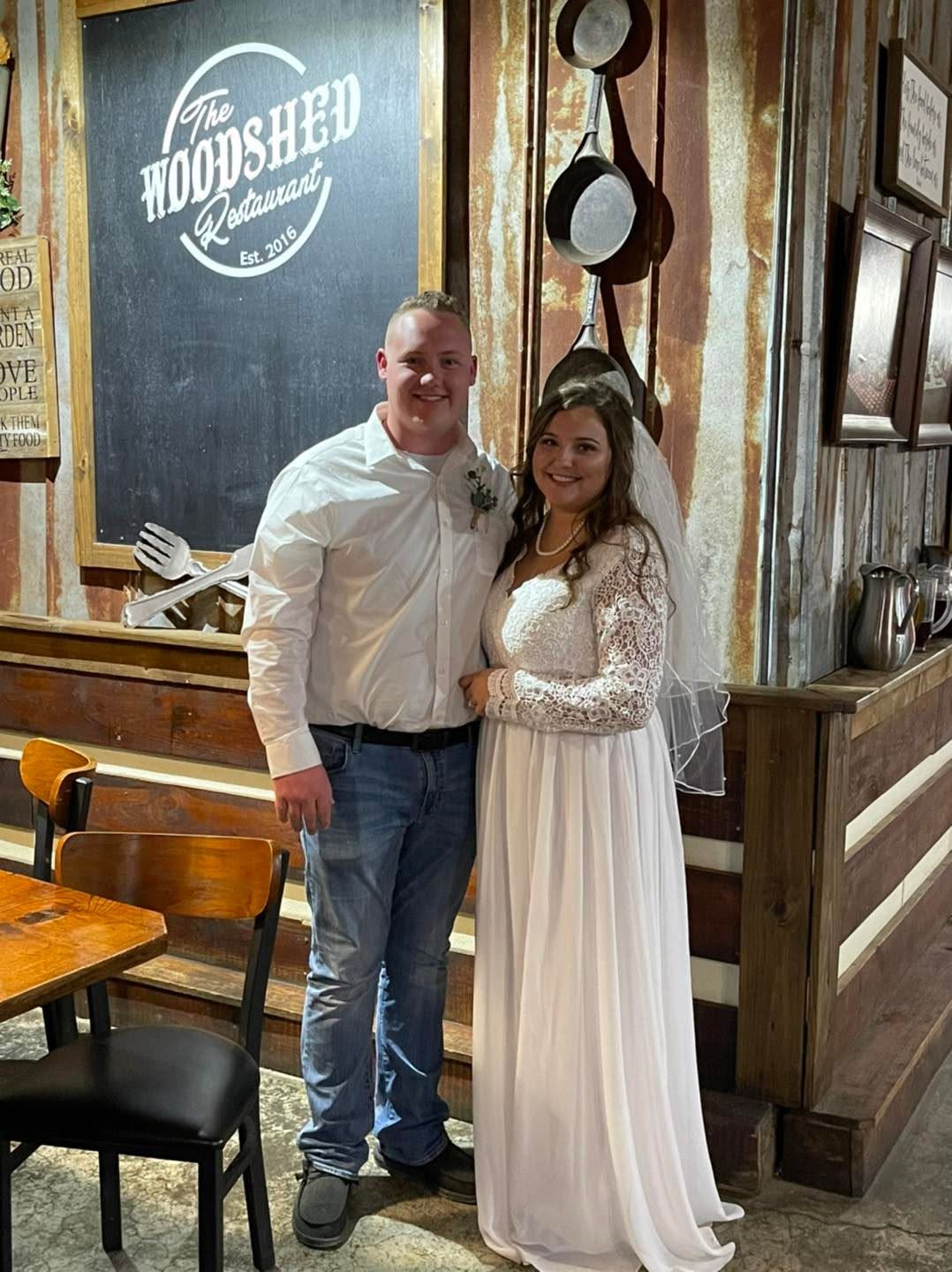
For weddings, celebrations, and company gatherings

Mistakes to Avoid When You Ask for Event Planning Help

Asking for Event Booking & Planning Assistance should make your gathering easier, not more stressful. Yet many hosts still end up with last‑minute scrambles, confusing quotes, and mismatched expectations. This page unpacks the most common mistakes people make when they reach out for help with booking and planning—and shows you how to avoid them so your food, timing, and responsibilities are clear from the start.

Main website image
The short answer

What matters most

The biggest mistakes people make when choosing event booking and planning assistance are all about clarity and timing. Many wait too long to contact a provider, then find their preferred dates or services unavailable. Others compare incomplete proposals, judging only the total price instead of confirming that guest count, menu, staffing, setup, cleanup, timing, and responsibilities match across each option. Another mistake is focusing only on cost instead of outcome—choosing the lowest number without checking what is actually included. Hosts also run into trouble when they leave roles and expectations vague, assume details will be understood, or move forward without a written plan that confirms scope, schedule, and how changes will be handled. Avoiding these errors gives you a more accurate quote, fewer surprises, and a smoother event day.

Reach out for Event Booking & Planning Assistance as soon as you have a serious date and guest range, instead of waiting for every detail to be perfect.
Do not treat a casual conversation or email as a confirmed plan; ask for a written outline or proposal before you count on anything.
Compare proposals line by line on guest count, menu, staffing, logistics, and responsibilities rather than focusing only on the total price.
Walk through your event step by step with your provider to clarify who is responsible for each task, from setup through cleanup.
In the Newport and Smokies area, factor in travel, venue access, and busy dates when you discuss timing, logistics, and availability with your planning partner.
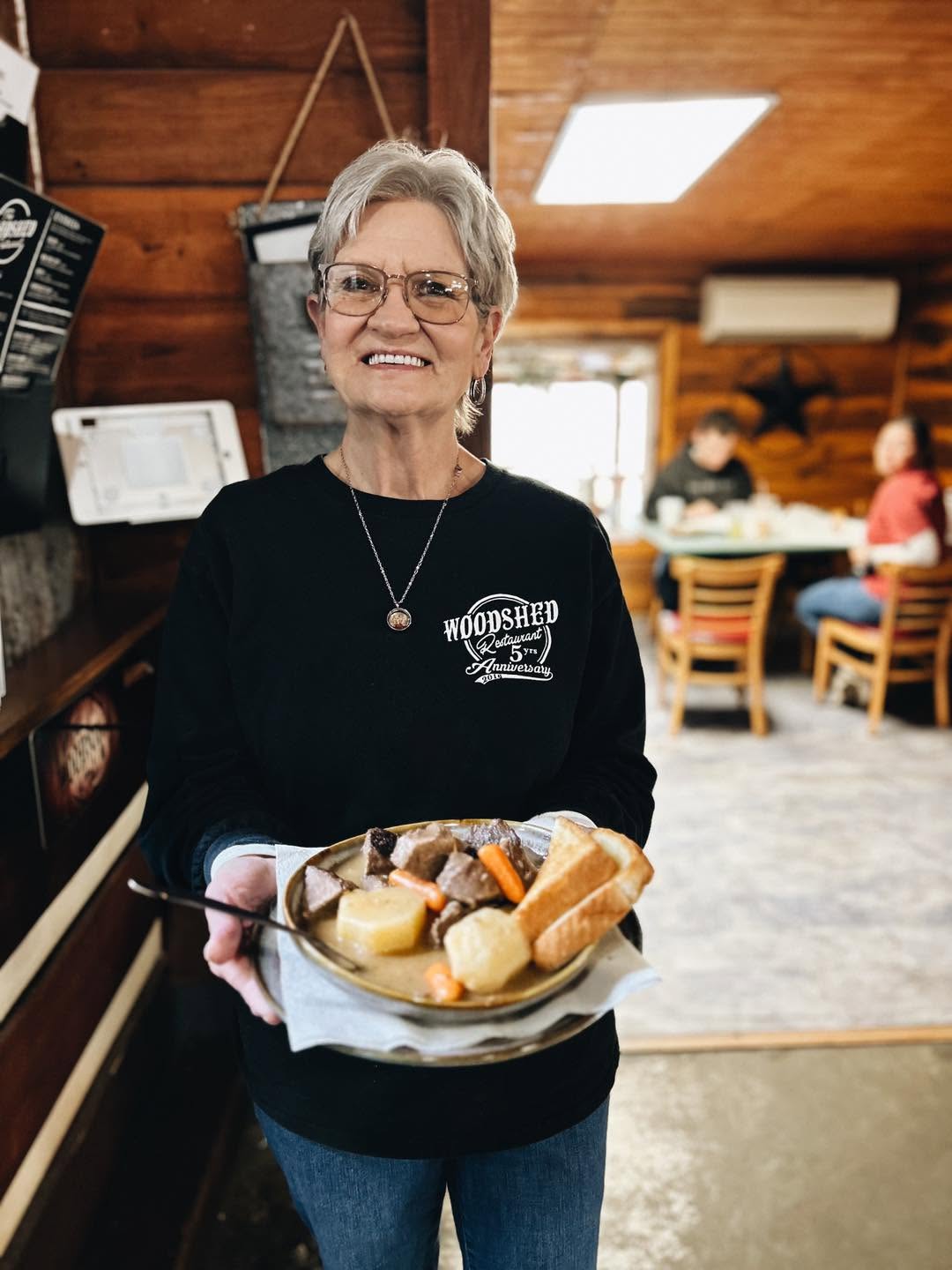
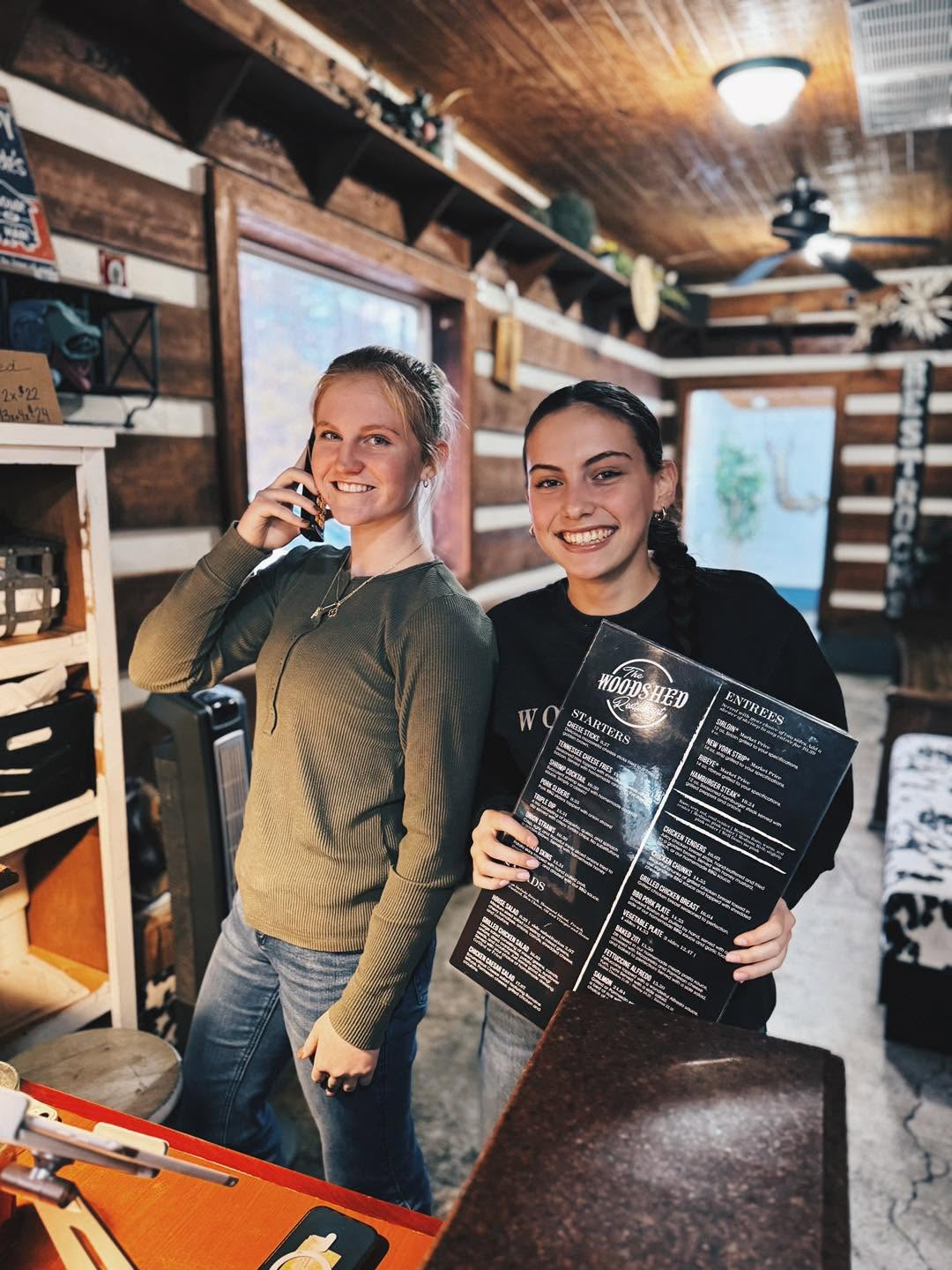
Woodshed staff members with a restaurant menu
A useful way to think about it

A Practical Guide to Avoiding Event Booking Mistakes

Most event headaches start long before the first guest arrives. They begin with fuzzy plans, rushed decisions, and assumptions that never make it onto paper. Use this guide to spot the common traps and replace them with clear, simple steps you can follow with any restaurant or catering team.

Mistake 1: Waiting Too Long to Ask for Help

Many hosts delay reaching out for Event Booking & Planning Assistance because they feel they should have every detail nailed down first. That delay can quietly close off options. As dates approach, restaurant and catering calendars fill up, and it becomes harder to find your preferred time, service style, or menu flexibility. A better approach is to start the conversation as soon as you are serious about your date, guest range, and general idea for the gathering. Share what you do know, be honest about what is still flexible, and ask how far ahead the team recommends booking for events like yours.

Mistake 2: Treating a Rough Idea Like a Final Plan

Another common problem is assuming that a casual chat or a short email chain equals a finished plan. You may discuss a sample menu, mention an approximate headcount, or talk through possible times, then mentally lock that in as a commitment even if the provider has not confirmed availability, pricing, or logistics. This can lead to last‑minute changes that feel like surprises. To avoid that, draw a clear line between brainstorming and booking. Ask your restaurant or catering team to flag which details are tentative and which are confirmed. Before you rely on anything, request a written outline or proposal that lists the agreed date, time, location, guest count assumptions, service style, and next steps. Until you have that in hand, treat everything as in discussion, not a done deal.

Mistake 3: Comparing Incomplete or Unequal Proposals

Hosts often collect a couple of estimates and glance mainly at the totals. If one number is lower, it can feel like the obvious choice, even if it is based on different assumptions. One proposal might include setup, staffing, and cleanup; another may only cover food drop‑off. One might quote a lower guest count or a simpler menu. Comparing those side by side without checking the underlying details almost guarantees surprises. A safer method is to line each proposal up on the same points: guest count, menu items and portions, service style, staffing, travel and setup, rentals if any, and cleanup. Where something is missing or unclear, ask the provider to clarify in writing before you try to judge value so you are choosing between complete plans, not rough guesses.

Decision guide

Turn Mistakes into a Clear Event Plan

Once you know the common pitfalls, you can use them as a checklist for stronger decisions. This section helps you translate things to avoid into specific questions, comparisons, and timing steps so you feel ready to move from research into a confident booking.

Deciding When to Move from Research to Booking

It is easy to get stuck in research mode, worried about committing too early or too late. A practical checkpoint helps. You are usually ready to move toward booking Event Booking & Planning Assistance once three pieces are in place: you have a target date and time you are serious about, a realistic guest range rather than a wide guess, and a general sense of whether you want in‑restaurant dining, off‑site catering, or both. At that point, reach out to your short‑listed provider and say clearly that you are exploring a booking. Ask what they need from you to check availability and prepare a more precise plan. This keeps you from waiting so long that dates disappear, or booking so early and vaguely that everything has to be rebuilt later.

How to Turn Vague Expectations into Clear Requests

Many mistakes start with fuzzy expectations that are hard to act on. Words like simple, nice, or plenty of food can mean different things to different people. Before you finalize an agreement, translate those feelings into concrete requests. Instead of saying casual meal, describe whether you want buffet, family‑style, or plated service. Instead of we want enough food, talk about your priorities: big portions, more variety, or room in the budget for a special entrée. Share any non‑negotiables such as dietary needs, timing constraints, or traditions you want honored. Then ask your event planning contact to restate those priorities in the written plan. If what you read does not match what you pictured, that is the moment to adjust.

Choosing a Planning Partner, Not Just a Menu

Many hosts pick a provider based only on the food they like, without paying attention to the planning relationship behind it. For weddings, milestone celebrations, and company gatherings, the person guiding your plans matters as much as the recipes. As you talk with potential providers, notice how they ask questions and explain next steps. Do they respond clearly and within a reasonable time? Do they help you think through logistics like arrival times and room layout? Ask how their Event Booking & Planning Assistance typically works from first contact through the event day. A provider who can describe that process plainly gives you a clearer picture of how planning with them may feel.

Mistake 4: Leaving Responsibilities and Logistics Unclear

On event day, problems rarely come from the menu; they come from unanswered questions like who is bringing the serving tables or who is cutting the cake. If you do not clarify responsibilities while planning, everyone may assume someone else has it covered. To prevent gaps, walk through your event step by step with your planning contact. For each stage—setup, service, transitions, and cleanup—ask who is responsible for what and what the provider needs from you or your venue to do their part. Confirm who will be in charge on site, how they can be reached, and what decisions they can make without you. Ask that these roles and any assumptions be included in your written plan or proposal so there is a shared reference if questions come up later.

Evidence and expectations

Why These Planning Mistakes Have Real Consequences

The way a team runs its restaurant and staffing, and the kind of feedback it earns, can give you clues about how carefully it handles plans. This section connects the mistake themes above to what is publicly shared about The Woodshed’s experience, reviews, and team culture so you can see how planning and people skills affect actual visits and events.

A Local Team with Longstanding Restaurant and Catering Experience

The Woodshed Restaurant & Catering has been serving East Tennessee since 2016, operating a sit‑down restaurant on Cosby Highway in Newport and providing catering for weddings, private events, and corporate or community gatherings across the surrounding Gatlinburg and Pigeon Forge area. That combination of in‑house dining and off‑site catering means the team is regularly planning and preparing food for both everyday meals and larger organized events, which is directly relevant when you are deciding who to involve in your own event booking and planning.

Guest Feedback that Highlights Helpful Staff and Food Quality

In a 5‑star Google review, an out‑of‑town guest described being guided up the hill to the restaurant when they were unsure where to go and ending up with a delicious, well‑seasoned meal and dessert they planned to return for on future visits. While this is a single review focused on dining rather than a full event, it does underline two themes that matter for Event Booking & Planning Assistance: staff who help you get where you need to be and food that meets expectations. When you review feedback for any potential provider, look not only at the star rating but also at whether guests mention clear guidance, helpful service, and experiences that matched what they hoped for.

A People‑Focused Team Culture

The Woodshed notes that many of its front‑of‑house team members are high school or college students and teachers, and that some former staff members have gone on to careers as nurses, radiography technicians, nurse practitioners, maintenance workers, utility workers, and teachers. They refer to their team as family and mention several couples and Woodshed grandbabies who first met while working together at the restaurant. For hosts who care about the people behind their event, this kind of long‑term, relationship‑based culture can be one more factor to consider alongside menus, pricing, and dates when choosing event booking and planning support.

The Woodshed team ready to help with catering
The Woodshed team serving generous catered meals
Local context · Newport, TN

How These Mistakes Play Out Around Newport and the Smokies

In and around Newport, Gatlinburg, Pigeon Forge, Sevierville, Cosby, and the surrounding mountain communities, event plans often include extra moving parts: guests driving in from different directions, cabins or rural venues, and schedules built around travel through the Smokies. Those realities make timing and clarity especially important. Waiting to request Event Booking & Planning Assistance until a busy weekend or holiday is close can limit your options for preferred dates or time windows. Relying on a rough phone estimate without confirming travel distance or setup logistics near your venue can lead to adjustments later. When you work with a Newport‑based team such as The Woodshed Restaurant & Catering, you can bring local specifics into the conversation. Ask directly how your location, date, and schedule might affect staffing, arrival times, and menu choices, and ask to have those logistics reflected in the written plan so the scenery is the only surprise your guests experience.

Questions worth asking

Common Questions About Event Booking & Planning Mistakes

As hosts work through their event details, the same practical questions about timing, information, and written plans come up again and again. These answers build on the mistake themes without simply repeating them, so you can move from worry to specific next steps.

Do I need a full vision for my event before I request planning help?

You do not need a polished, detailed vision before you ask for Event Booking & Planning Assistance. What helps most is having a few anchor points ready: your preferred date or date range, an estimated guest count or range, your general type of gathering such as wedding reception, birthday, or company lunch, and whether you are picturing off‑site catering, restaurant dining, or both. From there, a planning conversation can help you refine the menu, timing, and service style. Waiting until everything feels perfect before you reach out usually compresses the time available to secure your date and adjust details.

How detailed should my first online booking request be?

Your first online event booking request is meant to open a conversation, not finalize a contract. Aim for a clear outline rather than a full script. Include your contact information, the event type, your best estimate of date, time, and guest count, plus the location or general area and any key constraints you already know, such as limited kitchen facilities or a tight schedule between ceremony and reception. The more relevant detail you share up front, the more accurate and specific the follow‑up can be. If you are unsure about a field on the form, use any open text box to briefly explain your situation instead of leaving big questions unmentioned.

What if my guest count or plans might change after I book?

It is common for guest counts and small details to shift as your event approaches. The risk is not the change itself but failing to plan for how changes will be handled. Before you agree to anything, ask your provider what range of guest count they can accommodate without re‑pricing, what deadlines they have for final numbers, and how additions or reductions are billed. Clarify whether certain changes, such as moving to a different location or adding a course, could affect staffing, timing, or cost. Ask to have their answers and any thresholds or deadlines written into your agreement, then communicate updates promptly so the team can adjust without rushing.

How can I check whether a provider is organized enough for my event?

Organization shows up in small but telling ways. Notice how quickly and clearly the provider responds after you submit an inquiry. Do they acknowledge your request, outline next steps, and ask thoughtful follow‑up questions? When you ask something specific, do they answer that question directly or respond vaguely? You can also request a simple overview of their typical process for events like yours, from first contact through the day itself, and ask to see a sample proposal or agreement template. Providers who routinely manage events will usually have a clear structure they can describe, which helps you judge whether their approach fits what you need.

What should a written event plan or proposal always include?

A helpful event plan or proposal should give you enough detail that someone who was not part of the conversations could understand what is happening. At minimum, it should list the date, time window, and location; expected guest count or guest range; menu and service style; what the provider will bring and set up; what you or your venue are responsible for; and a schedule that covers arrival, service, and wrap‑up. It should explain how the price was calculated, what is included, and what would count as an extra. It should also describe how changes and communication will work between booking and the event day. If any of those pieces are missing, ask for them to be added before you consider it a final plan.
Your next step

Ready to Talk Through Your Event Plans?

If you are planning a wedding, private celebration, or company gathering in Newport or the surrounding Smokies area, you do not have to guess your way through the details. The Woodshed Restaurant & Catering offers Event Booking & Planning Assistance that begins with a simple online request and a follow‑up from the Newport team. You can use that follow‑up to talk through your goals, timing, and logistics, ask the focused questions from this guide, and confirm scope and responsibilities in writing. To start, use the online event booking form to share the basics of your gathering, then build out the plan step by step as the team responds.

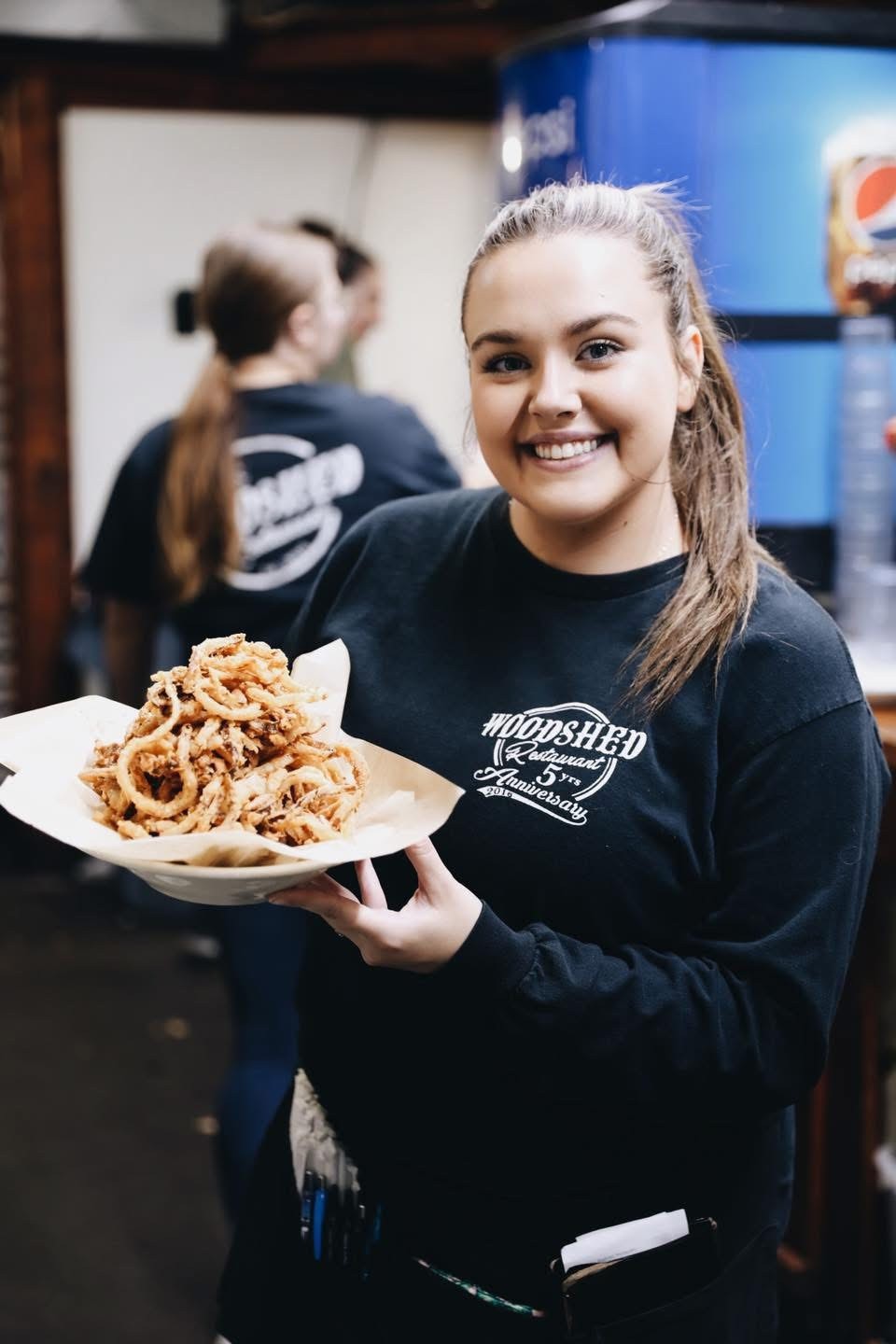
Woodshed server carrying two meals